14 Things You Were Taught in Home Ec Class That People Don’t Learn Now
Before coding classes and smartboards, schools offered something a little messier but just as valuable: home economics. These lessons had students hemming, budgeting, scrubbing, and planning like mini adults. Now that most schools have ditched those hands-on sessions, a surprising number of everyday basics are falling through the cracks.
Here are lessons schools rarely cover today, but once considered essential.
Baking with Precision and Technique
Credit: Getty Images
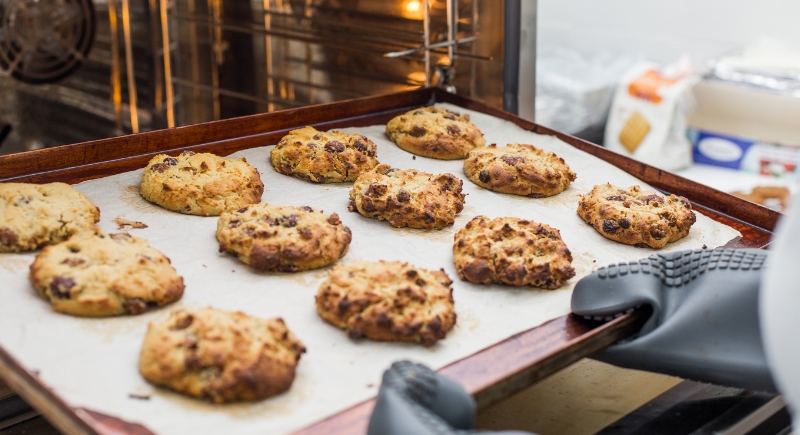
Students learned to mix ingredients, measure accurately, roll dough evenly, drop cookies consistently, and decorate with piping bags. These hands-on lessons built confidence and showed how small details affect results.
Sewing Buttons and Fixing Seams

Credit: Canva
If a button popped off, no one panicked. You just grabbed a needle and fixed it in under five minutes, because you’d practiced that dozens of times. Stitching up a ripped seam was the same deal.
Creating Garments from Commercial Patterns
Credit: Getty Images
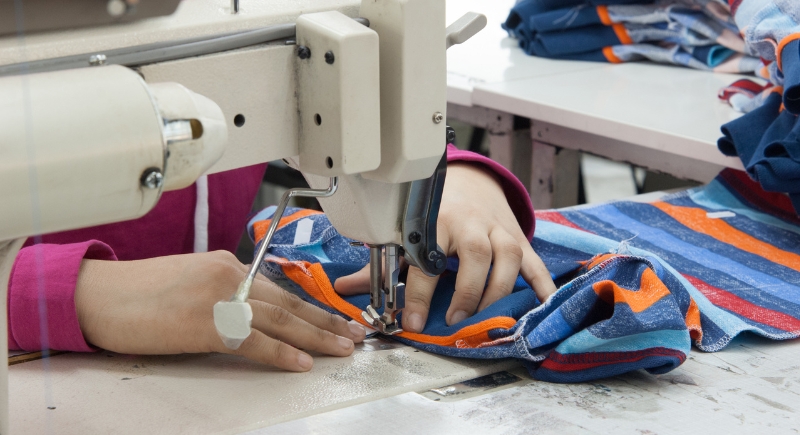
Commercial sewing patterns once came with maps, not vibes. Home ec students were taught to interpret the lines, cut fabric accordingly, and pin pieces together without ending up in a knotted mess. Apart from clothes, it built spatial awareness, problem solving, and maybe even the patience to not scream at interfacing.
Planning Meals for Nutrition and Budget
Credit: Canva
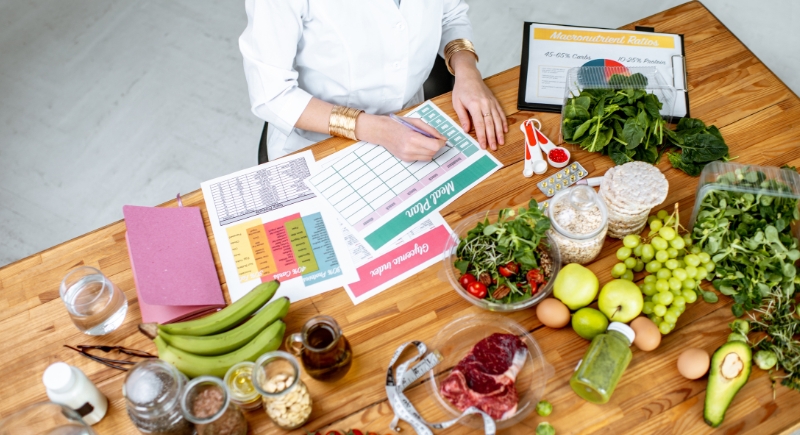
Students designed weekly menus that balanced cost, nutrition, and preparation time. This planning created foresight and resourcefulness. Most schools no longer teach this, and many people learn through costly trial and error in adulthood.
Budgeting with Mock Paychecks and Expenses

Credit: Canva
Practice ledgers showed how money moved in and out, which offered a tangible sense of managing finances. Students learned restraint before facing real bills. Many now encounter budgeting only after running into avoidable debt or overdrafts.
Understanding Credit and Savings Early On

Credit: Canva
Interest rates, loan terms, and savings strategies weren’t left for adulthood. Students learned how borrowing money could cost them and how saving early could help. These straightforward breakdowns left teens knowing that a credit card isn’t free money and that interest isn’t a friendly bonus.
Setting a Proper Dinner Table
Credit: Getty Images
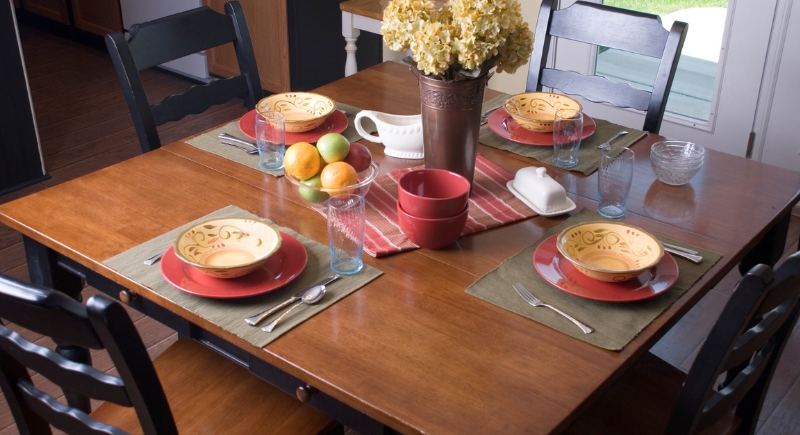
Forks on the left, glasses above the knives, and napkins placed properly–home ec taught students how to set a dinner table like they’d actually be hosting someone important. It taught etiquette and attention to detail with a sense of order.
Washing Laundry by Fabric Type
Credit: pixelshot
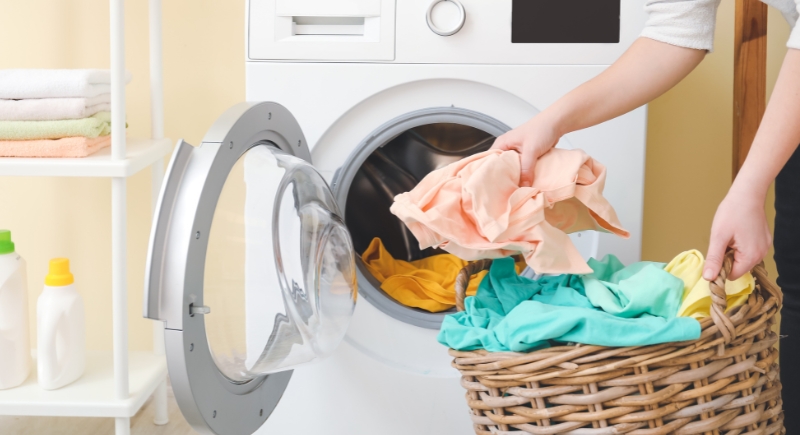
Sorting by color and fabric type was taught as a routine that prevented shrinkage and dye transfer. Students learned to use washers and dryers confidently. Without that foundation, many approach laundry with frequent mishaps.
Cleaning Household Surfaces Correctly
Credit: Canva
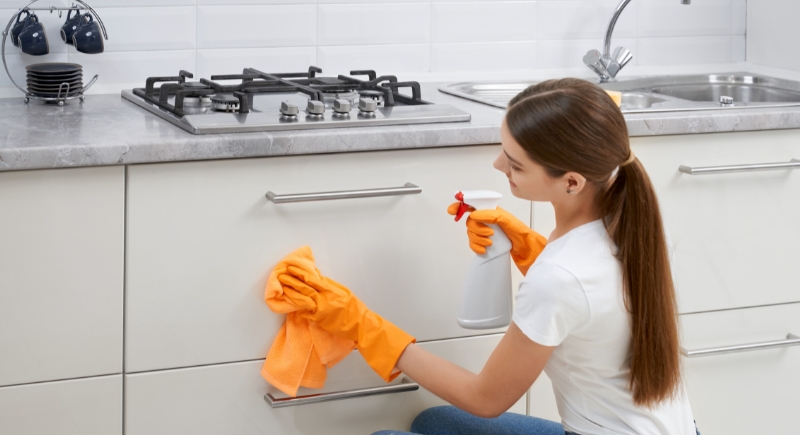
Different surfaces called for different cleaners, and home ec didn’t gloss over that. Students learned what to use on tile versus granite and why disinfecting was more than a lemony scent. Wiping down a kitchen correctly helped form habits that kept dorms and apartments from becoming science experiments.
Practicing Food Safety and Hygiene
Credit: Getty Images
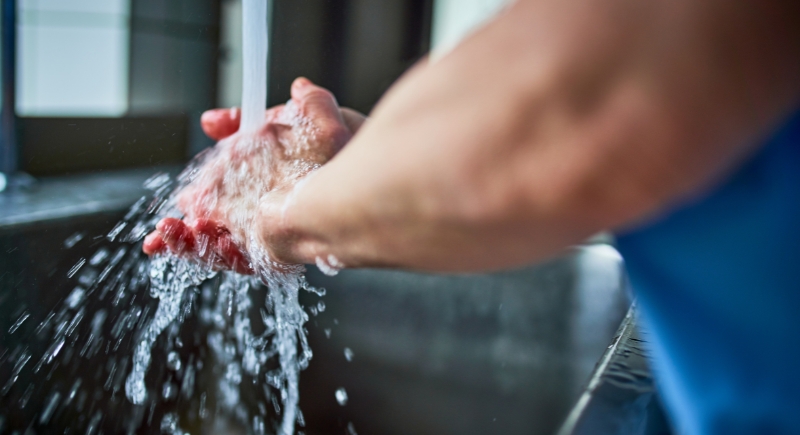
Handwashing before cooking and separating raw and cooked items was stressed daily. Students built habits that protected their health in the long term. With less emphasis now, some miss these simple safeguards and risk contamination without realizing it.
Learning Basic Home Repairs
Credit: Getty Images
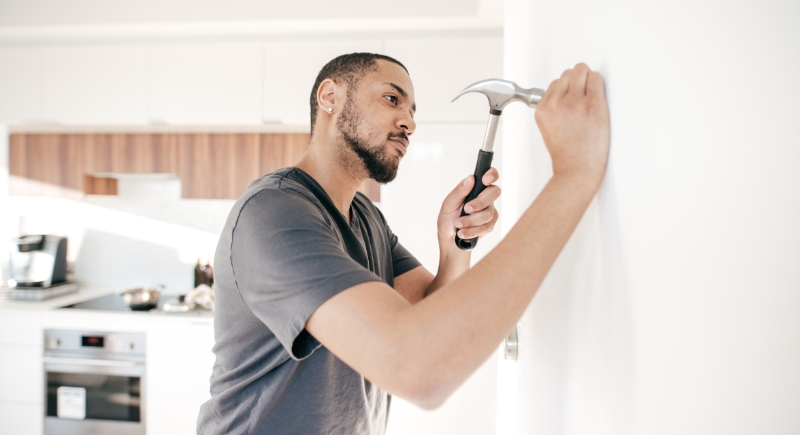
You might not expect wiring a lamp socket or patching drywall to appear in a home ec class, but they did. While these weren’t detailed handyman lessons, they gave students the confidence to tinker with small home repairs.
Child Development Basics

Credit: pexels
Basic child care used to be part of the curriculum. Holding an infant safely, mixing formula, and recognizing milestones gave teens an early sense of what caring for another human involved. No, it didn’t make them ready for parenthood, but it did teach empathy and responsibility.
Time Management in Household Tasks
Credit: Peopleimages.com
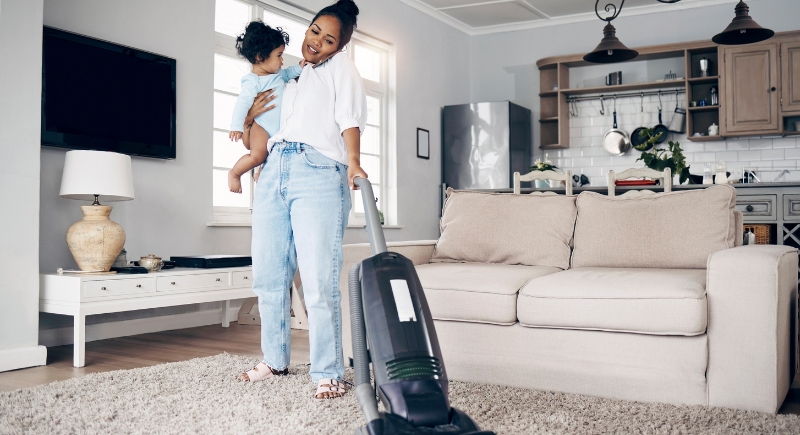
Classes often required students to juggle cooking, cleaning, and sewing projects within a set class period. Students had to plan steps in the right order or risk burnt muffins and half-sewn hems. It was time management in disguise.
Organizing a Weekly Shopping List

Credit: Getty Images
Students learned to create shopping lists based on planned meals. This taught them how to stretch money without sacrificing nutrition. You can’t simply write eggs and move forward. You needed to know how many, why, and which store had them cheapest. Grocery runs became a practice in smart decision-making.
Basic First Aid for the Home
Credit: Canva
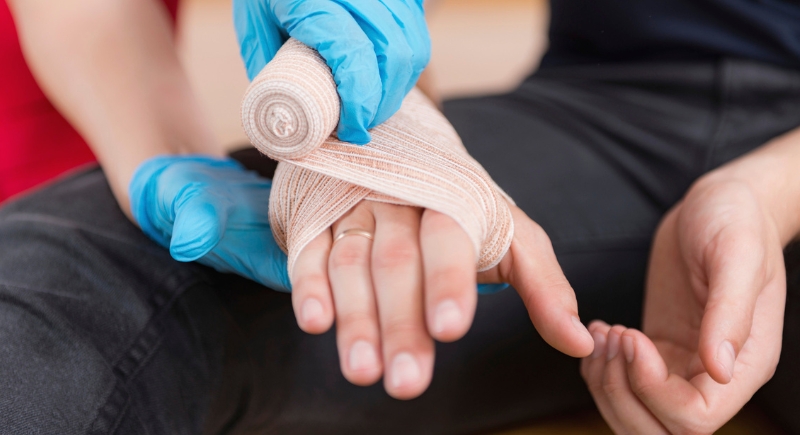
Many programs included simple first aid skills, such as treating minor burns, bandaging cuts, and knowing when to seek help. These were everyday safety measures, but schools rarely incorporate them into classes now.