Stores That People Under 40 Have Totally Ditched
Shopping habits are constantly evolving, and not every retailer has been able to keep up. Some stores that were once household names are now struggling to stay relevant to younger generations. From outdated strategies to poor online presence, here’s why these brands are losing younger shoppers.
Sears
Credit: flickr
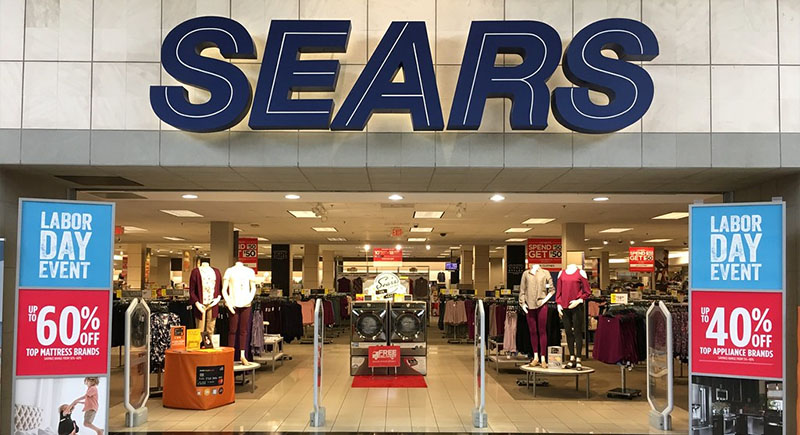
Once a retail giant, Sears relied heavily on its catalog and mall-based stores. As online shopping grew, it failed to develop a competitive digital presence. Its appliance section, once a major draw, lost customers to brands like Lowe’s and Home Depot.
Kmart
Credit: flickr
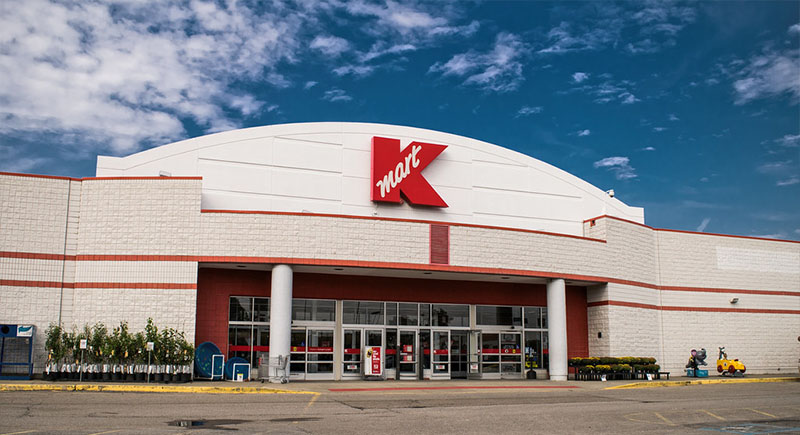
Empty shelves, dim lighting, and an overall lack of excitement define the typical Kmart experience today. Younger shoppers want convenience and inspiration, something Kmart hasn’t offered in years. Target, with its trendy products and clean layout, easily wins this crowd over.
JCPenney
Credit: flickr
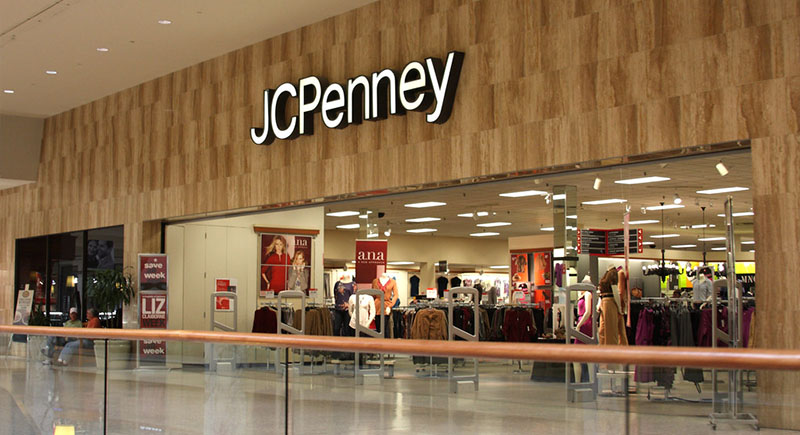
Younger customers often describe JCPenney as a place that doesn’t know who it’s for anymore. The online store, while functional, also lacks the seamless experience of other platforms. Failed attempts at rebranding have only added to the confusion about its identity.
RadioShack
Credit: Wikimedia Commons
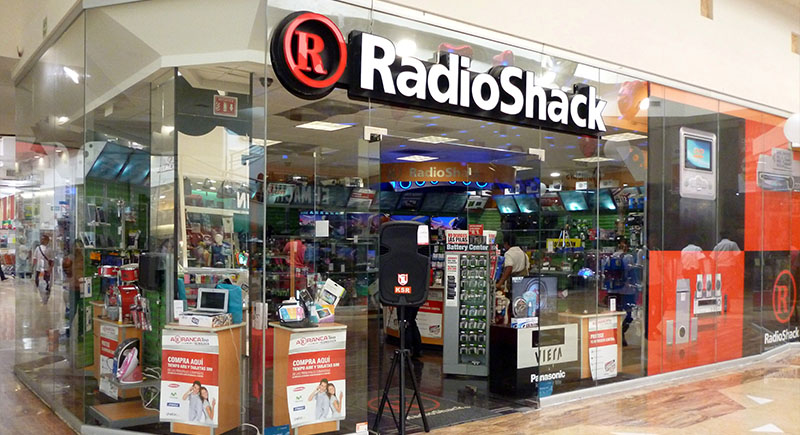
At one time, RadioShack was a haven for tech enthusiasts looking for cables, connectors, and components. However, with Amazon and online electronics retailers now offering these items faster and cheaper, RadioShack’s brick-and-mortar stores have become irrelevant.
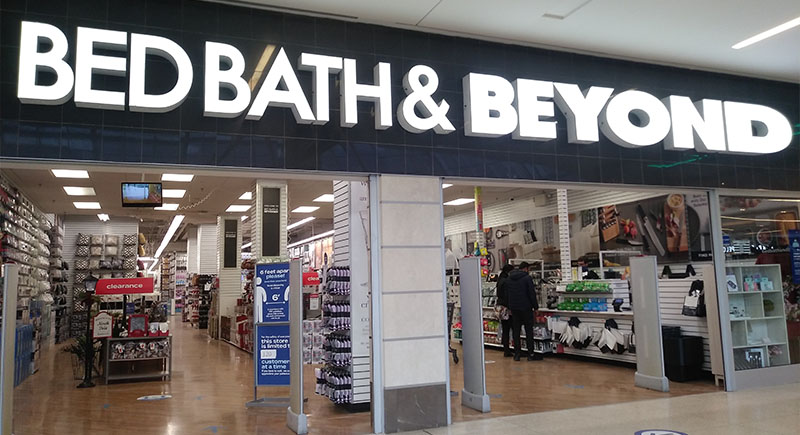
Bed Bath & Beyond
Credit: Wikimedia Commons
Towering shelves crammed with products make Bed Bath & Beyond stores hard to navigate. The reliance on physical coupons, which once attracted deal-seekers, now seems impractical in the digital age.
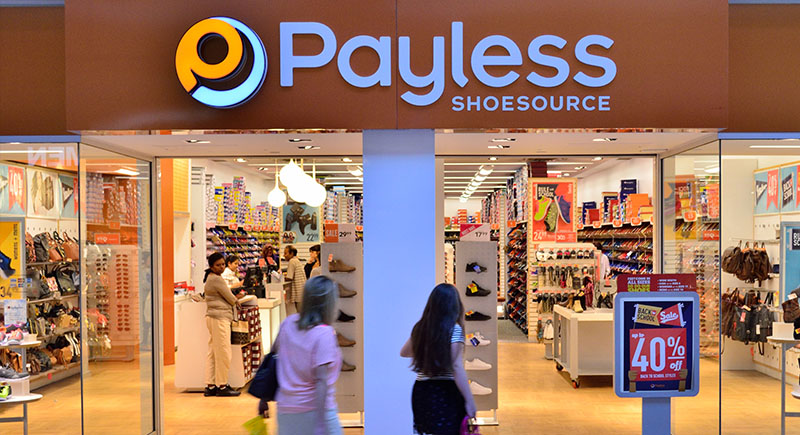
Payless
Credit: Wikimedia Commons
While Payless was known for affordable shoes, its designs often lack a modern edge. Competitors like H&M and even thrift stores are offering more fashionable options. The rise of direct-to-consumer brands like Allbirds has made Payless feel outdated and unappealing.
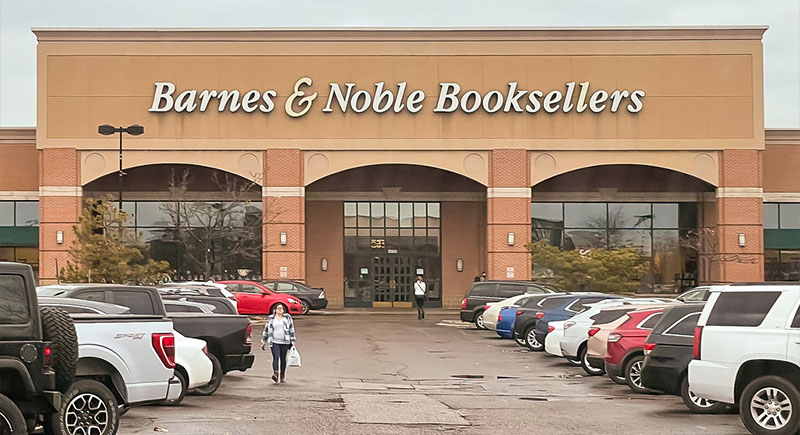
Barnes & Noble
Credit: flickr
Reading is still pretty popular, but physical bookstores have a tough time competing with e-books and audiobooks. Plus, Barnes & Noble failed to reinvent itself. Local independent bookstores, with unique community events, are gaining more favor in comparison.
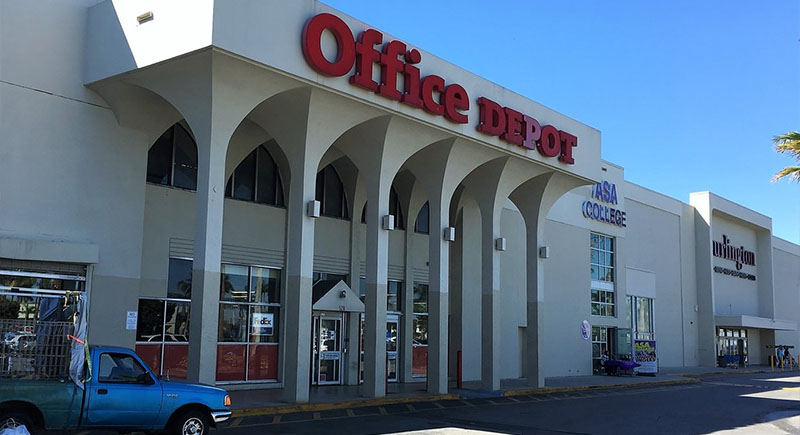
Office Depot
Credit: flickr
Remote work and digital tools have made Office Depot less essential. Most younger workers only need occasional supplies, and they buy those online. The days of buying bulk reams of paper and printer ink are mostly over, leaving stores like Office Depot struggling to adapt.
Toys “R” Us
Credit: Wikimedia Commons
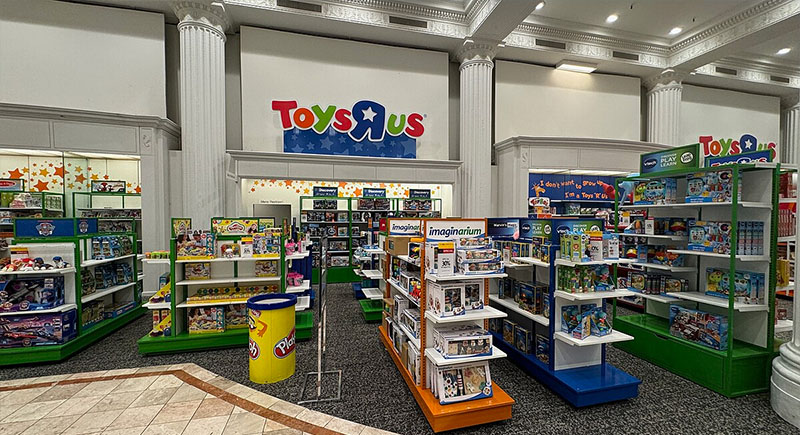
Despite its nostalgic appeal, more and more parents tend to buy toys online or during routine grocery shopping at stores like Walmart instead of making a separate trip. Toys “R” Us failed to adjust to this shift and stuck to its standalone store model.
Abercrombie & Fitch
Credit: flickr
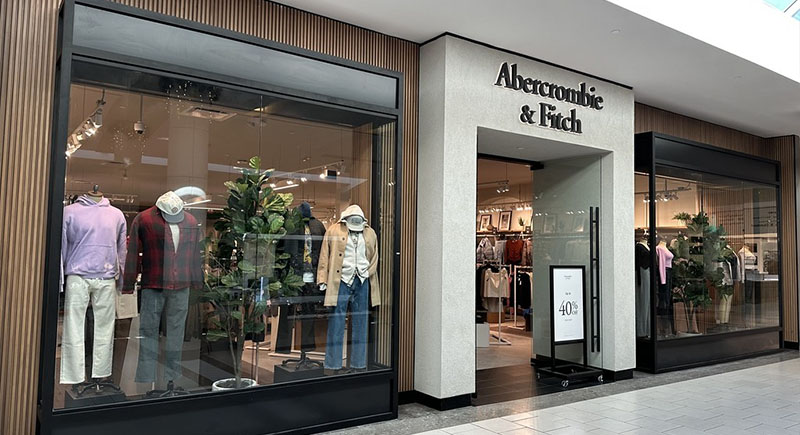
At its peak, Abercrombie & Fitch was known for its exclusivity and its preppy aesthetic. However, its marketing campaigns often alienated shoppers by promoting unrealistic beauty standards. Despite attempting to redeem itself with its latest inclusive campaign, the store hasn’t been able to achieve its past reputation.
GameStop
Credit: Wikimedia Commons
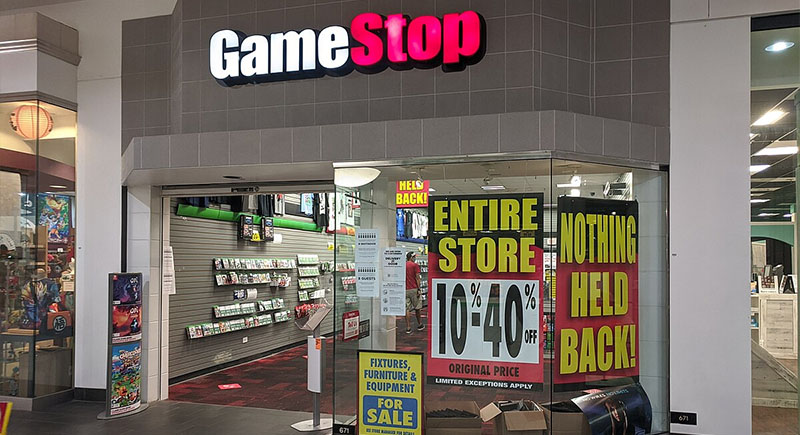
The gaming industry has shifted toward digital downloads, leaving GameStop’s reliance on physical game sales behind. Platforms like Steam, PlayStation Network, and Xbox Store allow gamers to instantly buy and play new releases.
Victoria’s Secret
Credit: flickr
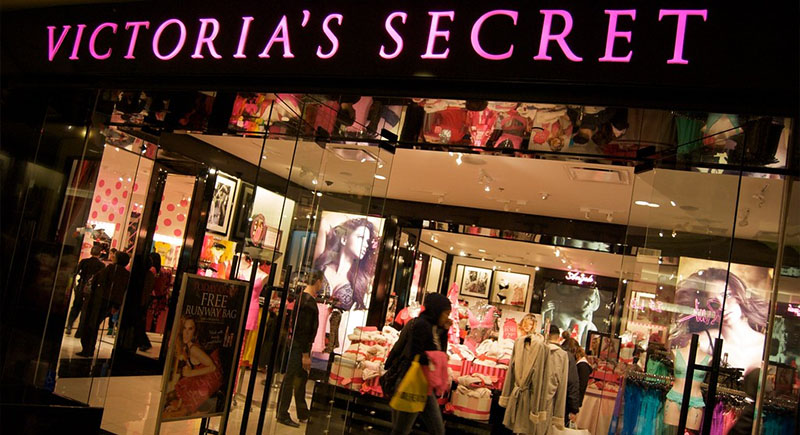
For years, Victoria’s Secret was the top lingerie brand, but its outdated runway-focused image has turned off younger shoppers. Millennials and Gen Z prefer inclusive brands, which offer comfort and body positivity. Victoria’s Secret’s failure to change hurt its reputation.
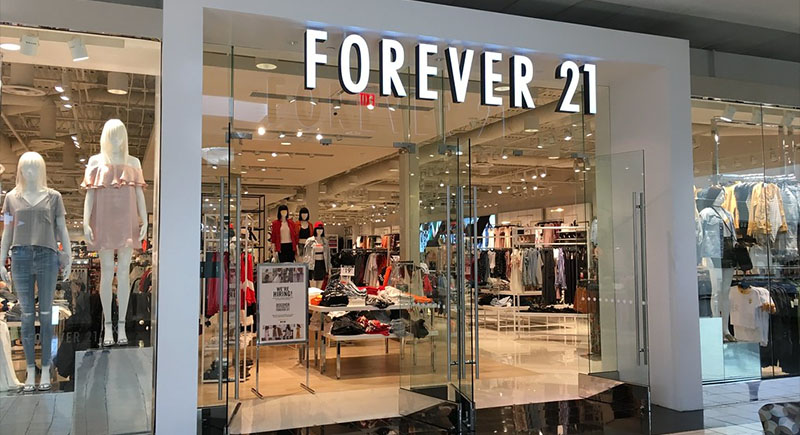
Forever 21
Credit: flickr
Forever 21 became a fast-fashion icon, but Gen Z shoppers started questioning its impact on the environment. Cheap clothes that wear out quickly no longer appeal to a group of people that value sustainability.
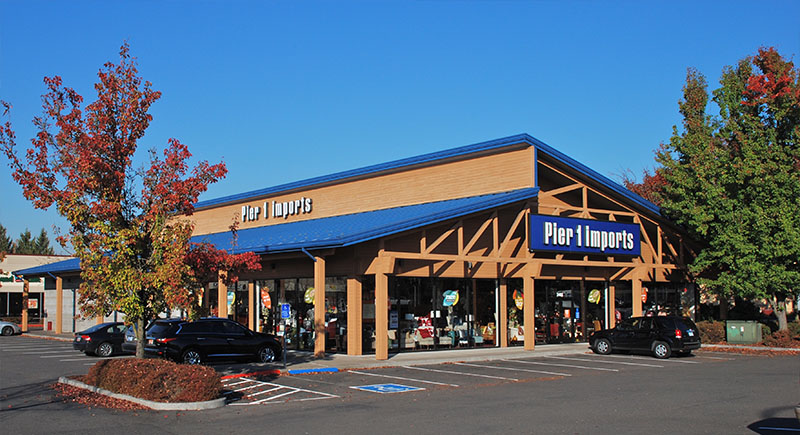
Pier 1 Imports
Credit: Wikimedia Commons
Home décor doesn’t have to break the bank, but Pier 1 Imports didn’t seem to get that memo. Brands like IKEA and Target have taken over the market for stylish but affordable home goods. Pier 1 also lacked the online presence needed to attract digitally savvy buyers.
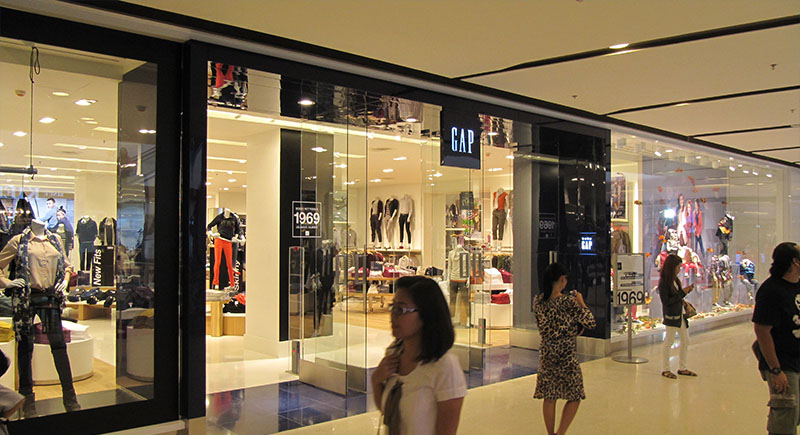
The Gap
Credit: Wikimedia Commons
Gap once dominated the market with its classic, casual clothing, but younger shoppers are looking for more variety and bold styles, without Gap’s high price tag. In fact, these days, it’s hard to make sense of buying high-priced casual clothing.