15 Iconic Stores That Closed Their Doors for Good
Some stores felt like they’d be around forever until they weren’t, either due to changing trends, online competition, or financial missteps. These once-thriving retailers are now part of shopping history. If you ever browsed their aisles, this list might hit a nostalgic nerve.
Toys “R” Us
Credit: Wikimedia Commons
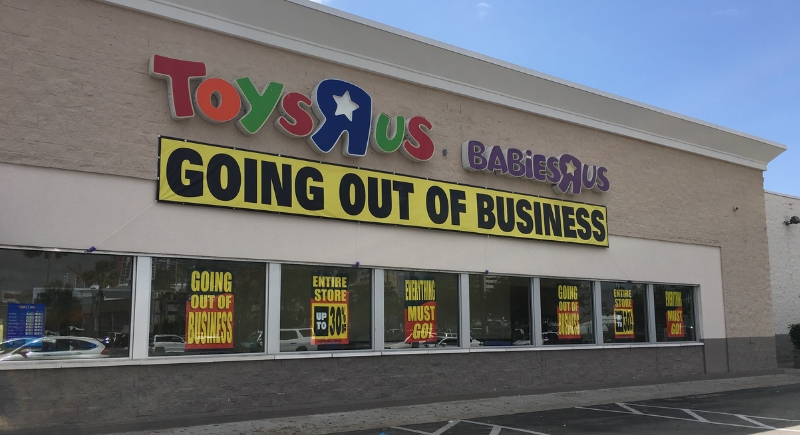
Behind the birthday balloons and video game shelves, Toys R Us was sinking under billions in leveraged buyout debt. The company filed for bankruptcy in 2017, burdened by over $5 billion in debt tied mainly to a 2005 leveraged buyout by Bain Capital, KKR, and Vornado Realty. Attempts to revive the brand through pop-ups and airport locations followed, but did not return the company to its former scale.
Blockbuster
Credit: Wikimedia Commons
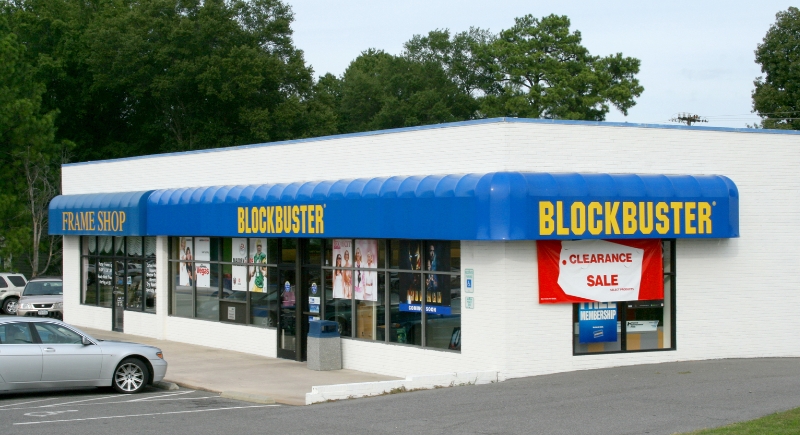
They had the catalog. They had the name. What they didn’t have was foresight. When Netflix offered DVDs by mail and then by stream, Blockbuster executives laughed and even declined a $50 million buyout offer. That decision aged like spoiled popcorn. By the time Blockbuster blinked, movie night had already moved online without them.
Borders
Credit: Wikimedia Commons
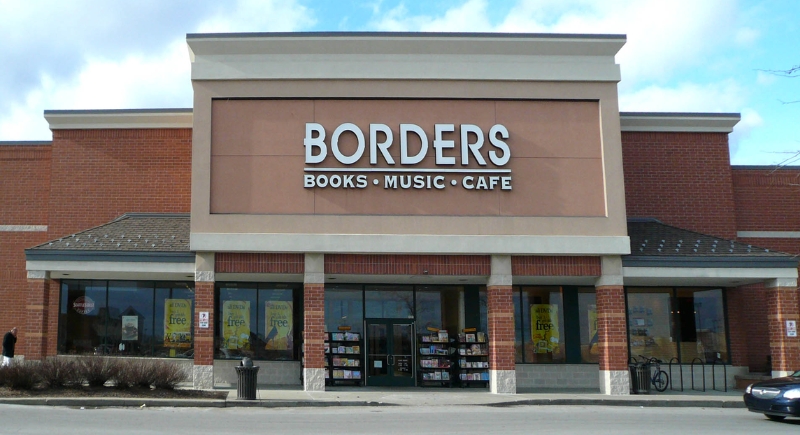
Borders gave book lovers a cozy spot to linger with lattes and literary ambition. However, as Amazon made online shopping a lifestyle and e-readers took off, Borders doubled down on CDs and DVDs, trying to be everything but what it did best. Their late entry into e-commerce—outsourced, no less—meant they were watching the digital revolution from the sidelines with the wrong merchandise.
FAO Schwarz
Credit: flickr
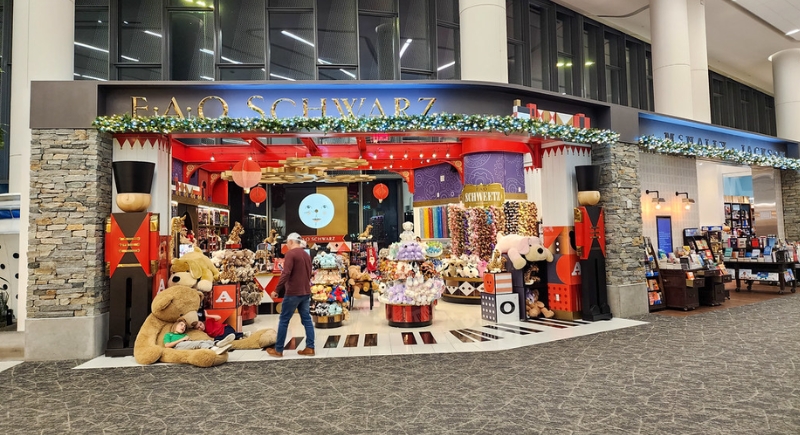
Big-box stores and online competitors undercut this store while their rent climbed. Their flagship magic faded when the doors closed in 2015. FAO Schwarz wasn’t a toy store more than it was a theatre. But the fantasy world couldn’t survive the real estate reality of Fifth Avenue.
The Limited
Credit: Wikimedia Commons
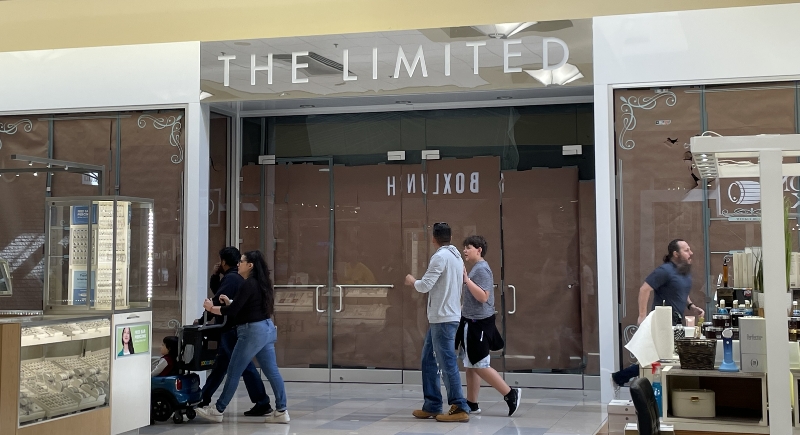
Walk into any mall in the 1990s, and you couldn’t miss The Limited. They were polished, professional, effortlessly trendy. Even as fast fashion began pumping out weekly collections at half the price, The Limited stuck to its traditional retail cycles. Trendy shoppers moved on, and clearance racks piled up. Attempts to digitize the brand came too late, and by 2017, all 250 stores had exited the scene.
RadioShack
Credit: flickr
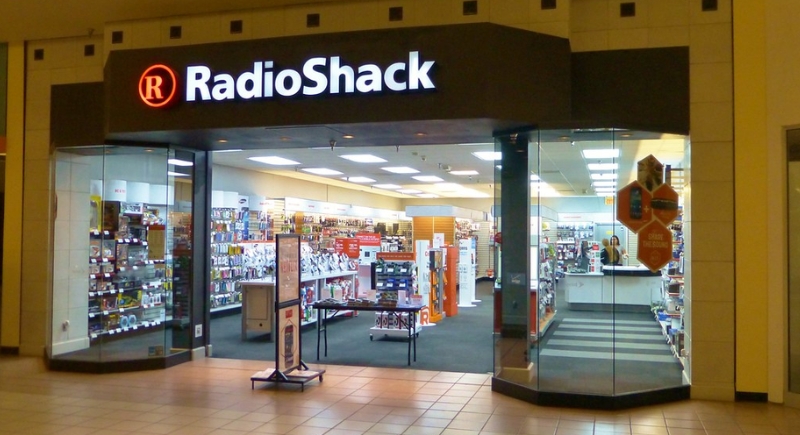
RadioShack was a haven for the DIY tech crowd. After multiple bankruptcies and awkward attempts at rebranding, the chain fizzled out like a fried circuit board. Technology became sleeker and more disposable, so customers stopped building and started buying pre-assembled everything. Fewer people needed a resistor or an oddly specific battery.
Pier 1 Imports
Credit: Wikimedia Commons
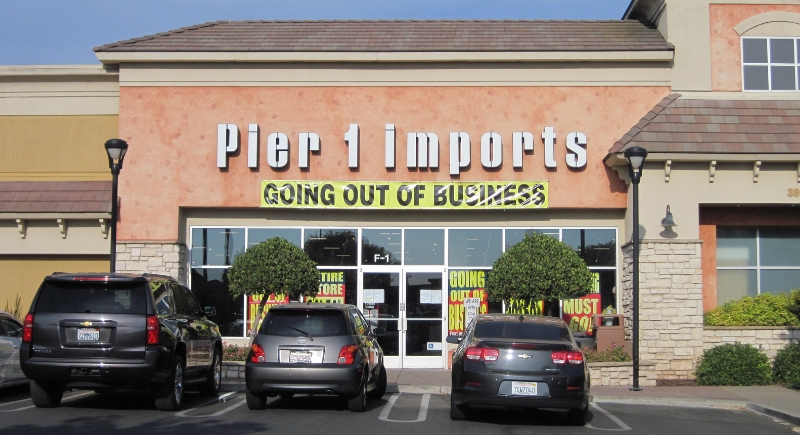
Unfortunately, Pier 1 didn’t get the memo that shoppers had long swapped incense sticks for Pinterest boards. For decades, the store brought “global style” to American living rooms with carved tables and beaded cushions. But when home decor went digital and minimalist, their exotic charm became harder to place. Add pandemic disruptions to already falling sales, and the doors shut for good in 2020.
Sports Authority
Credit: Wikimedia Commons
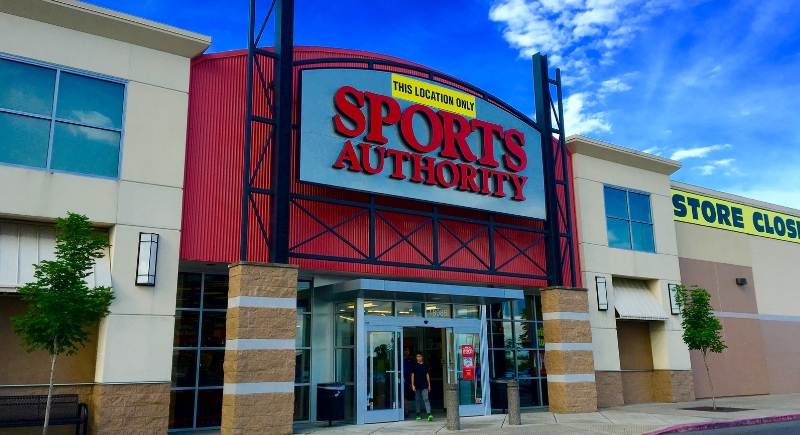
Even with its massive footprint and name recognition, Sports Authority couldn’t keep pace with rising competition. In 2016, the whistle blew for the final time, and every location closed, even as the need for cleats and yoga mats kept increasing. What they lacked was the niche appeal of specialty shops and the scale of online giants.
Delia’s

Credit: flickr
Dog-eared catalogs and glitter pens were all the rage in the late 1990s, which is why Delia’s was a hit fashion store. When Y2K passed, so did its momentum. It never evolved with its audience and failed to tap into the growing digital fashion trends and online shopping.
Linens ‘n Things
Credit: Wikimedia Commons
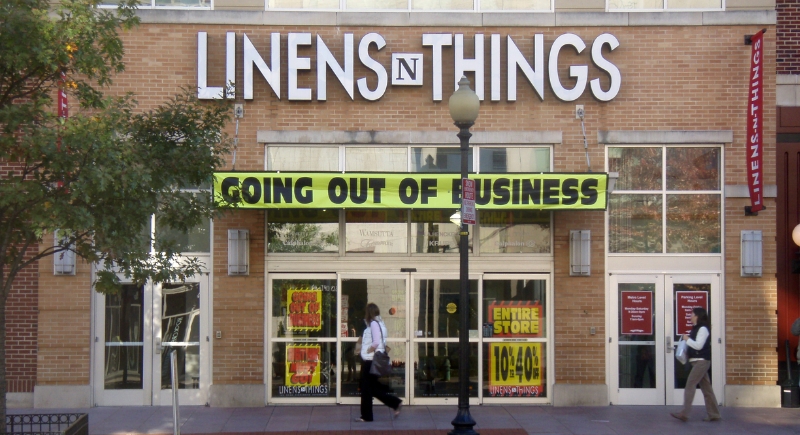
The financial collapse of 2008 hit Linens ‘n Things pretty hard. This was where you picked up your first adulting essentials like towels, cutlery, and dorm-safe appliances. But debt-laden operations couldn’t keep up with cutthroat big-box competition. Despite a brief online revival attempt, the last store shuttered the same year.
CompUSA
Credit: Wikimedia Commons
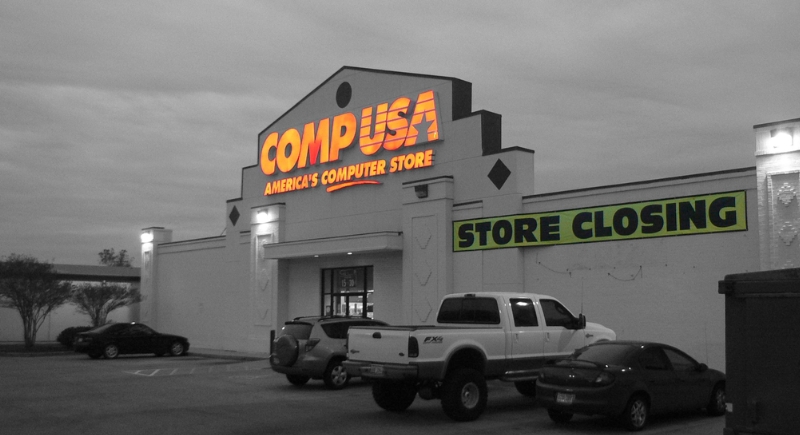
CompUSA was the nerd’s playground with its aisles of floppy disks and CRT monitors. The store’s inability to transition into a streamlined experience made it feel more like a warehouse, though. When the web made hardware easier to compare (and cheaper to buy), shoppers ghosted those endless rows of tangled cords. In 2008, the plug was finally pulled.
Payless ShoeSource
Credit: Wikimedia Commons
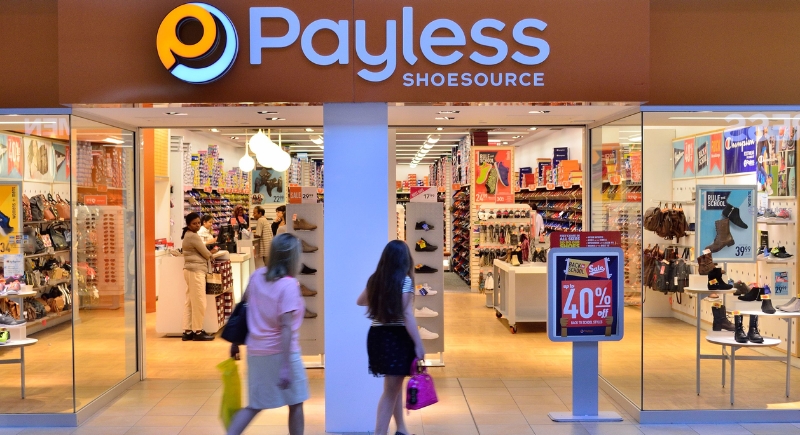
You probably would have visited Payless for a BOGO deal on back-to-school sneakers. And it did the job until online giants cut into margins and fashion-forward discount chains sprouted up. Payless found itself stuck in the middle. The problem was that their model didn’t adapt fast enough.
Henri Bendel
Credit: flickr
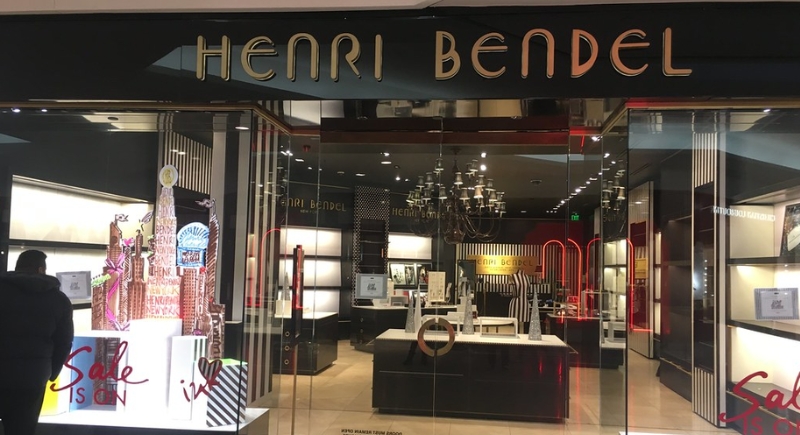
With its signature brown-and-white stripes and upscale exclusivity, Henri Bendel was where you went to feel luxe. However, the shift toward experiential shopping and global luxury conglomerates forced the brand to become more niche than necessary. Parent company L Brands closed the store in 2019 to chase broader profits.
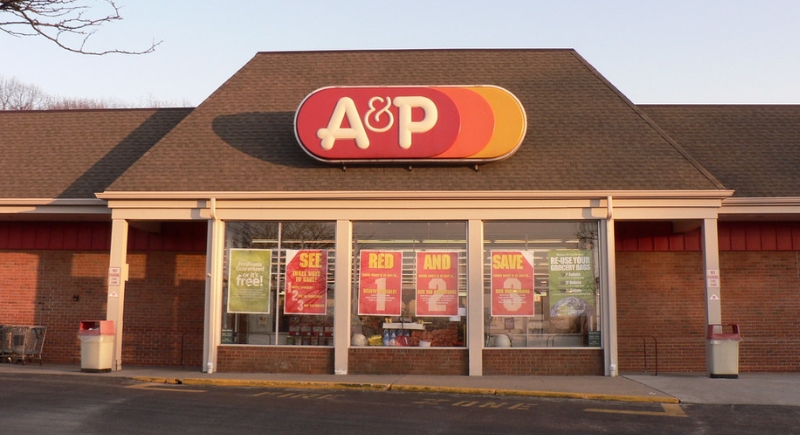
A&P
Credit: flickr
A&P was the biggest name in groceries. It built an empire on reliability and reach until its crown was slowly chipped away by sharper, leaner chains offering fresher layouts and cheaper prices. Despite multiple lifelines and reinventions, it couldn’t outrun modern expectations. In 2015, after more than 150 years, the last carts at A&P were parked for good.
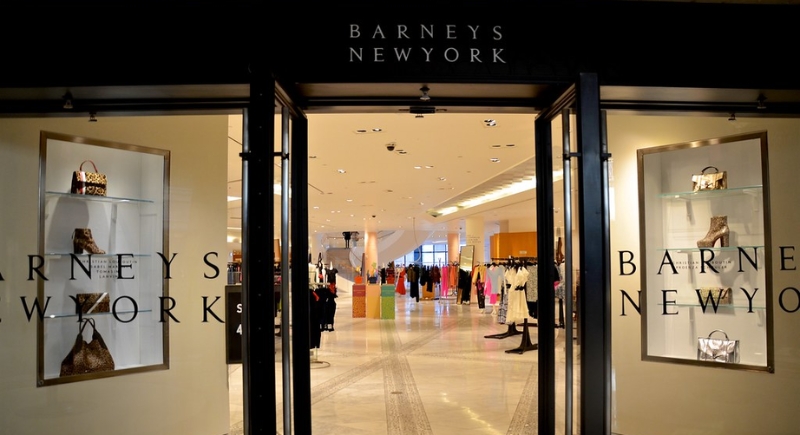
Barneys New York
Credit: flickr
Shopping at Barneys was your opportunity to make an entrance. There were editorial windows, in-the-know brands, and sky-high price tags. However, as luxury went digital and inclusive, bankruptcy ended the show in 2019.