Stop Saving the Good Dishes for a Special Occasion
Many people grow up with the idea that certain dishes are reserved for important events, such as holidays or visiting guests, while everyday meals are served on more practical plates. As a result, fine sets often remain stored in cabinets for long periods of time. The reason behind this is to protect the good things so they last. This idea, however, assumes that routine days are less worthy of care, which should not be the case.
The Myth of “Someday”
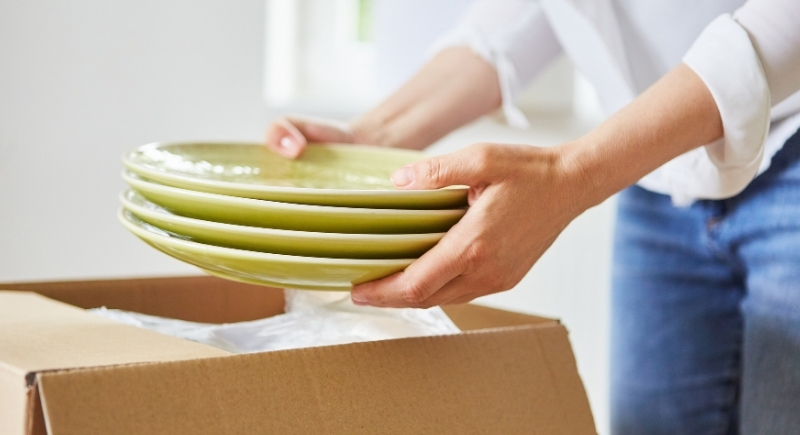
Image via Canva/Robert Kneschke
Saving certain dishes for a future occasion is a way of protecting the significance of the event.
The only problem is that the “right” moment often stays vague. People imagine using the good plates for a milestone dinner or formal celebration, but those events come around less often than expected.
At the same time, most meals happen on regular weeknights and relaxed weekends. Those everyday moments make up the bulk of life. When fine dishes are reserved only for rare gatherings, ordinary days are treated as less worthy, even though they are where most living actually happens.
The Fear of Damage
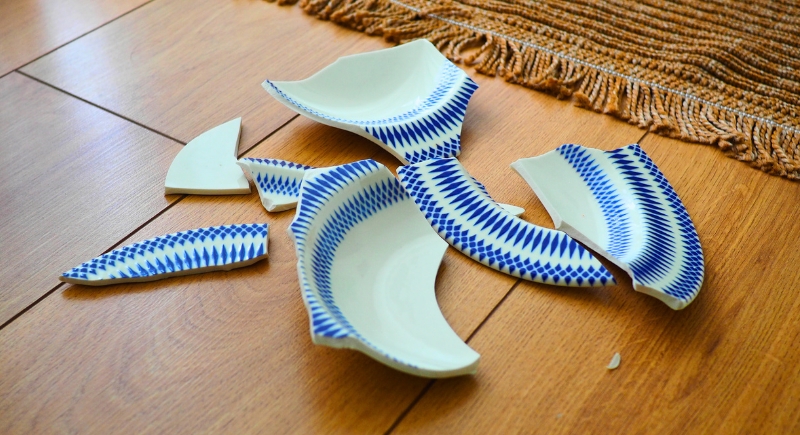
Image via Canva/towfiqu barbhuiya
Concern about breakage is another reason people hesitate to use delicate plates and glassware. Fine china can chip, and crystal can crack. Replacing a discontinued pattern may be difficult, especially if it holds sentimental value.
Even so, storage does not eliminate the risk. Items can be damaged during moves or accidents unrelated to regular use. A dish that eventually breaks after years of service has still fulfilled its purpose. By contrast, a dish that never leaves the cabinet remains intact but unused.
The goal of preserving something should not override the purpose it was created to serve.
The Habit of Preservation
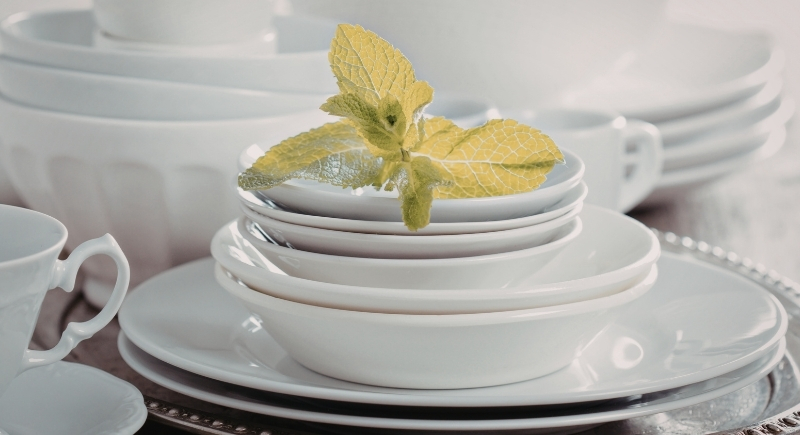
Image via Canva/ Alma Grigorita’s Images
Many families maintain a clear distinction between everyday tableware and “the good set.” Fine china is often associated with weddings or anniversaries. As such, it is handled with care.
Even so, using it more often does not reduce its meaning. In fact, incorporating it into regular meals can reinforce the values it represents. If a set commemorates a marriage, then sharing ordinary dinners on those plates reflects that partnership in a practical way. Marriage and family life are sustained through daily routines, not only during formal celebrations.
Regular shows that the item is valued enough to be part of real life rather than stored as a symbol.
Stop Waiting
There will always be another holiday or potential gathering in the future. Waiting for a moment that feels important enough can easily turn into postponement without a clear endpoint.
Ordinary days do not need to meet a special standard to justify care. The meal prepared on a weekday evening is not a rehearsal for something better; it is part of life as it is currently being lived. Everyday moments are meaningful on their own.