So, Sushi Wasn’t Invented in Japan?
When people think of sushi, Japan instantly comes to mind. The art of slicing raw fish, pairing it with rice, and presenting it with precision seems almost like a part of Japanese culture. The truth is more complicated. You may not know it, but sushi’s earliest form took shape in China and Southeast Asia, long before it became the refined dish seen in Tokyo restaurants.
Preserving Fish Along the Mekong

Image via Getty Images/PonAek
Life along the Mekong River, which winds through present-day Thailand, Cambodia, Laos, and Vietnam, depended heavily on fishing. Rice grew well there, too, but the heat and humidity made fresh fish spoil quickly.
To avoid waste, people began a simple but effective trick: clean the fish, cover it in salt, and pack it into rice. Over time, the rice fermented and produced acids that kept the fish edible for months. However, the rice wasn’t part of the meal and was thrown out afterwards.
That method gradually moved into southern China. By the fourth century BC, written records described fish preserved this way. It worked because the process locked in protein at a time when food storage options were nearly nonexistent.
Legends And the Japanese Twist
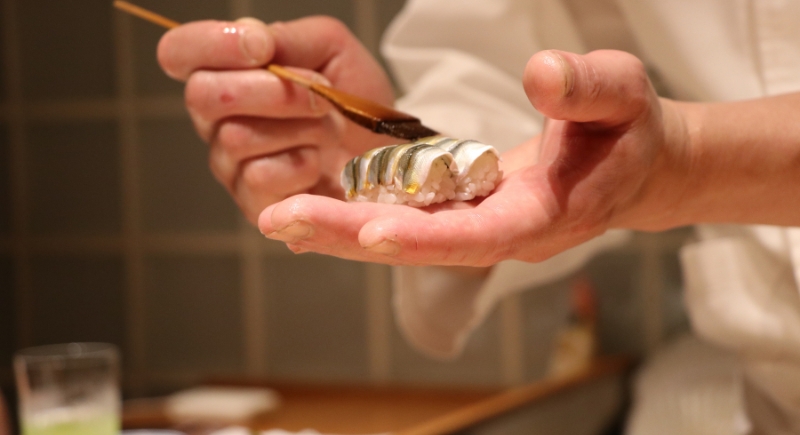
Image via Getty Images/Xiayujie326
When the technique reached Japan centuries later, it changed course. One tale describes an old couple leaving rice in an osprey’s nest, only to find fish inside the grains later. Another story describes a woman hiding rice in bird nests to keep it safe, then finding that scraps of fish had mixed into it.
Legends aside, the method likely came through trade by the 8th century. Once in Japan, rice and fish began to be eaten together. The earliest version, called narezushi, still had an overpowering odor, something like blue cheese. But the Japanese didn’t abandon it.
In fact, they continued to experiment, and eventually, cooks started reducing the long fermentation process. This softened the sharp, pungent flavor of narezushi. The adjustment created namanare, a version in which fish and rice could be eaten together after a short curing period.
The change marked a shift away from storing food for survival and toward creating something people sought out for its taste.
Shortcuts And Street Food
The 17th-century Edo period brought another major modification. Vinegar was added to freshly steamed rice to give it the tang of fermentation without the wait. This was called haya-zushi, or fast sushi.
Fast preparation meant sushi could be sold to busy townspeople. It no longer belonged only in preservation jars. New forms appeared, like rice wrapped in tofu skins or pressed into persimmon leaves. By the 1800s, Tokyo’s growing population wanted food that was quick, portable, and flavorful, and sushi was precisely that.
How Sushi Became Global
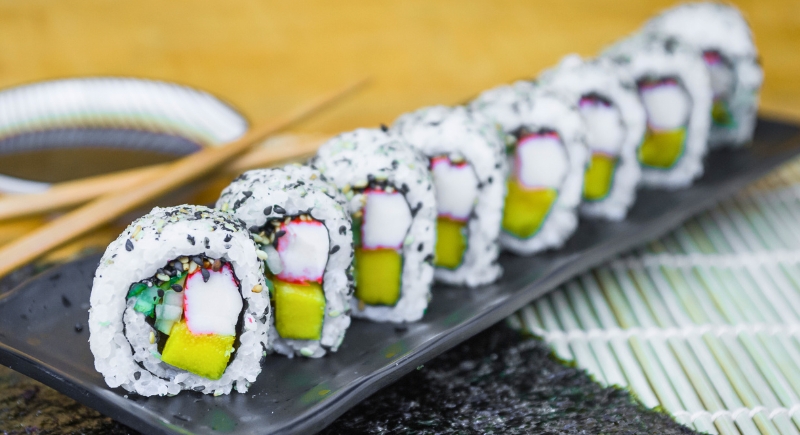
Image via Getty Images/Thiago Santos
Sushi mainly remained in Japan until the mid-20th century. In Los Angeles, a chef named Ichiro Mashita invented the California roll in the 1960s by swapping raw fish for avocado and crab. The slight alteration made sushi less intimidating to American diners and helped it catch on.
Even with these new twists, older traditions survived. At Lake Biwa near Kyoto, families still prepare funa-zushi by fermenting carp in rice for three years. These regional dishes keep the memory of sushi’s earliest forms alive, even as chefs explore new ingredients and sustainable options like Asian carp.