Smartest Way to Store Leftover Champagne and Keep It Fizzy
Celebrations often leave a trail of glitter, half-eaten cake, and that one open bottle of champagne still sitting on the table. Finishing the entire bottle isn’t always realistic. Champagne may be the drink of celebration, but leftover champagne can feel like a missed opportunity.
There’s a reason people go to such lengths to preserve the fizz. That effervescence is part of the experience. When champagne goes flat, you’re left with a sour, underwhelming wine that tastes more like regret than revelry. The good news is that keeping your leftover champagne fresh is easier than it sounds.
First, Keep It Cold
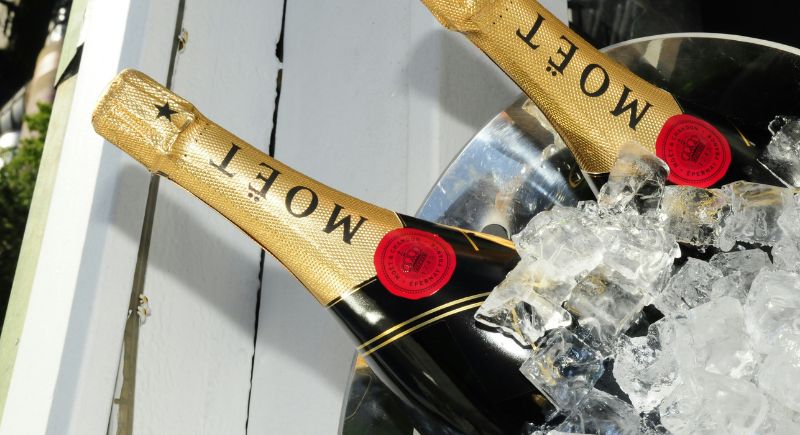
Image via Unsplash/Odd Fellow
The fridge is your first and most important ally. Once a bottle of champagne has been opened, oxidation begins to creep in, and carbonation starts its slow escape. Cool temperatures slow both processes down. Always return the bottle to the fridge as soon as you pour your glass. The longer you leave it out on the table, the duller the sparkle.
Any standard fridge works fine if it’s set to around 40°F. That’s cold enough to keep the carbon dioxide in suspension and preserve some of the crispness you want in champagne.
The Champagne Stopper: Worth Every Cent
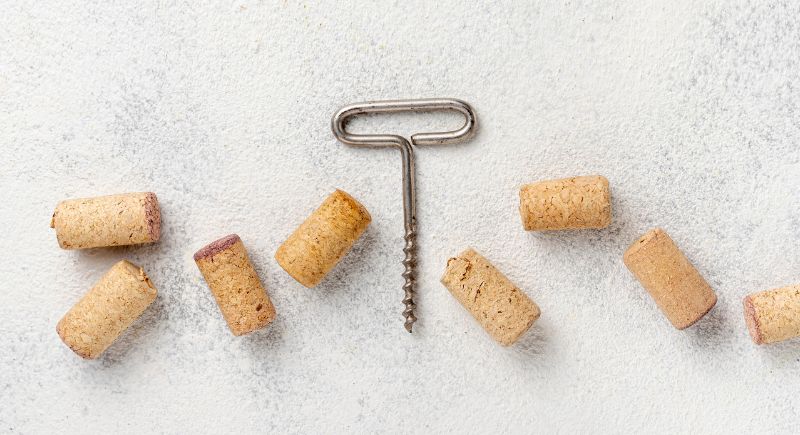
Image via FreePik
A champagne stopper should live in your kitchen drawer, period. Once it clamps onto the lip of the bottle, it forms a tight seal that locks in pressure. The original cork’s problem is that it expands and never goes back in smoothly, but a champagne stopper is designed to handle itself better.
During informal taste tests by wine educators and product reviewers, stoppers consistently preserved fizz for up to three days. Some premium brands, like the Le Creuset Champagne Crown Sealer, have managed to keep wines lively even after five days. The tech is a silicone gasket and hinge mechanism that can handle internal pressure without budging.
A stopper won’t last forever, but it’s a small investment that pays for itself quickly. You’re no longer pouring yesterday’s splurge down the drain. And you don’t have to plan your evening around finishing the whole bottle. Win-win.
The Plastic Wrap Trick (It Sort of Works)
You may be out of tools or simply forgot you had champagne in the fridge until breakfast the next day. In this case, plastic wrap can be a decent band-aid. Stretch a piece of wrap over the mouth of the bottle and fasten it tightly with a rubber band. It doesn’t make an airtight seal, but it will slow down the gas escape.
This hack has been around for years and helps with short-term storage. Within 24 hours, you’ll likely still have some fizz. By day three, most bottles will start tasting like slightly sour white wine. So it’s fine in a pinch, especially if you know you’ll be finishing it tomorrow.
Upright is Better Than Flat
Once a bottle is open, always store it standing up. While horizontal storage works for wine to keep the cork moist, champagne behaves differently. The pressure inside a bottle of bubbly keeps the cork expanded, even when upright.
More importantly, vertical storage minimizes the surface area of the liquid exposed to air. Less oxygen contact equals slower spoilage. So even if you’re storing it in the fridge for two or three days, stand it upright on the shelf.
Repurpose the Leftovers
If you’ve missed the window to save your champagne but hate wasting it, you still have options. Cooking with champagne may sound extravagant, but it’s practical. Use it like white wine: splash it into risottos, pan sauces, or even poach pears. The acidity and mild fruit notes are less pronounced than you’d expect.
You can also freeze leftover champagne in ice cube trays. Use the cubes to chill white wine or punch without watering them down. If you’re making sangria or a spritzer, frozen cubes of leftover bubbly melt right in with the flavor. Another option is to soak berries in flat champagne for a boozy garnish that works with desserts or cocktails. If you’re feeling extra, reduce it into a syrup with sugar and drizzle it over pancakes or fruit.
Think Smaller Next Time
One way to avoid the leftover dilemma is to scale down from the start. Most full-size champagne bottles hold 750 milliliters. Half bottles offer 375 milliliters, and the smallest splits have 187 milliliters. These mini bottles are perfect for solo toasts, casual brunches, or cocktail mixing.
They’re easier to store, they chill faster, and you don’t have to worry about preserving them later. Many producers make their flagship champagnes in smaller formats, and Prosecco is even more widely available in minis. Buying a few to stash for spontaneous celebrations means you’re not opening more than you’ll drink.
Fancy Gear, If You’re Curious
To extend the shelf life of sparkling wine, gadgets like the Coravin Sparkling system inject CO₂ to maintain the bottle’s internal pressure. It’s not cheap, expectedly—it’s usually over $300—but it’s popular with wine bars and collectors who open premium bottles by the glass. It can keep champagne fresh for weeks, which is useful if you’re savoring rare vintages or entertaining frequently.
That said, for most people, a solid champagne stopper and a fridge do the trick. Unless you’re pouring Dom Pérignon, there’s no need to overthink it.
What About the Spoon Myth?
You’ve probably heard this one: drop a metal spoon handle down into the bottle and it’ll keep the champagne bubbly. The theory suggests the metal chills the neck of the bottle and creates a cold air barrier, supposedly slowing gas loss.
Unfortunately, repeated tests from wine schools and America’s Test Kitchen have shown mixed results. Some people swear by it, while others report no difference. It doesn’t hurt anything to try, but don’t expect miracles. At best, it’s a temporary placebo.
Bubbles Are Meant to Be Enjoyed

Image via FreePik/Drazen Zigic
Champagne doesn’t last forever once opened, but with the right method, you can extend its lifespan from a few hours to a few days. A stopper may be your best bet, but plastic wrap can be an alternative. Always keep it chilled upright. The goal is to preserve that sparkle.