12 Warning Signs Your Seafood Isn’t Fresh
Seafood can be a delicious treat, unless it’s gone bad. The difference between a great catch and a questionable one often comes down to a few easy-to-spot details. With help from chefs, fishmongers, and food safety pros, here are the clearest signs your seafood isn’t as fresh as it should be.
A Strong Ammonia Smell
Credit: pexels
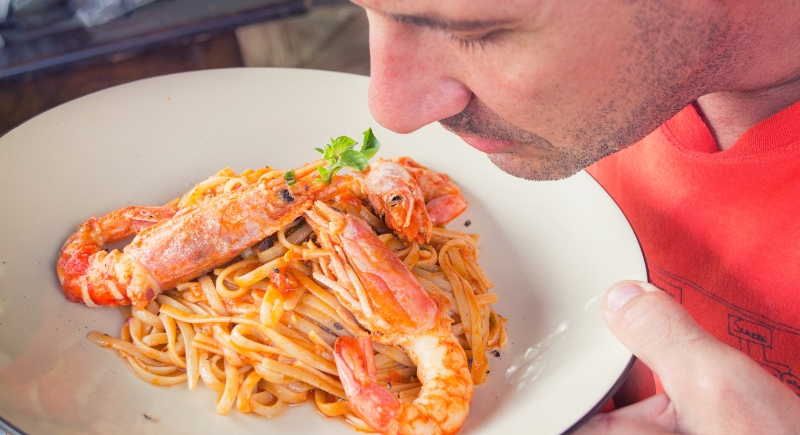
If the seafood smells like cleaning products or ammonia instead of a gentle ocean breeze, that’s a bad sign. This odor comes from trimethylamine, a compound that builds up as fish decay. Executive chefs agree that good seafood should smell like seawater and not like a chemistry set. A bright squeeze of lemon can fix odors in fresh fish, but not spoilage.
Flesh That Feels Mushy
Credit: pexels
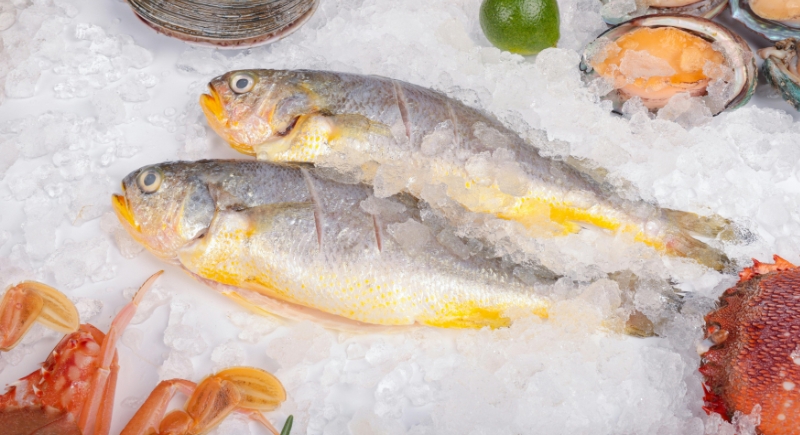
Press your fingertip against the fillet. Does it spring back or leave a dent? Fresh fish has firm flesh that quickly rebounds. When it turns soft, enzymes have already broken down muscle tissues, and bacteria are getting comfortable. This change happens fast, sometimes within a day or two, especially if stored above 40°F. Seafood that feels mushy in your hand is past its prime and best left behind.
Cloudy Or Sunken Eyes On Whole Fish
Credit: Reddit
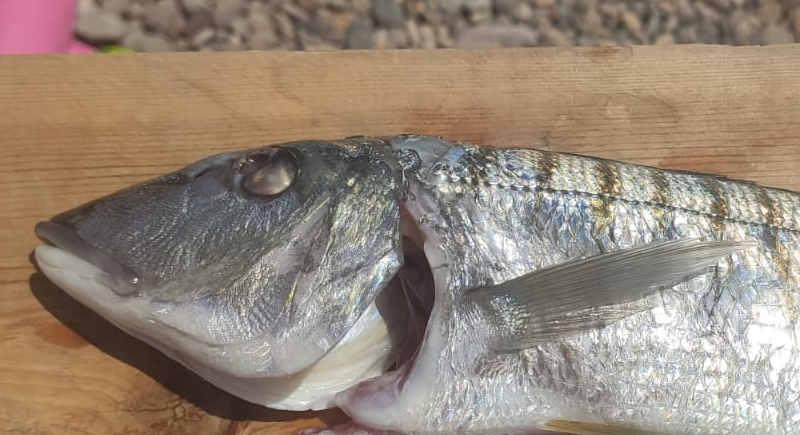
Look a fish in the eye—literally. Clear, bulging eyes indicate recent catch, while cloudy or sunken ones suggest time has taken its toll. According to NOAA Fisheries, fresh fish should look alert, not like they just woke up from a week-long nap. Vibrant, shiny eyes signal good handling. Dull eyes, on the other hand, tell you this fish is aging fast and won’t taste as bright on your plate.
Improper Temperature Control On Display

Credit: pexels
Seafood must be kept consistently cold to stay safe. When fillets are left out without ice or near warm equipment, bacteria can multiply fast. The danger zone is between 40°F and 140°F, and even a short time in that range can compromise freshness. Well‑run markets keep raw fish packed in plenty of crushed ice or stored inside properly chilled display cases.
Gills That Have Lost Their Color
Credit: Getty Images
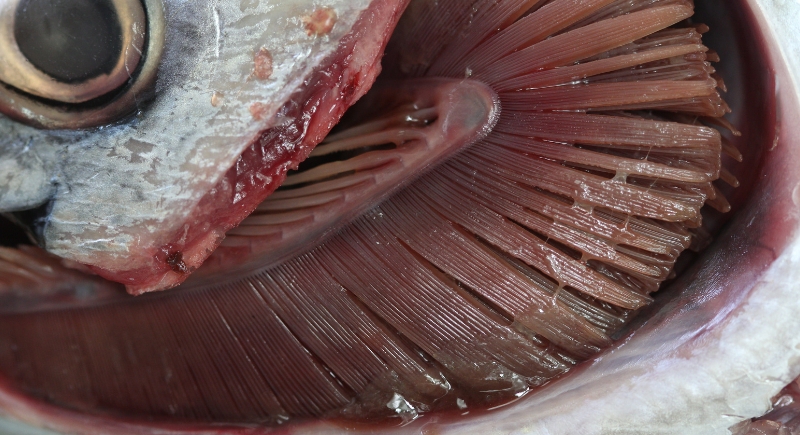
Lift a fish’s gill cover if you can. Those inner flaps should be bright red or pink. When they’re brown or gray, the fish is older and has been sitting too long. This test has been used by fishmongers for generations, and it works just as well in a store as it does at the docks. A peek at the gills gives a quick, reliable clue about overall freshness.
Lobsters Or Crabs Sitting Lifeless In Tanks

Credit: pixabay
A live tank should show lively movement. If lobsters or crabs are motionless with limp legs or dull shells, it’s a warning. These crustaceans degrade quickly after death, and bacteria spread rapidly. A tank with dead creatures also raises concerns about water quality. Restaurants with high turnover keep tanks clean and animals active, which means better flavor and safety when those lobsters finally meet the pot.
Scallops That Appear Too Plump And Wet
Credit: Getty Images
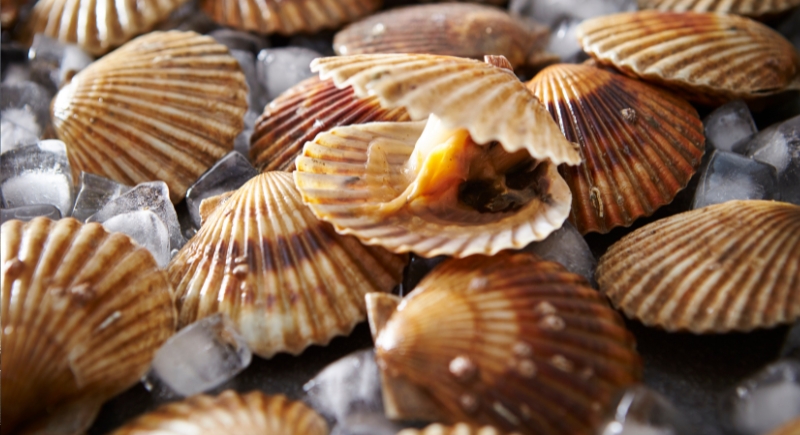
Spot scallops that look unusually swollen and dripping? They might have been treated with sodium tripolyphosphate to hold extra water. While legal, this practice can dull natural sweetness and alter texture. Fresh scallops should feel firm, have a subtle sea aroma, and show a natural creamy color.
Shellfish That Stay Open When Tapped
Credit: Getty Images
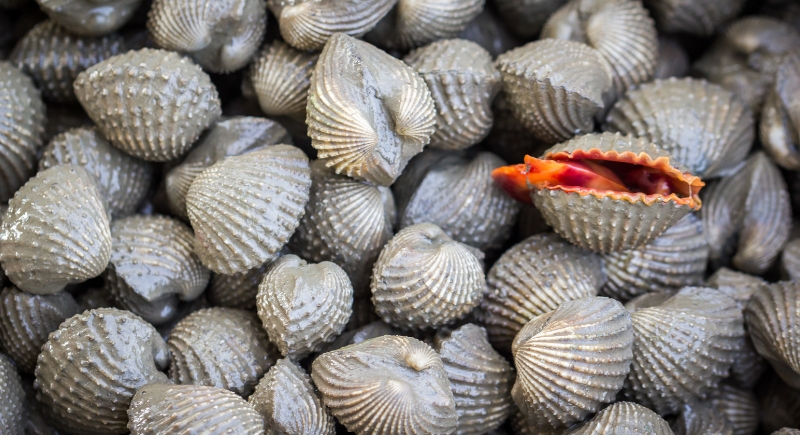
At the market, give that clam or mussel a gentle tap. A living bivalve will snap shut to protect itself. If it stays open, it’s likely dead and unsafe to eat. According to food safety guidelines, bacteria thrive quickly in dead shellfish.
Ice Crystals On Frozen Fillets

Credit: Reddit
The USDA recommends keeping seafood tightly sealed and consistently below 0°F. A frost-covered fillet means it’s been stored improperly or for too long. Check the surface of packaged frozen fish. If you see ice crystals clinging to it, that’s freezer burn, often caused by poor packaging or fluctuating temperatures. Freezer burn isn’t dangerous, but it dries out the flesh and dulls flavor.
Shrimp With Black Or Yellowing Spots
Credit: Reddit
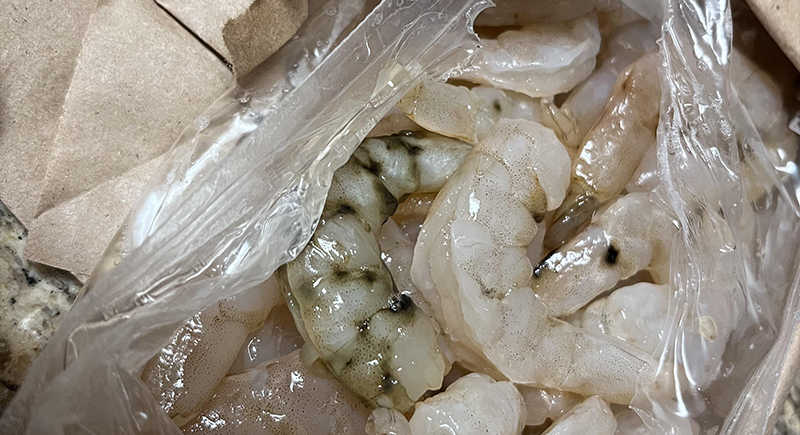
Shrimp should have translucent gray or pink shells that become bright when cooked. Scan them carefully before buying. Black spots on the shell or yellowing flesh are signs of oxidation or age. Shrimp should also feel firm, not slimy, and smell faintly like the ocean instead of something stronger.
Fillets With Separating Muscle Fibers

Credit: Reddit
Examine a piece of raw fish closely. You should see tight, defined lines in the flesh. When those fibers begin to fall apart, the fish is breaking down. This happens when seafood has been sitting too long or handled roughly. Even before a sour smell appears, those loose fibers can reveal that you’re not looking at the day’s freshest catch.
A Fish Counter With No Customers
Credit: Getty Images
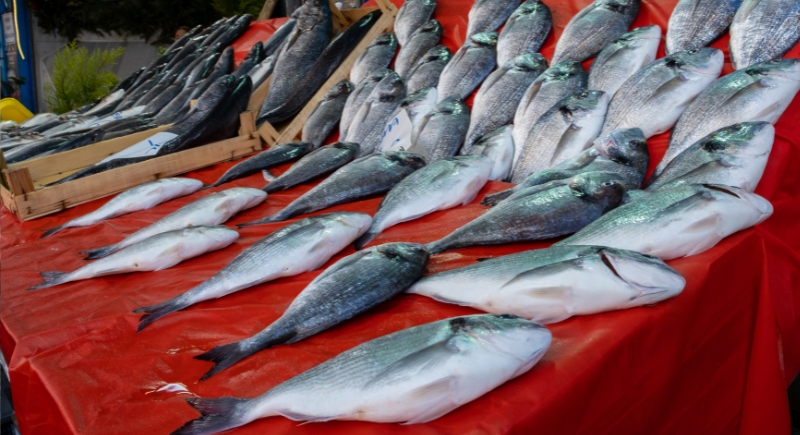
Local seafood enthusiasts often say that crowds at a fishmonger are a good sign, since fresh deliveries sell fast. A deserted counter is one more reason to shop elsewhere that day, so glance around the market.
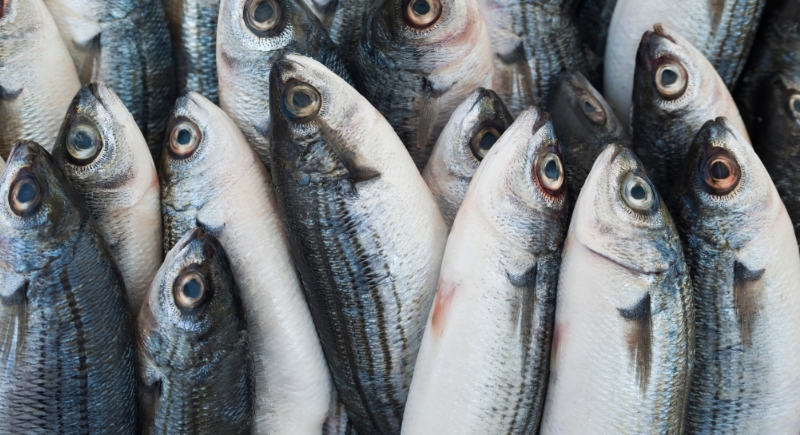
Skin That Looks Dull Instead Of Shiny
Credit: Getty Images
Fresh fish skin usually has a metallic gleam. When it turns dull or develops patches, it’s a clue the fish has been out of water too long. Loss of luster often pairs with other spoilage signs like unpleasant odor or soft flesh.
Seafood Sitting In Your Fridge Too Long

Credit: Getty Images
According to USDA guidelines, raw seafood should be eaten within one to two days of purchase, while cooked seafood lasts up to four days in the fridge. Beyond that, even seafood that looks great at first can develop dangerous bacteria. A simple rule: if it’s been several days and you’re unsure, freeze it immediately or toss it to avoid foodborne illness.
Odd Or Uneven Color Changes

Credit: pexels
Color tells you plenty about freshness. Tuna that starts showing brown patches or salmon with dull gray streaks has already lost quality. Scallops that look overly white from chemical treatments or shrimp with faded, blotchy shells often signal aging or mishandling. Seafood at its best shows bright, uniform coloring that matches what’s normal for that type, so uneven or off shades are a clear warning.