The Secret History Of 7 Items In Your Kitchen
Many of the tools you reach for in the kitchen didn’t start out as everyday essentials. Several of these came from surprising origins, while the rest were born out of frustration or experimentation. A few were initially seen as strange or even unnecessary.
Here’s how these common kitchen items got their start — and what they’ve gone through to end up in your home today.
Fork
Credit: pexels
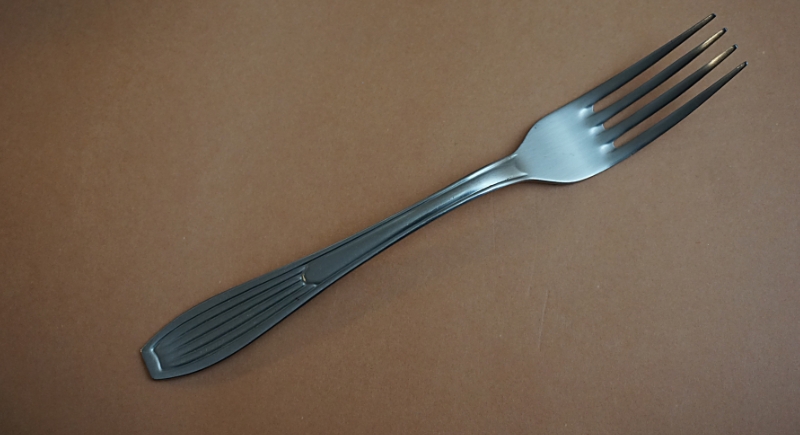
In 11th-century Europe, forks were seen as unnecessary and even offensive. Religious figures claimed they insulted God by replacing fingers. The utensil existed earlier in the Middle East, but Western cultures resisted using it at meals. As dining habits evolved, people gradually accepted them.
Coffee Filter
Credit: pexels
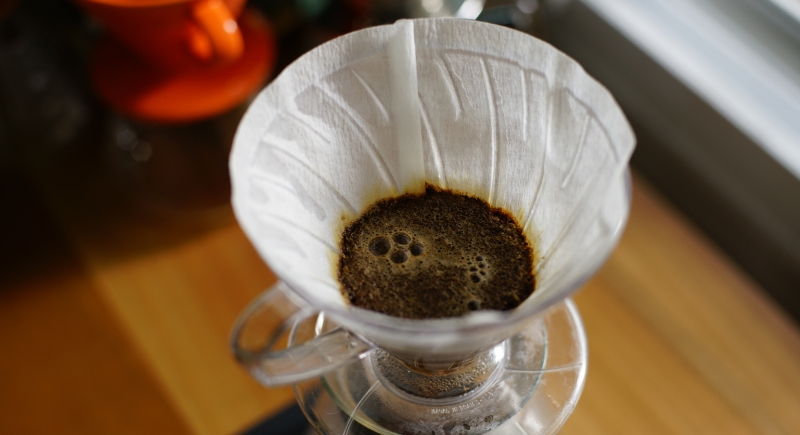
Paper coffee filters are now a global standard for brewing smoother, cleaner coffee, especially with drip machines. The concept traces back to 1908, when Melitta Bentz, a German housewife, grew frustrated with bitter coffee full of grounds. She punched holes in a brass pot and added blotting paper to strain the liquid.
Blender
Credit: Canva
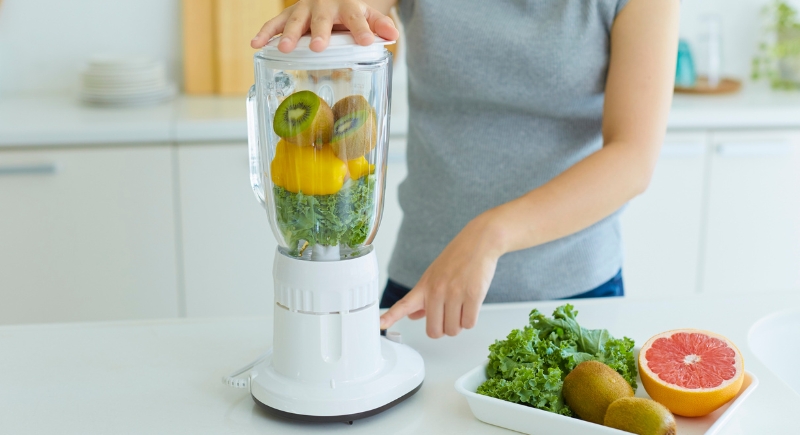
Stephen Poplawski invented the blender in 1922 to mix soda fountain drinks. He placed spinning blades inside a tall container to quickly blend malted milkshakes. Though he designed it for commercial counters, the idea spread. Soon, households were using it to make soups, sauces, and frozen drinks.
Whisk
Credit: Getty Images
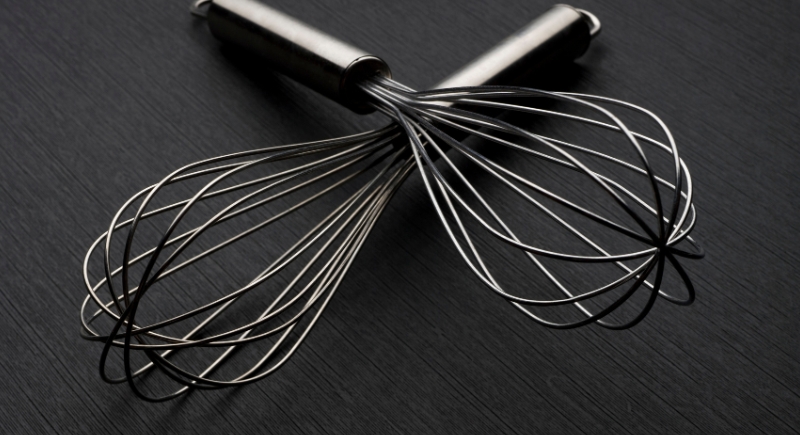
There was a time when whipping eggs meant grabbing a bunch of birch twigs and tying them together. Before metal tools came along, that was the go-to method for stirring and frothing. The wire whisk, shaped like a balloon, was created in the 1800s and quickly became a kitchen favorite. It made mixing smoother and more efficient.
Toaster
Credit: Canva
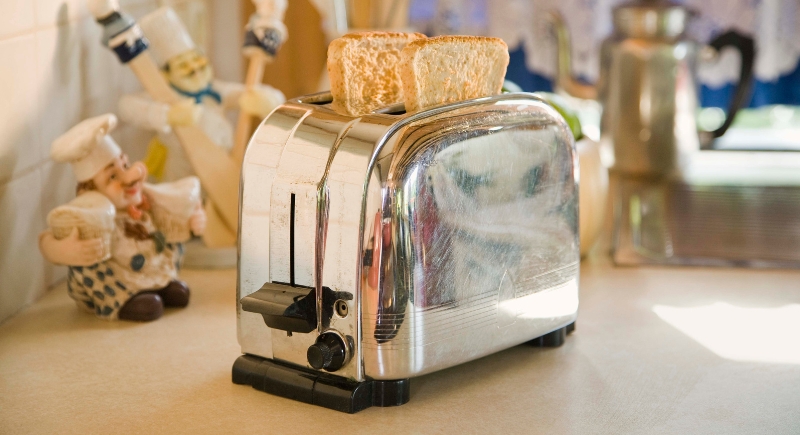
Before toasters became breakfast staples, they helped preserve food. Toasting stale bread gave it new life and slowed spoilage. People once toasted over open fires with metal racks or forks. The electric toaster appeared in 1909 but needed constant flipping. The first pop-up model arrived in 1921 and changed everything.
Peeler
Credit: Getty Images
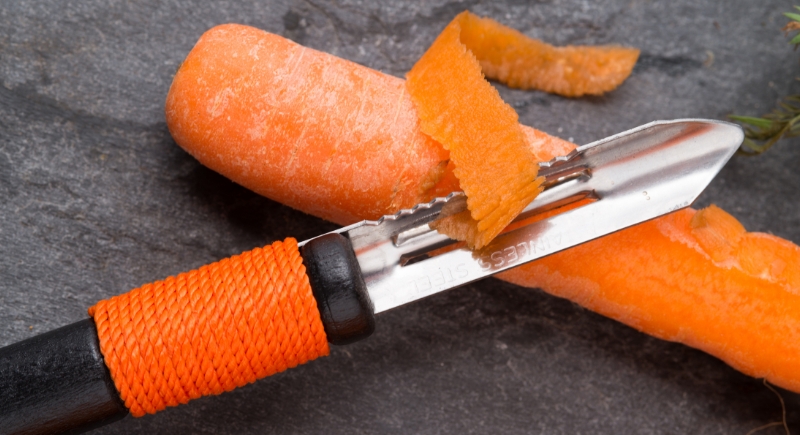
Modern peelers are lightweight, simple tools with a swiveling blade that glides easily over vegetables and fruits. That wasn’t always the case. In the 1800s, inventors submitted hundreds of patents for complex peeling devices. Some were handheld, while others had gears, cranks, or attachments to core and slice. Early versions were often bulky and made of cast iron.
Microwave Oven
Credit: pixelshot
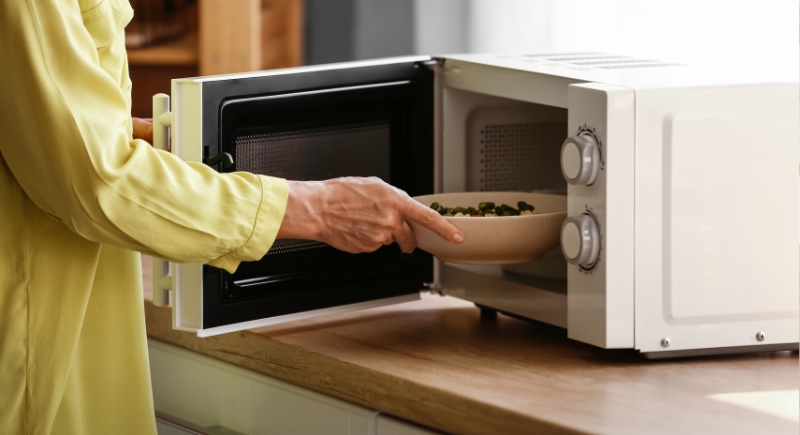
While working with radar equipment during World War II, Percy Spencer noticed a chocolate bar in his pocket had melted. That accident led him to test cooking with microwave energy. His experiments produced the first microwave oven in 1947. It was six feet tall and cost thousands of dollars.
Mixer

Credit: Getty Images
Herbert Johnson, an engineer at Hobart Manufacturing, built the first commercial stand mixer in 1914. It mimicked kneading motions and could handle large batches of dough. The U.S. Navy adopted them for ships and gave the machine wide exposure. Home versions eventually followed in the 1920s.
Paper Towel
Credit: Getty Images
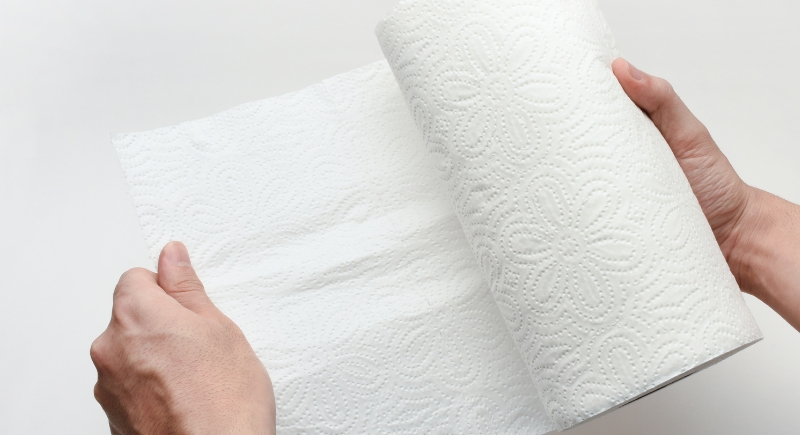
We use paper towels in kitchens to wipe spills, dry hands, and handle messes without needing reusable cloths. Their convenience comes from being disposable and absorbent, which makes them a go-to item for quick cleanups. The idea began in 1907 when the Scott Paper Company turned a defective batch of toilet paper into disposable towels.
Dishwasher
Credit: Getty Images
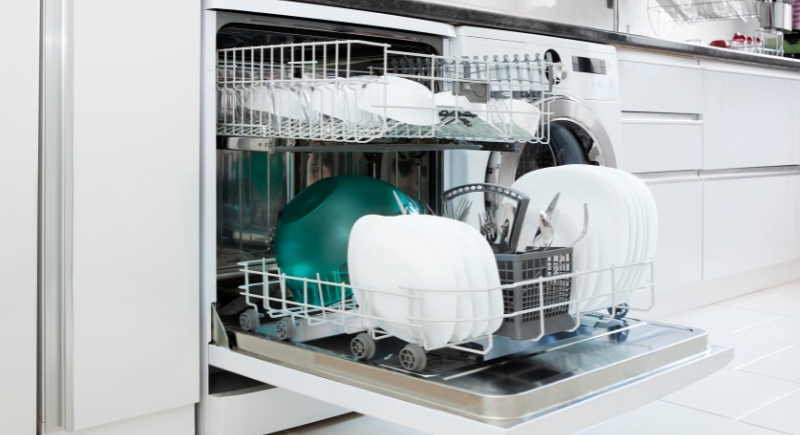
If you’ve ever loaded a dishwasher to avoid scrubbing by hand, you can thank Josephine Cochrane. In 1887, she patented a machine designed to protect her fine china from careless handling. Her invention used pressurized water and wire racks to clean without chipping. Hotels adopted it first, but it took decades for dishwashers to appear in homes.
Refrigerator
Credit: Getty Images
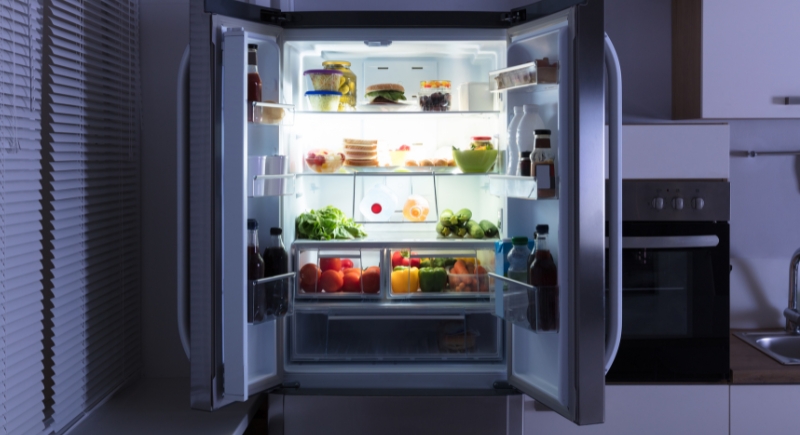
You probably open your fridge multiple times a day without thinking about it, but early electric models were rare and expensive. They once could cost nearly $1,000—over $30,000 today. Various homes relied on iceboxes, which used large blocks of ice to keep food cool.
Waffle Iron
Credit: Canva
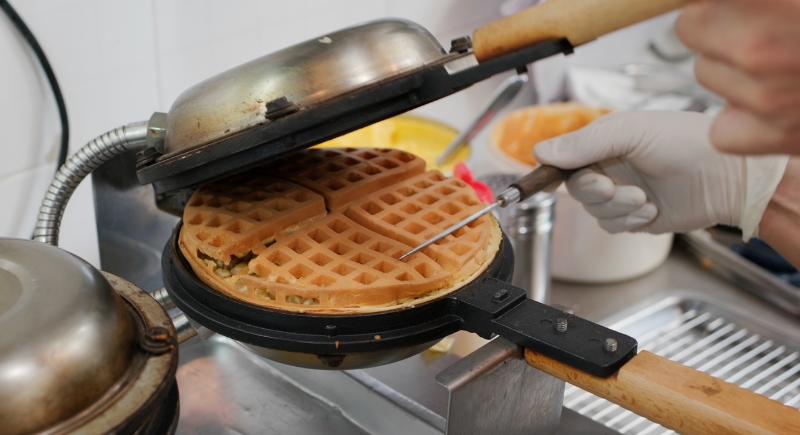
Though waffles have existed since medieval Europe, making them at home was not easy. That changed when Cornelius Swarthout of New York registered a stovetop waffle iron with two hinged cast iron plates. Later versions added electric heating and nonstick coatings, which made cleanup easier.
Ice Maker
Credit: Canva
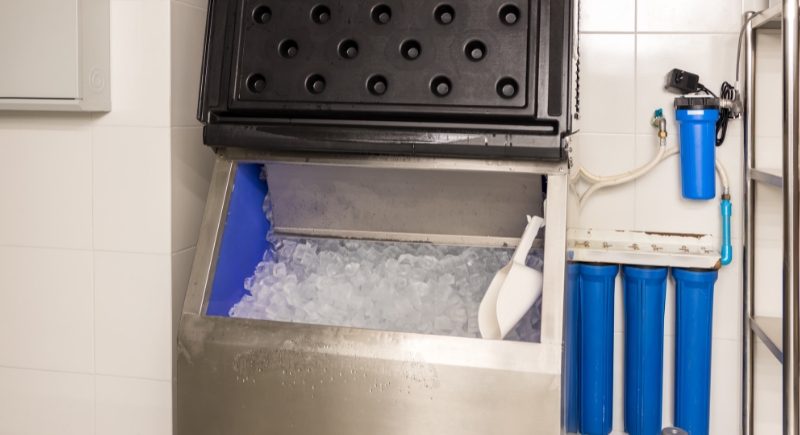
Using ice makers frees you from filling trays or waiting for cubes to freeze. They provide a steady supply of ice with minimal effort, a major shift from how things worked in the past. The first mechanical ice maker was actually produced to cool fever patients. Prior to this, people harvested blocks of ice from frozen lakes and stored them in icehouses.
Grill
Credit: Canva
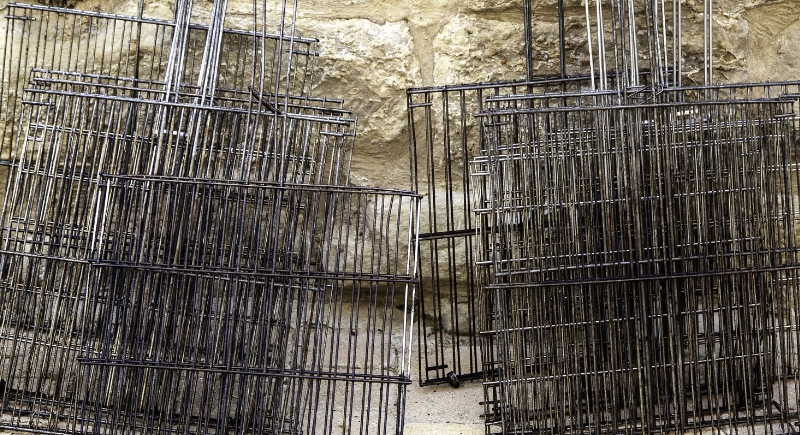
Without the invention of the Weber kettle grill, backyard cooking might still involve digging pits or building heavy brick setups. George Stephen changed that by cutting a metal buoy in half and adding a lid. His design allowed for better heat control and easy portability. And the compact kettle shape made outdoor cooking more accessible.
Saran Wrap

Credit: Canva
Dow Chemical was working on military gear when its researchers developed polyvinylidene chloride to protect equipment by blocking moisture and air. The material worked so well that the company adapted it for civilian use. It was first refined to remove a strong odor, and then released as Saran Wrap.