Sausages So Good, They’re Worth a Plane Ticket
Sausage-making has deep roots in many parts of the world, largely because early cooks needed practical ways to save meat and carry flavor across seasons. Over time, each region developed its own unique style, based on animals available, the spices people relied on, and the methods they trusted for curing, smoking, or cooking. Those choices created striking differences.
A cured Spanish link carries the influence of paprika-rich agriculture, while a fresh Filipino version leans on vinegar and garlic for its sharp edge. A South African spiral has a noticeable coriander thread, and a Chinese cured sausage is sweetened with rice wine and sugar. Movement of people and everyday cooking took these sausages far from home, yet each one still reflects the traditions that shaped it.
This list brings together sausage traditions that stand out for their ingredients, preparation, and the specific roles they play in daily meals and celebrations. Each one earns its place by offering a clear sense of where it comes from and why it continues to matter to the people who make and eat it.
Spanish Chorizo
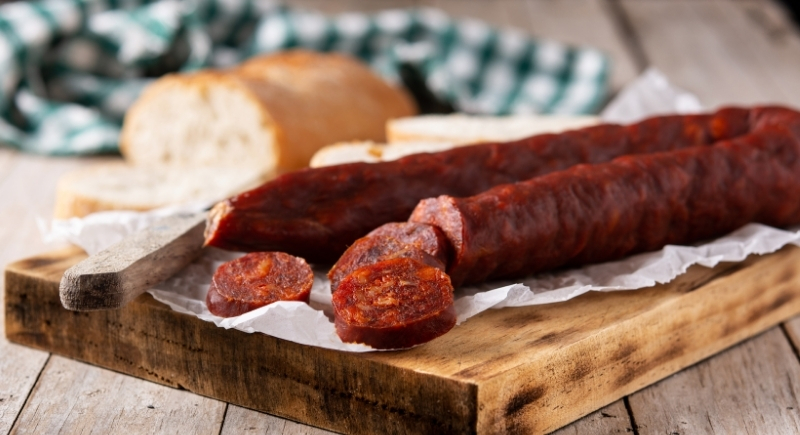
Image via Canva/estefaniavizcaino
Spain’s cured chorizo is instantly recognizable because of its paprika-rich color and firm texture. Pork, garlic, and salt form the base, but the flavor comes from pimenton, which can be sweet or hot depending on the region. Producers usually ferment and air-dry the sausages for weeks to create a sliceable link that fits easily into tapas, stews, and charcuterie boards.
Regions also shape their own versions. León favors a smoky profile, while Extremadura is known for folding cooked potato into a spreadable style. The flavors are earthy and warm, and because it’s cured, it’s ready to eat the moment it’s sliced.
Filipino Longanisa
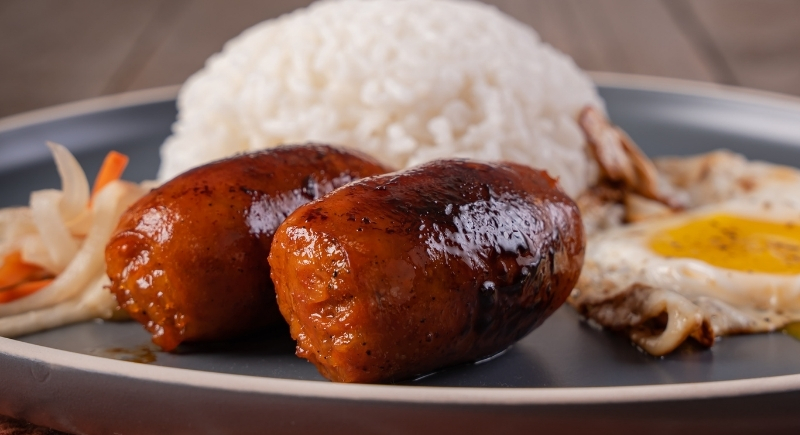
Image via Getty Images/Richard Ernest Yap
This sausage became a national staple after Spanish colonizers introduced longaniza in the 16th century. Filipinos adapted it into something distinctly their own, often browning the small links until the edges caramelize. The country now has dozens of versions, usually grouped into savory (recado) and sweet (hamonado).
Lucban longanisa uses oregano and paprika for a bright, garlicky bite, while Calumpit’s mix skews sweet and sharp at the same time. Longanisa turns up at breakfast with garlic rice and eggs, but it also appears at weddings, street stalls, and family gatherings.
Bavarian Weisswurst
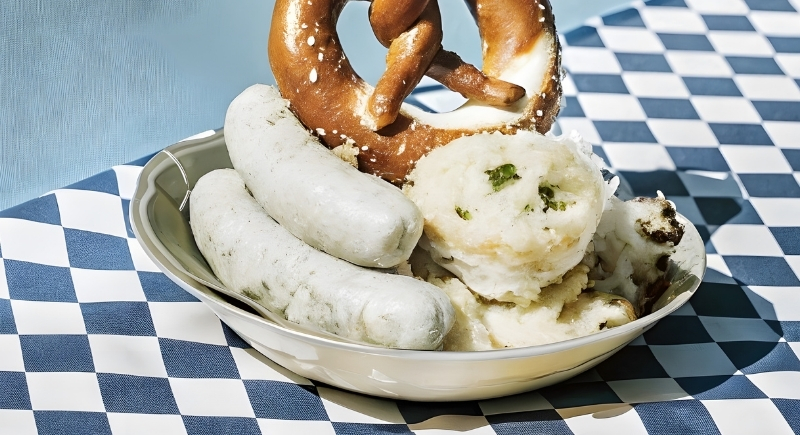
Image via Canva/Zac Bargman’s Images
Weisswurst has been a staple of Bavarian cuisine since the mid-1800s. A popular origin story credits a Munich innkeeper in 1857 who improvised with pork casings. Bavarian cafés treat it as a late-morning favorite. It’s a pale sausage made with finely minced veal and back bacon, seasoned with parsley, lemon, onion, and mild spices like cardamom and nutmeg.
Its color comes from gentle cooking rather than smoking, and locals traditionally eat it with sweet mustard and soft pretzels. The casing is removed at the table by cutting open the tip and drawing the meat out. Its light flavor and velvety texture set it apart from Germany’s more common bratwurst styles.
Calabrian ’Nduja
’Nduja grew out of 1800s Calabria, where cooks found a way to turn the pig’s less-marketable cuts into something rich and full of heat. They mixed those scraps with local chilies and cured the blend into a soft, spreadable sausage. Because it’s so fatty, it melts into almost anything you toss it into, whether that’s pasta, eggs, pizza, or a pan of vegetables. Younger batches come in hot and sharp; older ones settle into a deeper, slightly smoky flavor. A small spoonful can shift an entire dish, which is a big part of why it’s become a favorite in both restaurants and home kitchens.
Chinese Lap Cheong
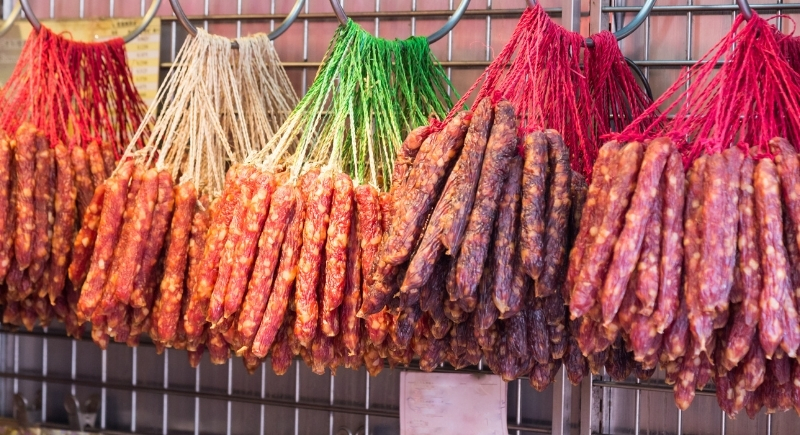
Image via Getty Images/ThamKC
China’s cured lap cheong varies by region, but the version most familiar in the United States is Hong Kong-style, made with lean pork, soy sauce, rice wine, sugar, and rose-infused spirits. Many families still dry their own links during the Lunar New Year, hanging them in cool air for days or weeks to develop a chewy texture and concentrated sweetness. The sausage stays firm after cooking, so it holds its shape in stir-fries. Many cooks place it on top of raw rice while it steams, letting the fat and seasoning run down to flavor the whole pot.
Algerian Merguez
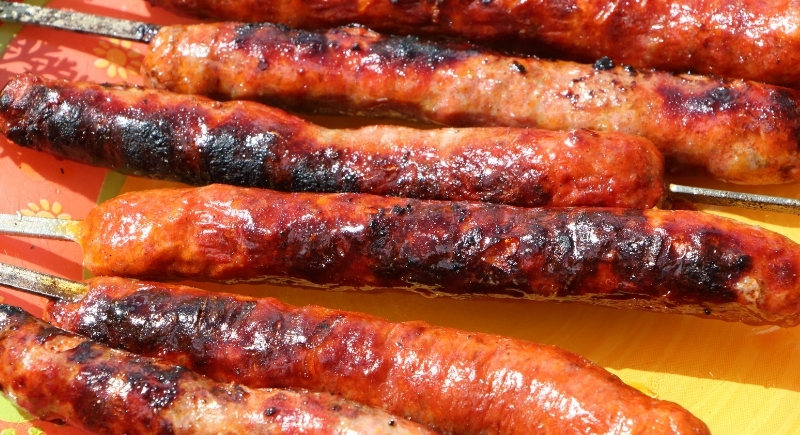
Image via Canva/Aurélie Le Moigne
Merguez developed across North Africa, especially in Algeria, where lamb and beef are more common than pork because the region follows halal practices. The links are seasoned with harissa, cumin, fennel, garlic, and sumac, creating a bright red sausage that cooks quickly on a grill or in a skillet. Some regions shape organ-based variations or add dried rose petals and cinnamon. The fine grind produces a smooth bite that pairs easily with couscous, chickpeas, or flatbread. And yogurt on the side helps balance the spice.
British Black Pudding
Black pudding has roots that stretch back centuries in the United Kingdom. It blends pig’s blood with grains like oats or barley, along with onions and warming spices. The grains give the sausage a dense and slightly crumbly texture. In Scotland, producers use steel-cut oats for more bite, while French-Canadian boudin forms a similar product in loaf pans instead of casings. Across Britain, black pudding appears at breakfast with eggs, toast, and beans.
Polish Kielbasa

Image via Getty Images/michaldziki
Poland uses the word “kielbasa” for all sausages, but certain styles hold iconic status. Kielbasa wedzona is a smoked version seasoned with garlic, pepper, salt, and sugar and cooled over wood smoke for at least a day. Kielbasa wiejska uses garlic and marjoram for a softer herbal note. The country produces more than 100 recognized varieties, including hunter’s sausage with juniper berries and double-smoked wedding sausage. In the U.S., people often grill it or simmer it with sauerkraut. You are more likely to encounter a curved, lightly smoked version that’s already cooked, but in Poland, it appears in soups, stews, grilled platters, and simple cold plates with pickles and rye bread.
Korean Sundae
Sundae dates back to Korea’s Goryeo dynasty. Producers mix pig’s blood with glass noodles, rice, and vegetables like perilla leaves or chopped kimchi. Some styles add barley or mung bean sprouts, and coastal regions fold in minced shrimp for a faint seafood note. It has a chewy bite similar to mochi and works steamed, boiled, or stir-fried. Popular dishes include sundaeguk, a hearty soup, and sundae bokkeum, a stir-fried version with vegetables and spice.
French Andouille
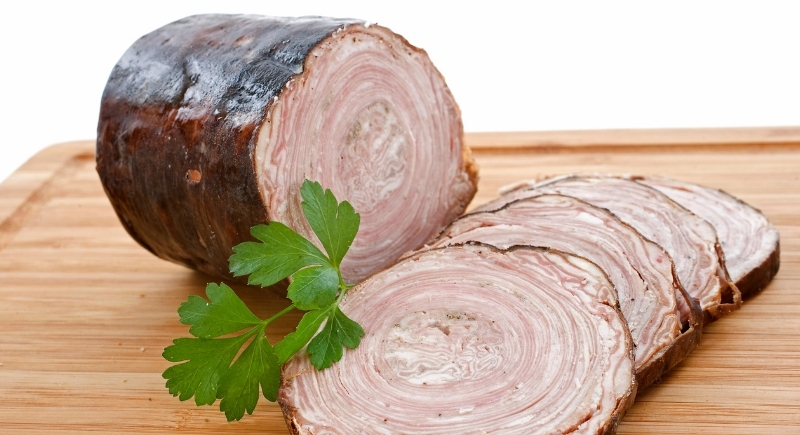
Image via Getty Images/cynoclub
French butchers created andouille by filling casings with tripe and chitterlings, then seasoning the mix with onion, wine, and spices. Immigrants carried the tradition to Louisiana, where cooks adapted it by using pork shoulder, adding cayenne, and smoking the links. French andouille is often pan-fried, while the Cajun version appears in jambalaya, gumbo, and red beans. France also produces andouillette, a prized regional variety made with tripe and Champagne.
South African Boerewors
Boerewors has been important in South African cooking since the 1600s. Dutch settlers blended beef with pork fat and seasoned it with coriander, nutmeg, and clove. The name translates to “farmer’s sausage,” and today national rules even set the required meat and fat percentages for anything labeled boerewors: It must contain at least 90 percent meat and no more than 30 percent fat. It cooks quickly on a grill and stays juicy thanks to its coarse grind. Locals often serve it with pap, a maize porridge, and chakalaka, a vegetable relish with beans, peppers, and spices.