12 Genius Ways to Repurpose Kitchen Trash
Before trashing what’s left on your cutting board or in your coffee filter, it might be worth a second look. Much of what we casually discard in the kitchen—banana peels, eggshells, coffee grounds—still has untapped benefits in your garden, under the sink, or even on your skin.
These clever reuse ideas keep waste down and usefulness up.
Grind Dried Citrus Peels for Skincare

Credit: pexels
Dried orange and lemon peels, once ground into a fine powder, make an easy add-in to your skincare routine. When blended with yogurt or honey, they turn into a gentle scrub that smells fresh and actually works. The natural oils and vitamin C help exfoliate without drying your face into sandpaper.
Use a Milk Jug as a Scoop

Credit: Getty Images
Instead of throwing that plastic milk jug away, cut it at an angle from the handle to the base. What you’ll end up with is a surprisingly functional scoop that’s perfect for soil, pet food, or rock salt. It’s light, durable, and one less tool to clutter your garage shelves.
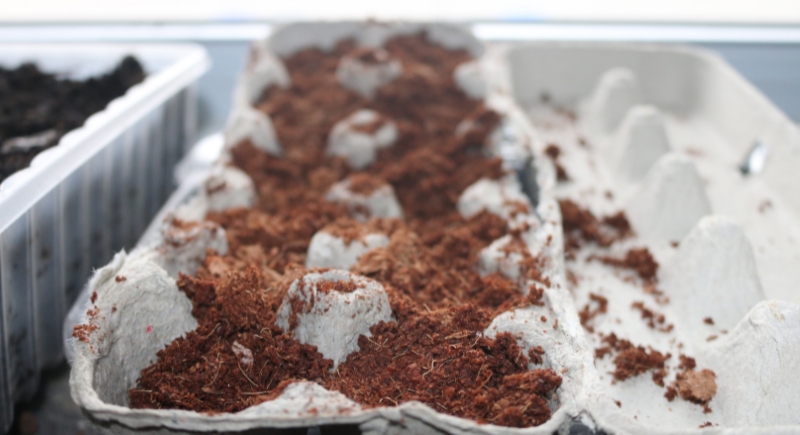
Create Seed-Starting Pots From Egg Cartons
Credit: Getty Images
Cardboard egg cartons are the right size for seed-starting. Add a scoop of soil to each compartment and plant away. The best part is that when the seedlings are ready, you can snip the cups apart and drop them on the ground, in the carton, and all. It decomposes right along with the roots.
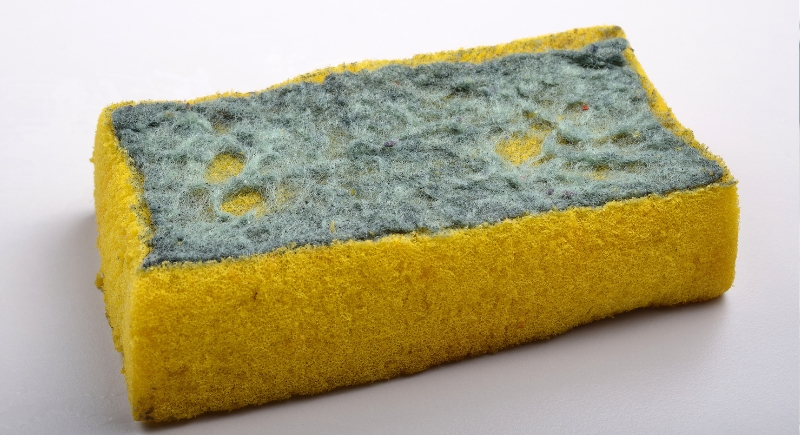
Keep Soil Moist With Old Sponges
Credit: Getty Images
Place a clean, dry kitchen sponge at the bottom of a flowerpot before adding soil. The sponge is a water reservoir to retain moisture and reduce watering frequency. This simple trick uses worn-out sponges and supports healthy root development.
Scrub Pots With Used Coffee Grounds

Credit: Getty Images
Coffee grounds are a natural abrasive cleaner for cast iron pans, grills, or sink stains. Sprinkle them directly onto the surface or use a sponge to scrub, then rinse. Skip this method on light-colored or porous materials to avoid staining.
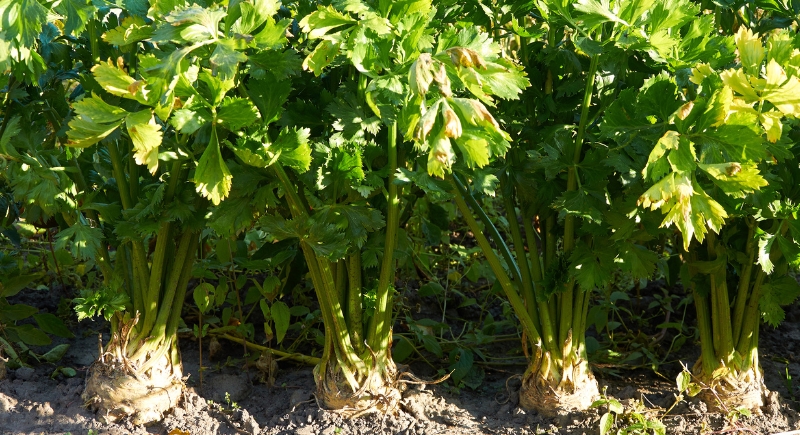
Start Celery From the Stalk Base
Credit: Getty Images
Chop your celery as usual, but hold onto the base. Place it upright in a water bowl and leave it on the windowsill. In a few days, you’ll see bright green shoots popping out of the center. With roots established, it’s ready for the soil and a proper comeback.
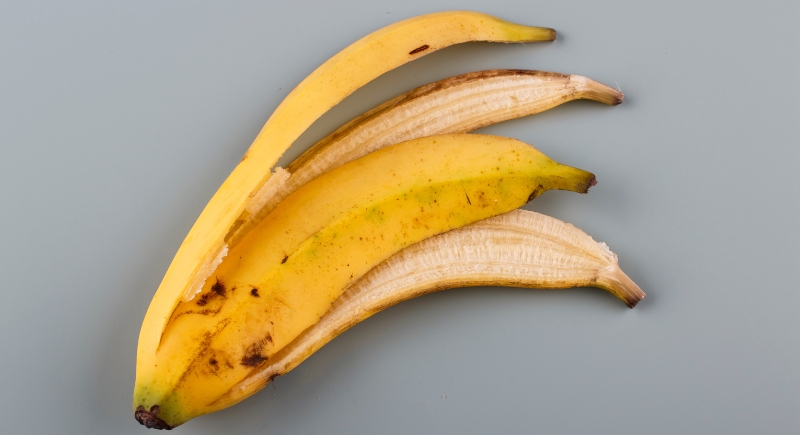
Polish Silver With Banana Peel Paste
Credit: Getty Images
A banana peel can help with tarnished silverware. Toss it into a blender with a splash of water and spread the paste over the metal. Rub gently, rinse, and buff. The results are surprisingly good, without needing to break out gloves, masks, or harsh-smelling chemical polish.
Dry and Grind Eggshells for Plant Calcium

Credit: Getty Images
After using eggs, rinse and dry the shells thoroughly. Bake them at 250°F or microwave them to sterilize, then crush or grind them into powder. Sprinkle this around tomato, pepper, or spinach plants to improve soil pH and boost calcium content.
Revive Old Paintbrushes With Vinegar

Credit: Getty Images
Dried-up bristles don’t always mean the end. Dunk hardened brushes in hot vinegar and let them soak until the stiffness softens. Afterward, give them a scrub in soapy water, and they might just live to paint another wall.
Fortify Houseplants With Cooking Water
Credit: Getty Images
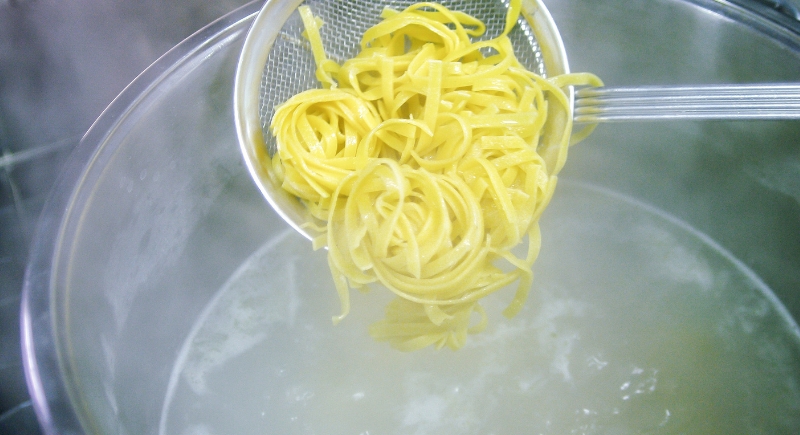
That cloudy water from boiling pasta or veggies still contains nutrients. Let it cool, skip the salt, and pour it over your plants. Potassium, magnesium, and other trace elements can help keep leaves green and healthy without spending extra at the garden store.
Regrow Lemongrass From Leftover Stalks
Credit: Getty Images
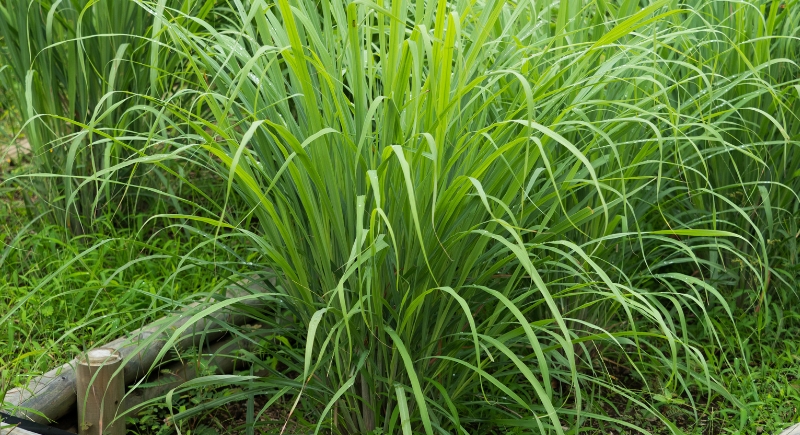
Save the lower portion of lemongrass stalks with bulb ends intact. Remove the outer layers and soak the base in water until roots appear, then plant it in soil. Though not perennial in colder regions, lemongrass can thrive indoors in containers. Plus, it provides culinary flavor and serves as an aromatic houseplant.
Use Coffee Grounds as a Pest Deterrent

Credit: Getty Images
Spent coffee grounds deter slugs, ants, and even neighborhood cats when scattered around garden beds. They add nitrogen to the soil while keeping critters at bay. You can also make a garden “tea” by soaking two cups of grounds in water overnight and using the liquid to nourish acid-loving plants.
Infuse Vinegar With Orange Peels
Credit: Getty Images
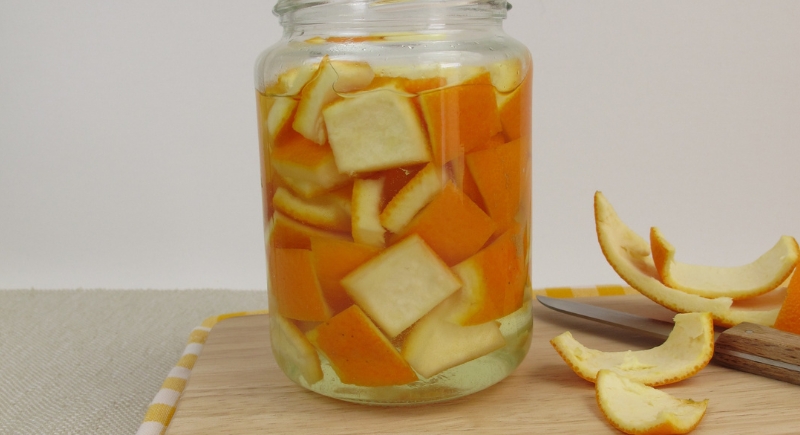
Fill a jar with clean orange peels, then top with white vinegar. Let it steep for two weeks, strain, and use the citrus-scented vinegar as an all-purpose household cleaner. It cuts grease and disinfects without synthetic chemicals, and the fragrance makes cleaning feel less like a chore.
Grow Mushrooms From Stem Scraps
Credit: Getty Images
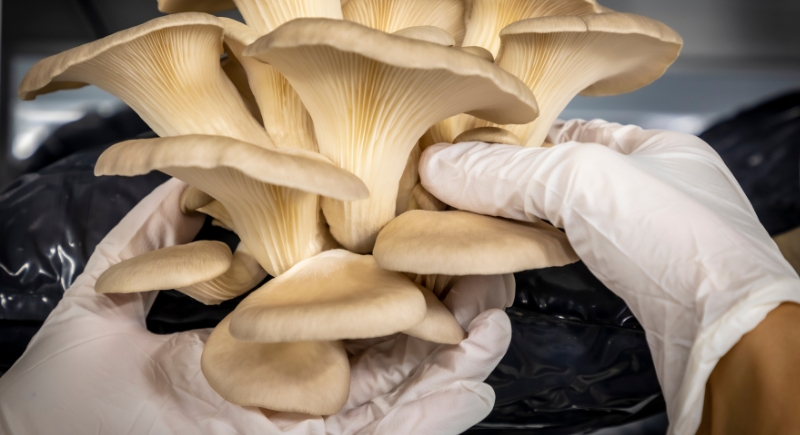
Oyster mushroom stems aren’t just for the compost. With moisture, cardboard, and a dark corner, you might coax them into growing again. Slice the bases into chunks, keep them damp, and wait. If conditions are right, tiny caps will reappear like they were never meant to be thrown out.
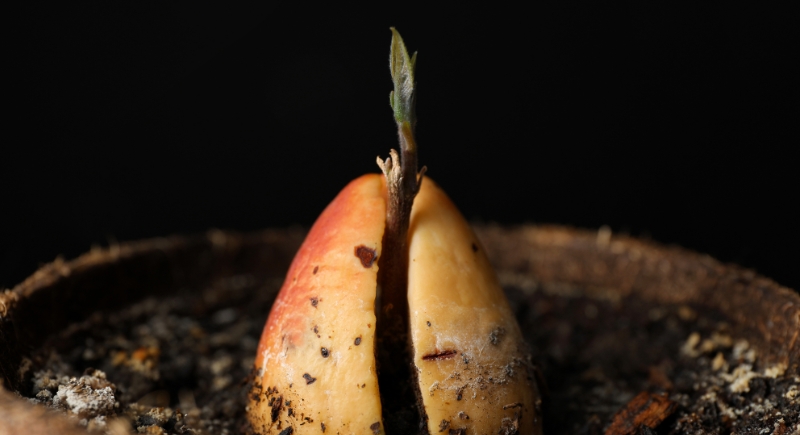
Start Avocado Pits as Houseplants
Credit: Africa Images
Suspend an avocado pit over a jar of water using toothpicks and let the broad end sit just in the water. After a few weeks, a taproot should sprout. Once a stem forms and leaves emerge, plant the pit in soil. While it may never fruit, it makes a unique decorative plant.