“Raw” Milk Cheeses That Are Illegal to Import
Raw milk cheese is at the center of one of the most heated food debates in the world. For centuries, cheesemakers across Europe have crafted soft, aromatic wheels from milk straight from the animal, relying on natural bacteria and aging conditions to develop flavor. In the United States, however, strict safety regulations have drawn a hard line. If a cheese is made from raw, unpasteurized milk and aged less than 60 days, it generally cannot be legally imported.
The rule has turned several legendary cheeses into underground delicacies that travelers smuggle home in suitcases and specialty buyers source through gray markets. Some of the world’s most celebrated cheeses exist in a legal gray zone for American consumers.
Vacherin Mont d’Or (French Mont d’Or / Vacherin du Haut-Doubs)
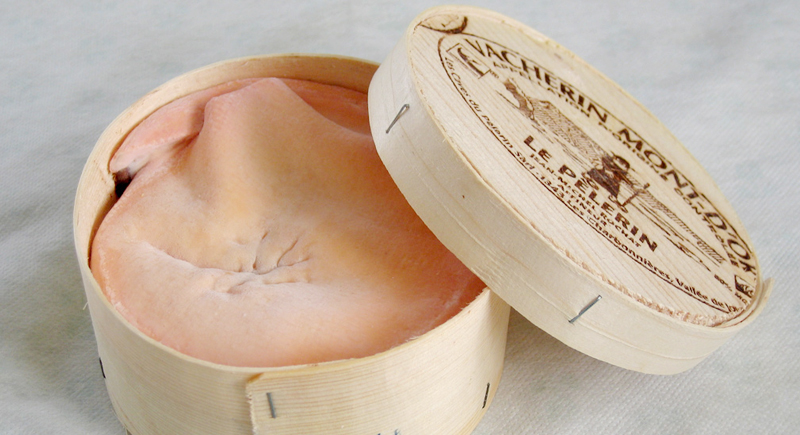
Image via Wikimedia Commons/NEON_ja
Chefs often describe this as one of the most luxurious cheeses on Earth. Produced seasonally in the French Alps, it is made only from raw milk under protected origin rules. The cheese is sold in spruce bark boxes and becomes almost spoonable as it ripens. Since authentic versions must be raw milk and are typically sold young and soft, they conflict with U.S. import rules. Pasteurized Swiss versions occasionally appear in limited supply, but purists consider them a different experience entirely.
Young Raw Camembert
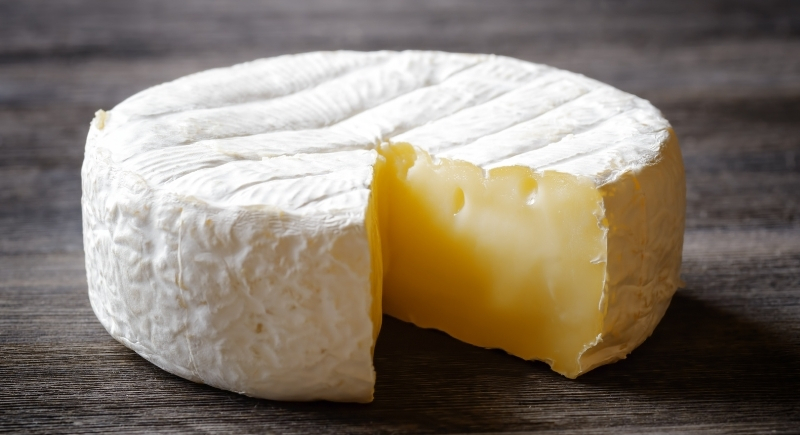
Image via Canva/efired
Most Americans have tasted Camembert, but authentic raw milk versions from Normandy are a different category. These are typically aged for a short window, often less than two weeks, once fully ripe. The shelf life makes them incompatible with the 60-day aging rule. The flavor is far more complex and earthy than pasteurized export versions, which is exactly why enthusiasts seek them out abroad.
Traditional Raw Milk Brie
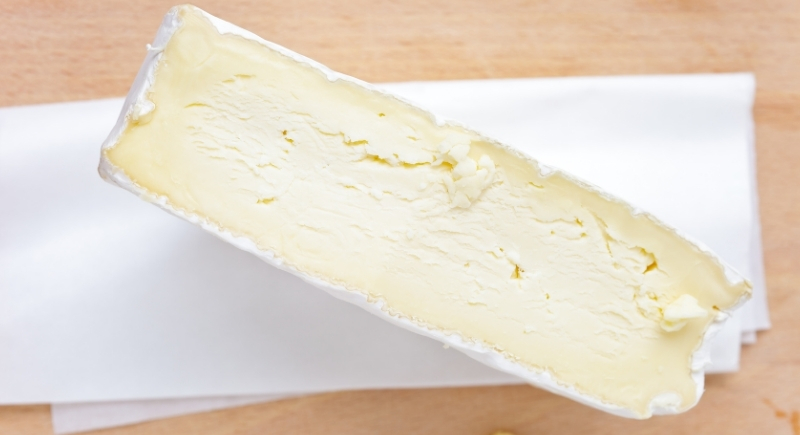
Image via Getty Images/Atide
Like Camembert, authentic farmhouse Brie is often produced using raw milk and consumed relatively young. The texture is softer, the aroma stronger, and the flavor more layered due to native microflora that pasteurization removes. While pasteurized Brie is widely available in U.S. markets, many traditional French raw milk Bries never legally cross the border.
Époisses (Young Raw Versions)
Époisses is already famous for its intense aroma. When made from raw milk and consumed young, it becomes even more complex and pungent. Since raw milk soft cheeses like this cannot realistically survive a 60-day aging requirement without losing their intended character, authentic raw versions are typically absent from U.S. import shelves.
Morbier (Raw Milk Traditional Versions)
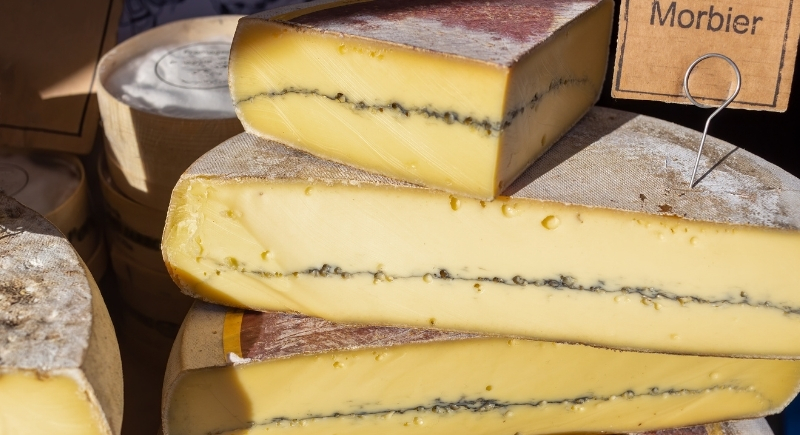
Image via Getty Images/MagicBones
Morbier is recognizable by its thin ash line running through the center. Traditional farmhouse Morbier is often made with raw milk and aged in ways that may not meet U.S. microbial limits. While pasteurized versions exist, traditionalists argue they lack the depth produced by raw milk fermentation.
Tomme de Savoie (Certain Raw Farmhouse Styles)
Not all Tomme de Savoie is restricted, but certain small-scale raw milk versions fall into regulatory gray areas depending on bacterial counts and aging specifics. This cheese highlights how bans are not always blanket prohibitions. Sometimes they depend on precise microbial testing thresholds.
Mimolette (Mite-Ripened Traditional Versions)
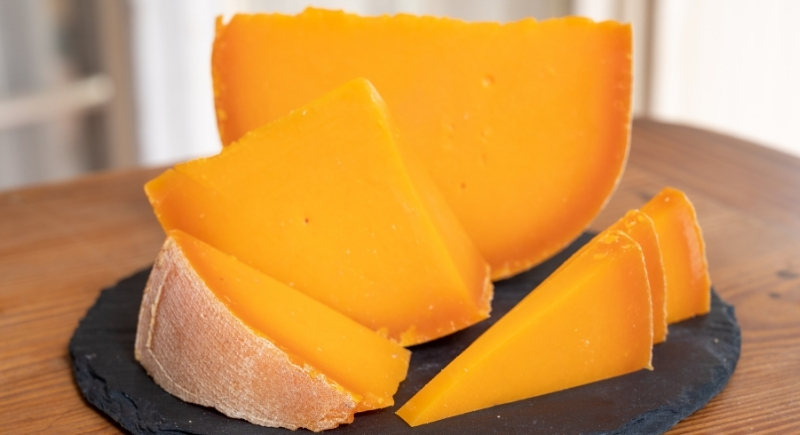
Image via Getty Images/barmalini
Mimolette adds another dimension to the conversation. Some traditional versions are aged using cheese mites to develop flavor and texture. U.S. regulators have at times restricted imports over allergy concerns tied to those mites. This shows how cheese restrictions are not always about raw milk alone but also about production biology.
Fresh Raw Milk Farmhouse Cheeses (Broad Category)
Across Europe, small producers make fresh or lightly aged raw milk cheeses meant to be eaten quickly. These cheeses often showcase local pasture conditions and seasonal animal diets. Because they are not aged long enough to meet U.S. import rules, many never legally reach American consumers at all.
Why These Rules Exist
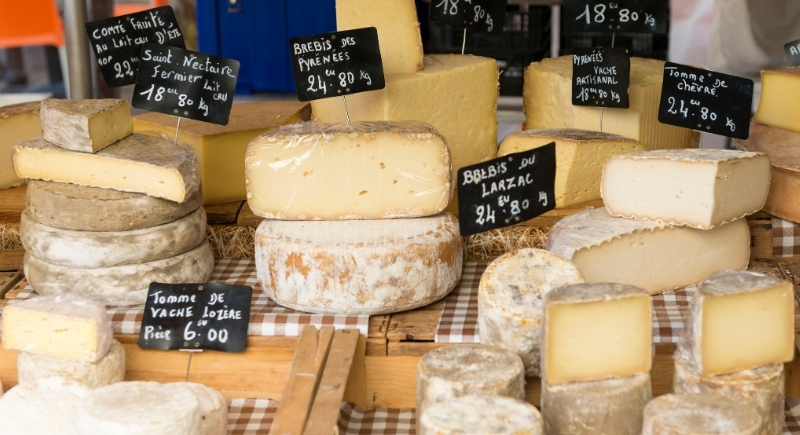
Image via Getty Images/pepmiba
The U.S. aging requirement dates back to the mid-20th century and is designed to reduce risk from pathogens such as Listeria, Salmonella, and certain strains of E. coli. Pasteurization reduces these risks by heating milk to kill harmful microbes. Public health data show relatively low illness rates linked to regulated dairy, which regulators cite as proof of effectiveness.
The Debate Continues
Raw milk advocates argue that natural bacteria contribute to complexity, terroir expression, and cultural authenticity. Regulators counter that modern global distribution increases risk because contamination can spread far beyond a single village or region.
What makes the issue especially complicated is that both sides rely on real science. Raw milk cheeses can offer unmatched flavor complexity, while pasteurization dramatically lowers foodborne illness risk. Industry groups and regulators continue discussing how to balance safety and tradition.
Advances in testing, traceability, and controlled aging environments may eventually allow more raw milk cheeses to enter regulated markets safely. Until then, many of the world’s most historic cheeses will remain something Americans mostly experience while traveling abroad.