Pizza Hut Surprised the Internet in 2012 by Releasing a Pizza-Scented Perfume
Pizza Hut has a long history of unconventional ideas, from stuffed crusts to novelty promotions, but one moment in late 2012 stood out even by its own standards. The brand briefly stepped outside food altogether through an unexpected surge of social media interest.
It began with a lighthearted Facebook post from Pizza Hut Canada asking fans whether the smell of a freshly opened pizza box should be bottled. The question was meant to spark conversation, but the response was immediate and overwhelming. Thousands of comments poured in with suggestions and reactions, which made it the brand’s most successful engagement post at the time.
Turning Comments Into a Physical Product
The idea came out of Grip Limited, the agency handling the brand’s digital presence. Once the reaction crossed into genuine demand, the question changed. Could this actually be made? An aromatologist confirmed the scent could be recreated, though it took several attempts to get close to the real thing. Warm dough turned out to be far less cooperative than expected, and cheese, it turns out, does not behave politely outside a kitchen.
The brand waited until its Facebook page reached 100,000 fans before committing to a run. Then came the reveal. A limited batch of bottles would go out to fans who responded first. Roughly 100 bottles were promised, and messages flooded in by the thousands.
What It Actually Smelled Like
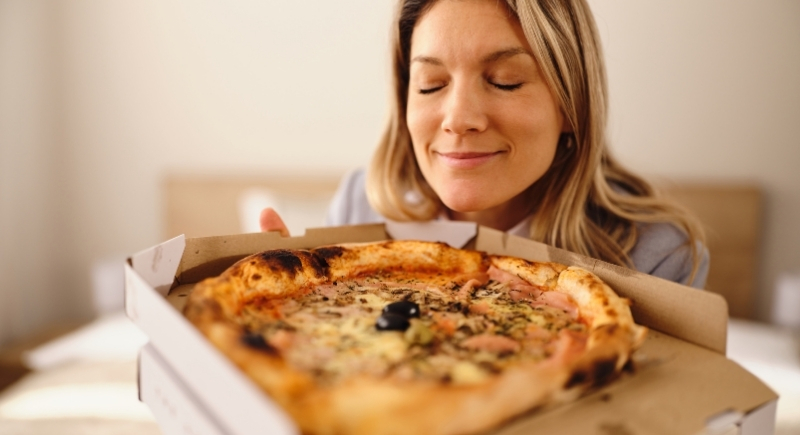
Image via Getty Images/skynesher
The finished scent leaned heavily on dough, with light seasoning layered in, and it skipped cheese entirely. Marketing teams made no effort to sell it as a serious personal fragrance. Even internally, it was described as entertainment first. Some recipients treated it like a novelty collectible, while others sprayed it into rooms rather than onto skin.
The Brand Context Made It Feel Less Random
Pizza Hut had already built a reputation for testing its boldest ideas outside the United States, including hot-dog crusts in Europe, cheeseburger pizzas in the Middle East, and seafood-heavy offerings in Japan. The perfume fit the pattern. At the corporate level, Yum! Brands had shown comfort with strange but conversation-driving ideas. The perfume simply took that instinct out of the kitchen and into culture.
Food-scented perfume also had precedent. Years earlier, Burger King released Flame, a meat-scented body spray tied to the holidays. Critics mocked it, but customers bought it anyway. Originality mattered less than timing and tone. Pizza Hut’s version occurred at a time when social media comments carried significant weight, and brands felt pressure to respond publicly. The joke worked because it followed through just enough, then stopped.