Pistachio Is So Last Year: Ingredients and Food Trends to Watch in 2026
For the past two years, pistachios have been a dominant presence on menus and in packaging. It filled pastries, flavored drinks, coated chocolates, and signaled that something was meant to feel premium. The ingredient became popular for understandable reasons: it gave off a luxurious look, photographed beautifully, and suggested indulgence without excess.
By late 2025, however, pistachios stopped feeling special. In 2026, food culture is moving by changing priorities altogether. The next wave of food trends favors ingredients that evoke a sense of grounding, practicality, and emotional satisfaction. Consumers are pulling away from hyper-styled novelty and toward foods that earn their place through usefulness, familiarity, and flavor.
Burnt Butter Moves Into the Spotlight
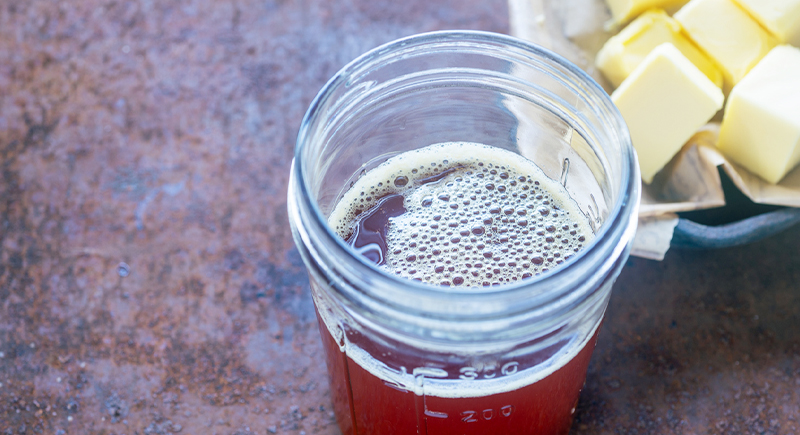
Image via iStockphoto/Premyuda Yospim
Brown butter, often referred to as beurre noisette, is emerging as a defining flavor of the year. Its appeal comes from depth. Nutty, caramelized, and aromatic, it complements a wide range of dishes, including baked goods, pasta, roasted meats, and breakfast items.
Unlike pistachio, burnt butter does not rely on color or trend signaling. It delivers flavor first. This change also signals renewed comfort with fat sourced from recognizable ingredients.
Alongside brown butter, interest continues to grow in premium dairy products, traditional animal fats such as beef tallow, and unrefined oils. The focus is not on indulgence for its own sake, but on confidence in ingredients that people understand and trust.
Fiber Takes Center Stage
While proteins have long dominated food messaging, fiber is now receiving sustained attention. Awareness about digestion, fullness, and long-term health has prompted fiber to become a regular topic in everyday conversations, and brands are responding accordingly.
Most people still fall short of recommended intake, and products in 2026 are designed to close that gap without turning meals into supplements.
Fiber-forward eating shows up through beans, lentils, seeds, vegetables, and whole grains woven into familiar formats. Hearty breads, legume-based pantry staples, grain salads, and even the return of the jacket potato point to a shift toward meals that satisfy physically and emotionally.
Snacks With Purpose
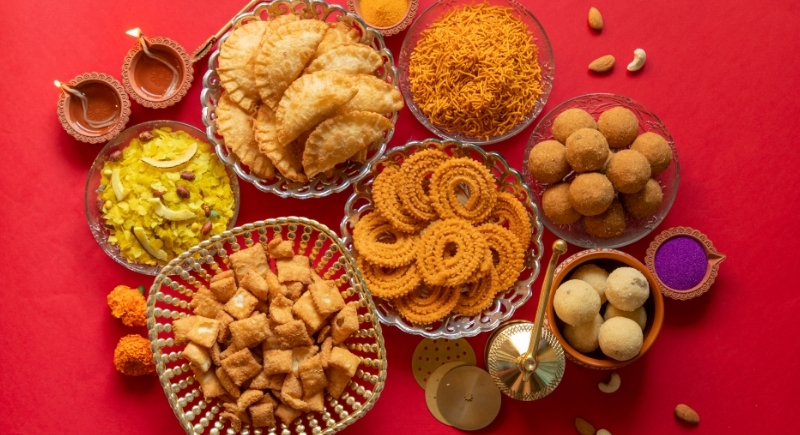
Image via Getty Images/CameraChemistry
Snacking continues to replace traditional meals, but expectations have tightened. In 2026, snacks are expected to earn their keep. Whether they stabilize energy, provide meaningful nutrition, or hold hunger at bay, snacks are no longer just filler.
Savory options are gaining ground, particularly those built from seeds, nuts, pulses, and grains. Smaller portions still matter, but ingredient clarity matters more. People want to know what they are eating and why it makes sense to eat it.
Protein Becomes More Practical
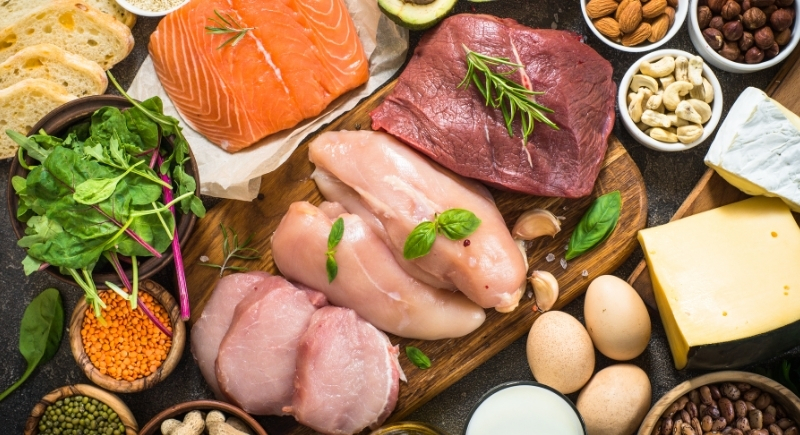
Image via Canva/nadianb
Protein is not disappearing, but its sources are changing. Rising food costs and growing skepticism toward heavily engineered meat alternatives are steering consumers toward simpler, more natural options.
Pork is gaining traction as a flexible, affordable protein, while shelf-stable seafood beyond tuna is seeing renewed interest.
Sardines, mackerel, and mussels are no longer treated as last-resort pantry items. Improved packaging, Mediterranean influence, and a cultural shift toward home cooking have repositioned them as desirable staples.
At the same time, interest in ultra-processed mock meats continues to soften as shoppers favor foods that feel less manipulated.
West African Ingredients Reach a Wider Audience
Global flavors are firmly established, but certain cuisines are finally stepping into broader visibility. In 2026, West African ingredients are poised for wider adoption as curiosity grows and retail access improves. These foods rely on bold but accessible flavors built around grains, spices, and everyday cooking techniques.
Fonio stands out as an example. This ancient grain cooks quickly, carries nutritional value, and fits seamlessly into existing meal patterns. Used in place of rice or quinoa, it introduces new culinary traditions without requiring new habits, making it an easy addition for home cooks.
Alongside this shift, American regional cooking and Mexican cuisine continue to evolve. Barbecue styles rooted in slow cooking and corn-forward Mexican dishes focused on ingredient quality are gaining ground, particularly in casual formats meant for sharing.
Functional Beverages Replace Traditional Energy Drinks

Image via Getty Images/KMNPhoto
The dominance of high-sugar, high-caffeine energy drinks continues to fade. In 2026, functional beverages focus on hydration, focus, and sustained energy.
Electrolytes, vitamins, probiotics, and plant-based caffeine sources like green tea or yerba mate define this category.
These drinks are framed as everyday companions rather than performance enhancers. They fit into workdays, workouts, and alcohol-free social settings without demanding commitment to a lifestyle label.
Mid-Strength Alcohol Finds Balance
Alcohol consumption continues to evolve, with growing interest in beverages that sit between full-strength and alcohol-free. Wines and beers with moderate alcohol content appeal to people who want flavor and ritual without excess.
Lighter wine styles, gently chilled reds, and beverages designed for midweek drinking align with a more measured approach to socializing. Drinking becomes something that fits into daily life.
Comfort Foods, Refined
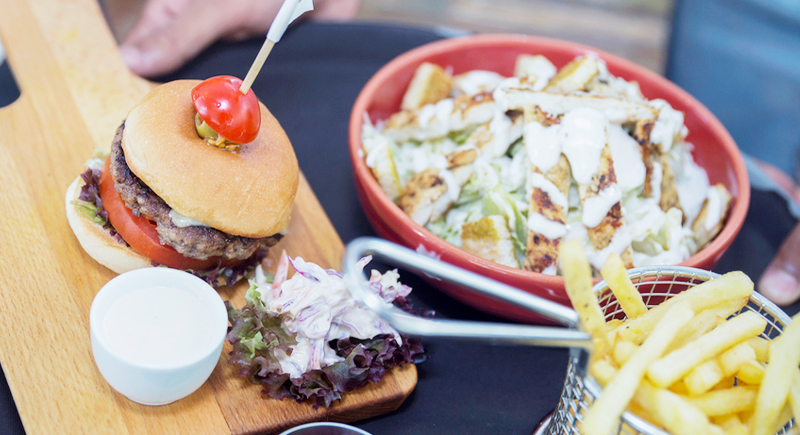
Image via iStockphoto/GCShutter
Familiar foods remain important, but the way they are treated is changing. Burgers, cinnamon rolls, tiramisu, Caesar salad, and similar classics continue to cycle back into favor, updated through ingredient quality and technique instead of shock value.
This return to familiarity speaks to a desire for reliability. When people do indulge, they gravitate toward foods they already know they enjoy, prepared with care instead of spectacle.
The Direction of 2026
As new preferences take hold, others fade. Pistachio remains present, but its role shifts from centerpiece to supporting player. Ingredients and formats that relied primarily on visual novelty or algorithm-driven hype are losing traction.
Some trends evolve instead of disappearing, such as Burrata giving way to stracciatella served on its own. Pickles retain popularity, and there’s now more focus on longevity.
Food culture in 2026 is to be shaped by restraint, confidence, and practicality. Successful ingredients will be those that fit into real lives.