Pasta Shapes Were Designed for Specific Sauces, Not Just Aesthetics
Italian cuisine recognizes more than 300 traditional pasta shapes, while global estimates exceed 500 and sometimes even higher, depending on classification. That level of variation did not happen for visual appeal; each curve, ridge, tube, and ribbon emerged from real cooking needs. Many home cooks still treat pasta shape as a preference choice, yet historical kitchens treated it as a compatibility decision. And this is why understanding the hidden logic changes how pasta works on the plate.
Pasta Shapes Started As Practical Engineering
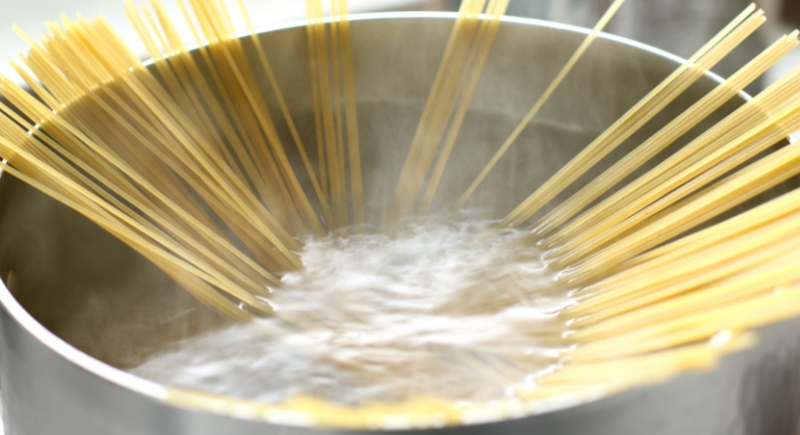
Image via Getty Images/zepp1969
Regional Italian cooking shaped pasta development long before modern factories existed. Local cooks built pasta around ingredients available nearby and the sauces common in their area. Tubular pasta gained popularity in regions known for slow-cooked meat sauces, while thin strands became common in coastal areas where olive oil and seafood dominated.
Historians place written pasta recipes in Italy as early as the 13th century, and over time, cooks refined shapes to solve practical problems. Wide noodles handled heavy ragù better, ridged tubes trapped small meat pieces, and small shapes worked inside broths without falling apart.
Sauce Grip Depends On Surface And Structure
Sauce interaction relies on three main factors: surface area, texture, and internal space. Wide pasta, like tagliatelle, gives thick sauces more surface area. Ridged pasta, like penne rigate, holds small ingredients in its grooves. Hollow pasta, like rigatoni, captures sauce inside the tube and on the outside at the same time.
Long, thin pasta behaves differently: spaghetti and linguine coat evenly with oil-based or light tomato sauces. These shapes create balance by spreading sauce across many strands, which keeps lighter sauces from feeling heavy.
Manufacturing is also important because bronze-cut pasta has a rougher surface that helps sauce stick. Smooth industrial pasta holds less sauce, which can alter the final dish’s texture even when recipes remain identical.
Stuffed And Small Pastas Follow Their Own Rules
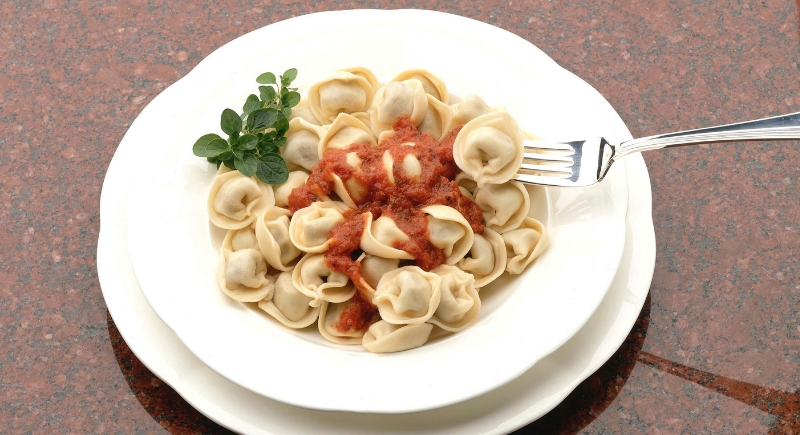
Image via Photo Images/Ablestock.com
Stuffed pasta completely shifts the focus away from the sauce. Ravioli, tortellini, and agnolotti already have a strong flavor. Light butter sauces, broth, or light cream allow fillings to stay dominant. Small pasta shapes solve different problems. Ditalini, orzo, and similar shapes stay stable in soup and distribute evenly in each spoonful. Their size keeps the broth balanced.