Paper Towel Dinners Are the Ultimate Weeknight Hack
Weeknight cooking often feels like a trade-off between time and effort, and many people default to takeout, even though it’s usually expensive and unsustainable. If you’re looking to break the cycle, a damp paper towel in the microwave can significantly shorten your cooking time. Using moisture to create steam speeds up cooking, reduces cleanup, and turns basic ingredients into a full meal with minimal preparation.
The Microwave Steam Method
Start with four medium russet potatoes. Pierce each potato several times with a fork to allow steam to escape. Wrap each one in a damp paper towel and place them in the microwave. Cook on high for 8 to 10 minutes, turning halfway through if your microwave does not rotate. The moisture trapped inside the towel creates steam that cooks the interior efficiently while keeping the skin from drying out.
Oven-baked potatoes typically require 45 to 60 minutes. The microwave produces a tender interior in a fraction of that time. After cooking, slice them open and use them as a base for a variety of meals.
Transfer the cooked potatoes to a baking dish and lightly mash them. Stir in 2 tablespoons of cream cheese, 2 tablespoons of mayonnaise, black pepper, and chopped parsley.
Add cooked bacon or shredded rotisserie chicken, then top with about 1 cup of grated mozzarella. Bake at 400°F for about 10 minutes, just until the cheese melts. Because the potatoes are already cooked through, the oven step only finishes and heats the toppings.
How Steam Speeds Cooking
Steam transfers heat more efficiently than dry air. When a damp paper towel surrounds the food, it traps moisture and evenly distributes heat. This reduces cooking time while helping food retain tenderness. It also minimizes the need for added oil and constant supervision.
Expanding Beyond Potatoes
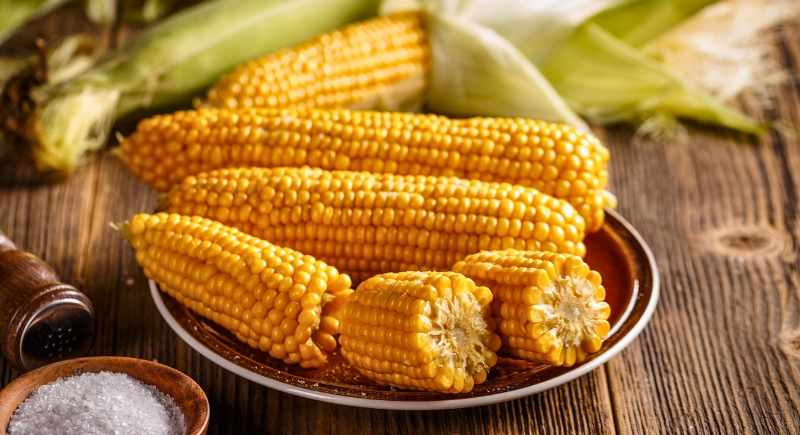
Image via Getty Images/grafvision
This technique applies to more than potatoes. Corn on the cob wrapped in a damp paper towel usually cooks in 3 to 4 minutes. Broccoli and green beans steam in about 3 to 5 minutes, depending on quantity. After cooking, they can be seasoned or incorporated into other dishes.
Sweet potatoes respond especially well to microwave steaming. A medium sweet potato cooks in roughly 8 to 10 minutes and can be topped with black beans, salsa, yogurt, or shredded cheese for a balanced dinner.
Leftover rice also benefits from added moisture. Covering a bowl of rice with a damp paper towel before reheating helps restore softness and prevents uneven heating.
Using Prepared Ingredients Strategically
The microwave steam technique pairs well with convenient grocery items. A store-bought rotisserie chicken provides ready-to-use protein. Bagged salad kits reduce chopping time. Canned beans, jarred sauces, and pre-shredded cheese simplify assembly.
For example, a steamed sweet potato can be split and topped with black beans and salsa in under 15 minutes. A microwaved potato can be filled with leftover chili and shredded cheese for a filling meal that requires very little additional cooking.
Reducing Cleanup and Controlling Cost
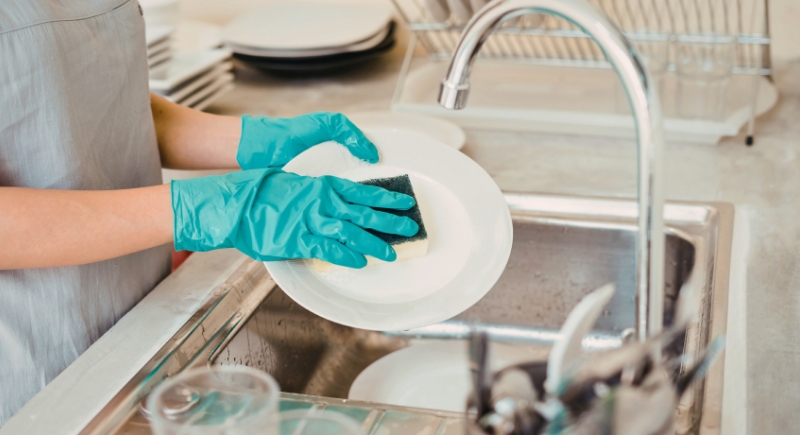
Image via Canva/Chirila Sofia’s Images
This method limits dishwashing. There is no large pot to scrub and no sheet pan to clean. Most of the cooking is done in the microwave, and the paper towel absorbs excess moisture.
Preparing meals this way also helps control expenses. Delivery fees and restaurant pricing increase the total cost of takeout. Cooking at home allows control over ingredients and portion sizes while still keeping preparation efficient.