Things You Probably Didn’t Know About Old-School Phones
Before phones fit in our pockets, they sat on counters and hung on walls. Old-school landlines shaped how people socialized and even decorated their homes. Rules and physical quirks made the experience entirely different from today’s instant communication. For younger generations, much of this is unknown territory.
Cords Were Built to Last

Credit: pexels
Those spiral cords stretching across hallways were surprisingly resilient. Instead of the thin wires in today’s charging cables, they use tinsel wiring, which gave them their superpower. They didn’t snap under pressure and could survive years of fidgety finger twirls and kitchen detours.
Rotary Dials Made Accidents Rare
Credit: Getty Images
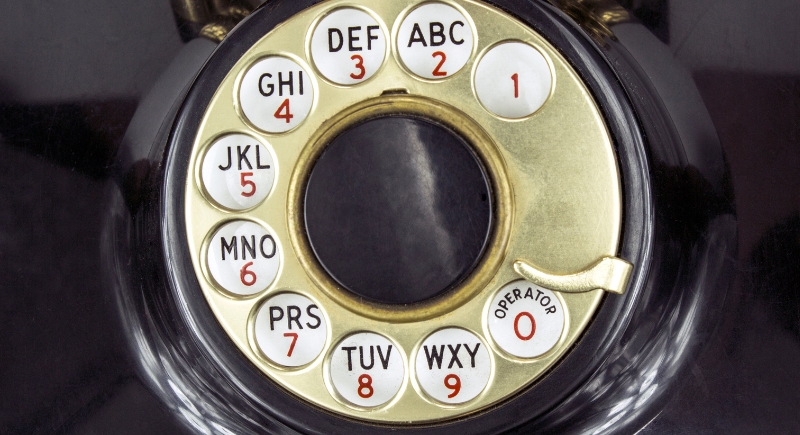
You couldn’t randomly call anyone with a rotary phone. Each number required a full turn and reset, so you couldn’t just bump it and dial by mistake. This built-in slowness added intention to every call, especially if you compare it to push-button phones.
Phones Were Heavy on Purpose
Credit: Canva
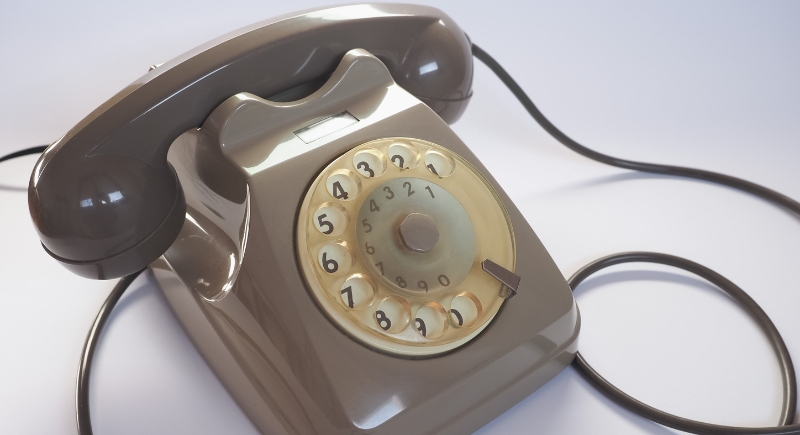
That receiver’s weight wasn’t just leftover bulk. Designers intentionally added heft so the phone could rest comfortably between your shoulder and cheek. This came in handy during multitasking moments or long storytelling sessions. Once phones got lighter, people either had to hold them or invent hands-free gadgets.
Party Lines Were Shared
Credit: pixabay
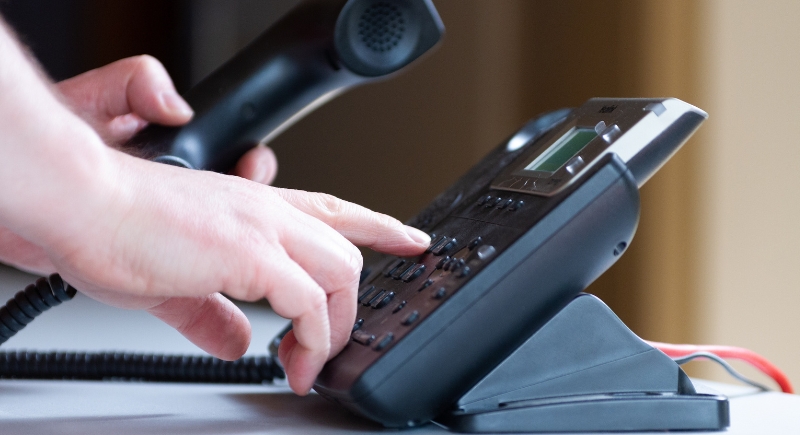
In the early days, privacy wasn’t guaranteed. Households often shared lines with neighbors—literally. If you picked up the phone and someone else was already on it, you could listen to the conversation. Eavesdropping happened, sometimes deliberately, sometimes not. It was community tech with a side of gossip, and it made for some very careful conversations.
Phones Doubled as Furniture
Credit: Getty Images
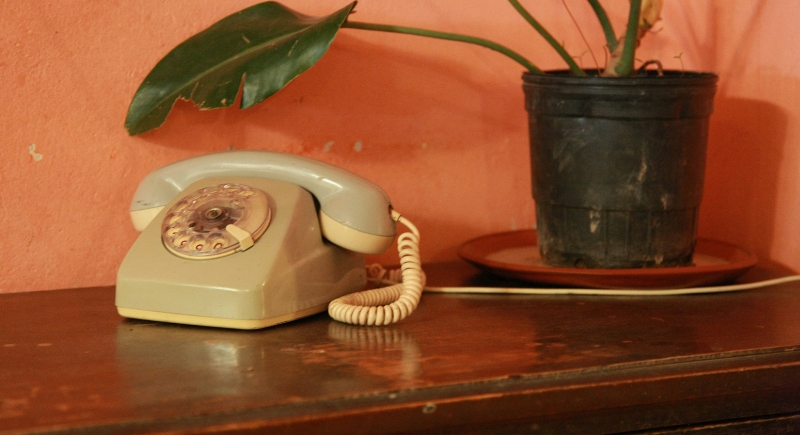
Many households had a “phone table” or a built-in nook specifically for the family phone, often with a seat and a notepad for taking messages. The phone became a sort of home hub. You took calls there, left notes, and maybe even waited your turn while someone else chatted too long.
Ringtones Were Mechanical
Credit: Getty Images
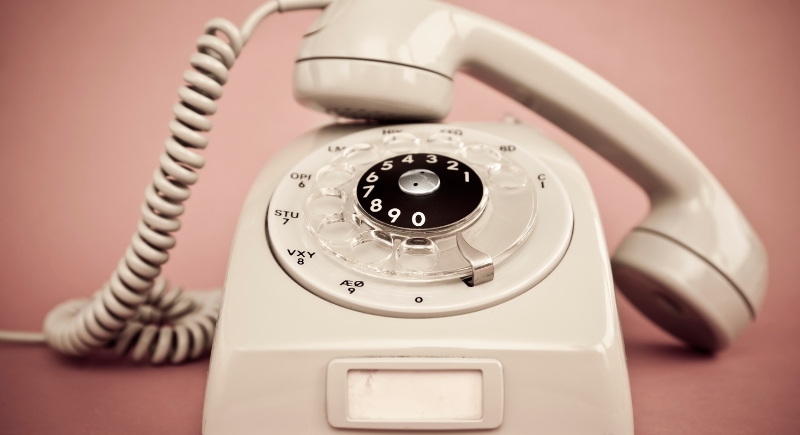
The sound of an old phone wasn’t a digital tone at all. Inside the casing, a hammer struck a pair of metal bells, and the clang carried through the house. It was loud enough to cut through dinner or wake the dog. When that bell went off, someone always picked up.
Wall Phones Came With a Stretch Goal
Credit: Getty Images
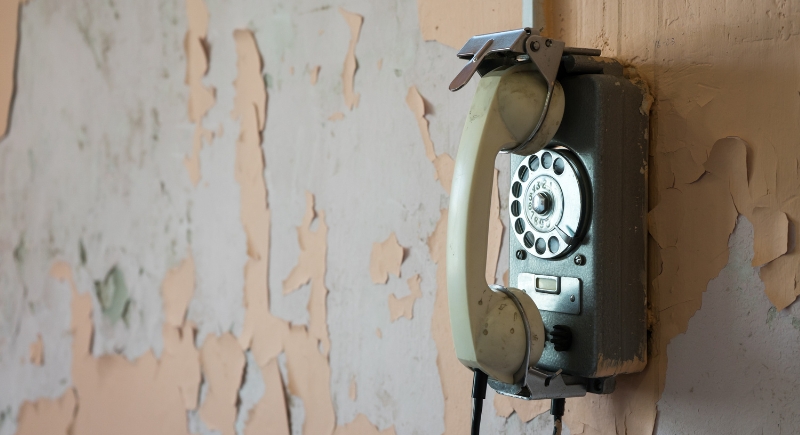
Wall-mounted phones had extra-long cords so you could stir a pot in the kitchen or sneak privacy around the corner while on a call. The extra length added more practicality to the design. The cord tangled like crazy, but the range was unbeatable.
Long-Distance Was a Luxury

Credit: Canva
Calling another state wasn’t a casual move. It cost money, and sometimes a lot. Most families reserved long-distance calls for holidays, big announcements, or actual emergencies. If you did call, you often talked fast. There were even “collect call hacks” where people squeezed whole messages into the part before accepting charges. Every second mattered.
Numbers Were Words Too
Credit: Getty Images
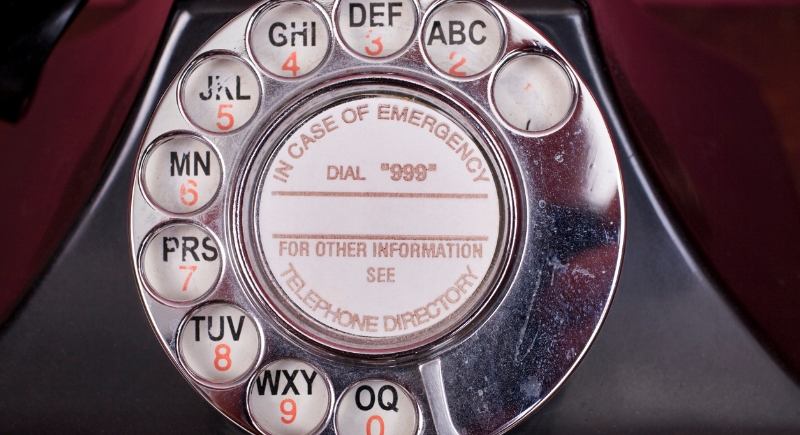
Before numbers took over completely, phone exchanges used letter codes tied to locations, like “KLondike 5” or “PEnnsylvania 6.” The first two letters matched dial numbers, making the full number easier to remember. It gave phone numbers a personality, almost like zip codes with flair. Local identity played out right in your contact list.
Hanging Up Meant Slamming Down
Credit: Getty Images
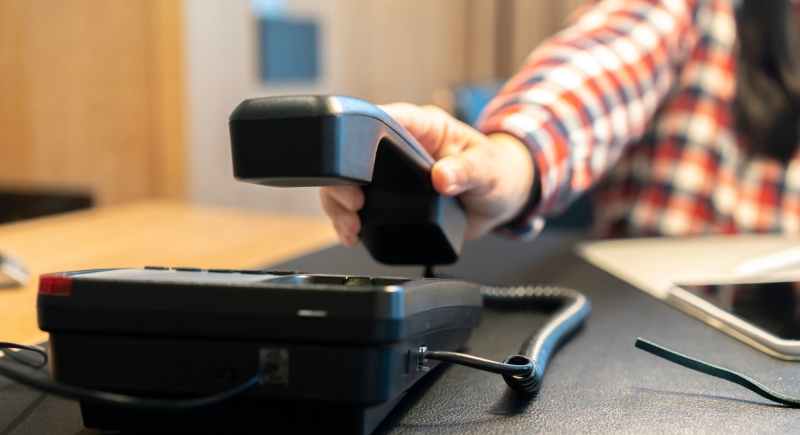
Ending a heated call was way more dramatic with a heavy handset. You could literally slam it into the cradle and let it clack shut. If someone annoyed you, you could punctuate your irritation with a loud clack. The sound had weight. It was final. And frankly, it was way more satisfying than tapping “end call.”
Some Phones Had Locking Dials
Credit: pexels
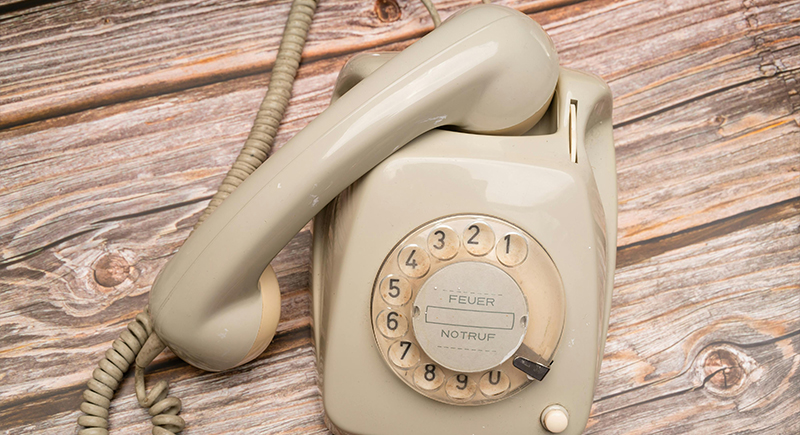
Rotary phones could be fitted with small locks that blocked the dial from turning. Parents used them to stop kids from sneaking calls, and businesses used them to cut down on misuse. Simple and cheap, it was an early version of access control—long before “parental controls” became a tech feature.
Cord Colors Were a Status Symbol
Credit: Wikimedia Commons
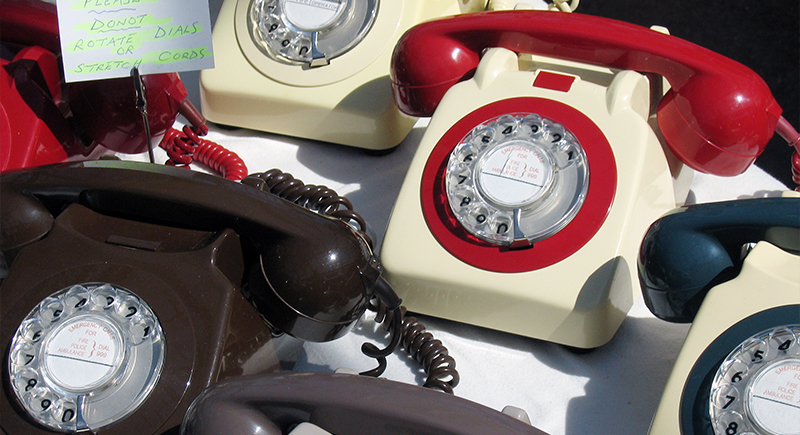
In the ‘60s and ‘70s, you could request colorful cords and handsets to match kitchen appliances. You could go pink, avocado green, or harvest gold. It was a flex as if you’ve picked up a vibe for your space. It was the original tech-personalization move, and not everyone could pull it off.
Answering Machines Were Tapes
Credit: Getty Images
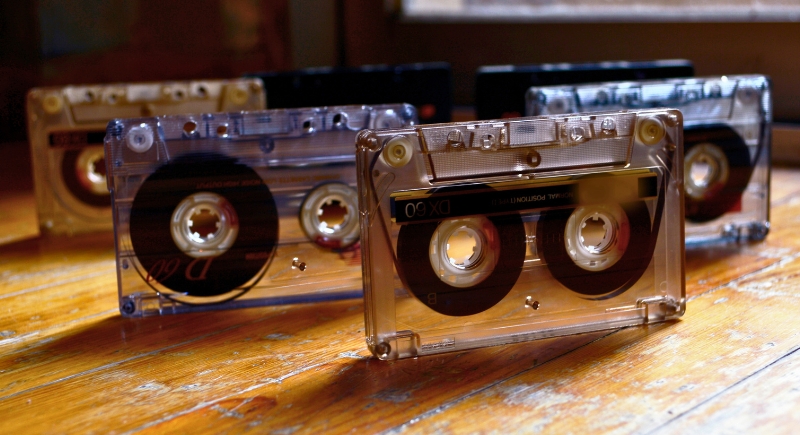
Before digital voicemail, messages went on magnetic tape. Some machines used standard cassettes, others tiny reels. You’d rewind, fast-forward, or flip sides just to hear them. The audio was scratchy, the tapes wore down, and jams were common. Still, owning one meant your house had stepped into a new tier of convenience.
Some Phones Came With Cranks
Credit: Wikimedia Commons
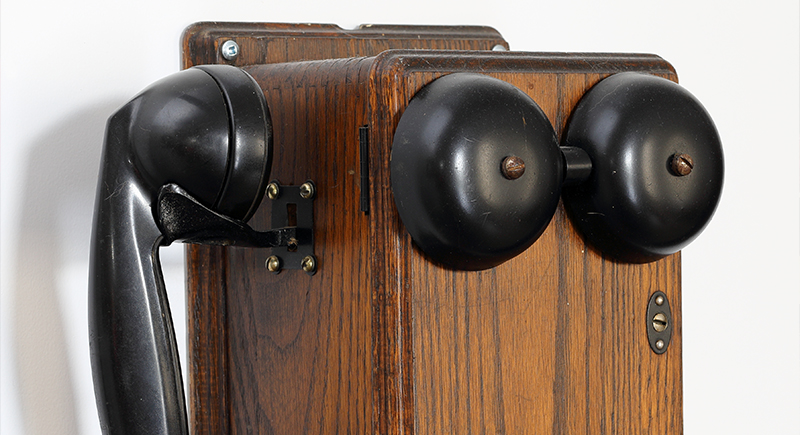
The earliest telephones had no direct line. To place a call, you turned a side crank that sent a signal to the operator. Only then could the connection be made. It was less like dialing and more like starting up a machine, a reminder that talking by wire was still a novelty.
Emergency Calls Didn’t Always Exist
Credit: Getty Images
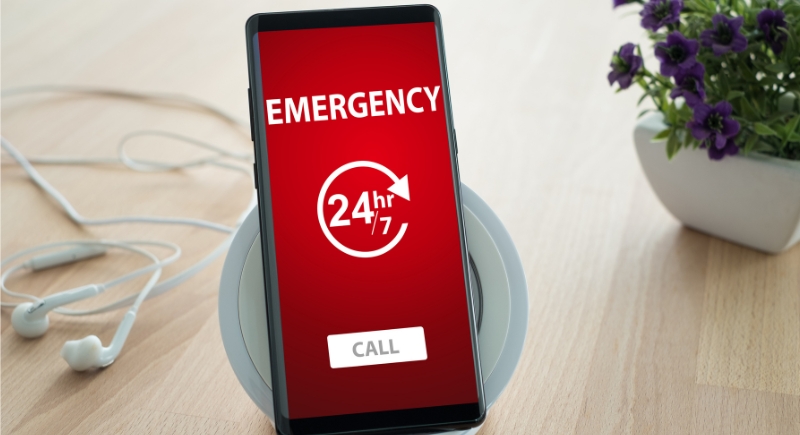
Dialing 911 wasn’t always a thing. That emergency shortcut didn’t become standard nationwide until the late 1960s. Before then, you had to remember (or look up) the number for local fire, police, or medical help. Knowing your city’s direct lines was crucial when you picked up the phone.