New Jersey’s Most Iconic Food Remains a Classic Diner Staple
New Jersey does not lack famous foods, yet only one dish captures the state’s diner culture in a single bite: disco fries. Disco fries are built on three parts that rarely fail when combined correctly. This includes hot and crisp fries, followed by gravy, poured generously enough to coat without turning the plate into soup, and melted mozzarella to finish the job.
It’s somewhere between an indulgent snack and a full meal, which explains why it appears as both a side and a main dish at diners across New Jersey. Unlike trend-driven loaded fries that pile on toppings until the fries disappear, disco fries avoid garnishes that pretend to add balance.
Late Nights Built the Reputation
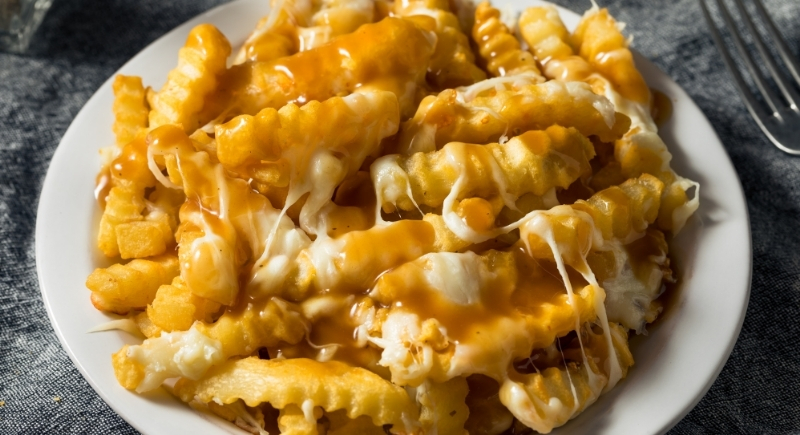
Image via Getty Images/bhofack2
Having been popular since the 1970s, disco fries became a staple because of timing as much as taste. During the height of the disco era, New Jersey diners stayed open while clubs emptied. Crowds looking to sober up or extend the night found something hot, filling, and fast. Fries topped with gravy and cheese checked every box. Even as music scenes shifted and nightlife spread, the diner remained a constant, and disco fries followed suit. They moved easily from post-club food to everyday comfort.
A New Jersey Original With Shared Roots

Image via Getty Images/Sean Pavone
The dish often draws comparisons to Canadian poutine, and the overlap is obvious: fries, gravy, and cheese. But the difference lies in execution because poutine relies on cheese curds that hold their shape. Disco fries’ cheese is usually melted mozzarella.
Many point to Tick Tock Diner as an early home of disco fries. The diner opened in 1948 and gained a reputation as a late-night stop near New Jersey’s club circuit. While no single origin story has been locked down, the dish’s lack of a neat beginning fits it.
Still Standing While Trends Rotate
In recent years, fast-food chains have cycled through loaded fry concepts with aggressive marketing and short shelf lives, but Disco Fries ignores that churn. They do not need rebranding or seasonal hype because they already occupy a permanent slot where they belong.
This explains why disco fries remain tied to diners rather than chains. The dish thrives in places built for regulars. It reflects a food culture that values reliability over reinvention.