Master the Art of Fragrance Shopping with These Insider Tips from a Parisian Expert
French fragrance expert Clémence Pelle has spent years studying perfume chemistry, working with luxury houses, and tracking fragrance trends online. Her biggest takeaway sounds almost too simple: Parisian perfume culture runs on restraint. The right scent should pull people closer, not announce itself across the room. This mindset changes things once someone steps inside a Paris perfume boutique. Suddenly, the pressure to smell every bottle fades, and the shopping process starts to feel like a conversation.
Paris Perfume Culture Runs on Subtlety
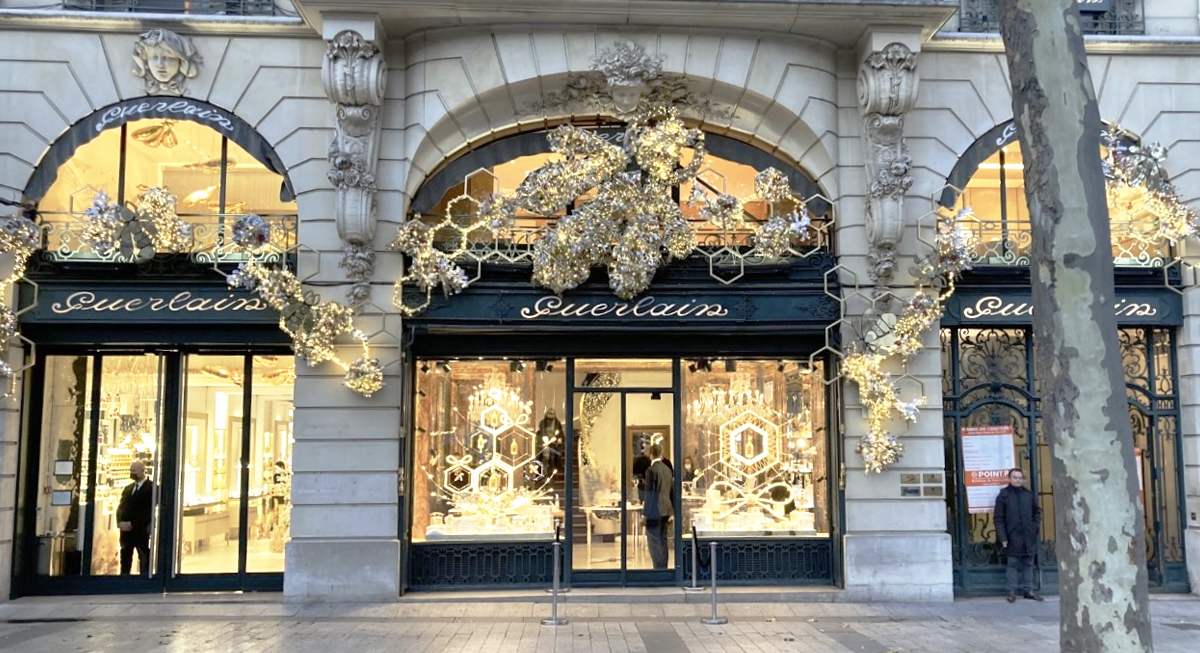
Image via Wikimedia Commons/Thomon
Paris helped turn perfume into a global luxury business long before niche fragrance brands took over social media feeds. Historic houses like Guerlain and Chanel shaped the city’s reputation, while newer brands continue to push fragrance culture in fresh directions. Still, one habit continues to define the Parisian approach: lighter scents win.
Clean-smelling fragrances with soft musk, powdery notes, fresh laundry accords, and skin-like finishes have become especially popular in Paris. Pelle says French shoppers usually avoid anything too dense or overpowering. Even classic scents tend to get worn with a lighter hand.
That explains why perfume application matters almost as much as the fragrance itself. French women often spray perfume on pulse points like the neck and behind the ears, letting body heat gradually develop the scent through the day. The old Coco Chanel advice about applying fragrance where someone might kiss you still floats around Paris perfume culture today.
One thing many locals avoid is rubbing wrists together after spraying perfume. Many fragrance enthusiasts believe it disrupts the scent’s structure before it fully settles.
The Fastest Way to Ruin a Perfume Shopping Trip
Paris has hundreds of fragrance stores packed into neighborhoods like Le Marais and streets like Rue Saint-Honoré. That sounds exciting until sensory overload kicks in 20 minutes later. Pelle recommends testing only three to five fragrances during a visit. Anything beyond that starts to blur together, especially once heavier notes begin to dry down on the skin.
That dry-down stage is very crucial. A perfume can smell bright and sharp during the first spray, then soften into something warmer after 20 minutes. Paris perfume consultants often encourage customers to walk around before making a decision instead of buying immediately.
The slower pace also changes how stores operate. Many Paris boutiques expect shoppers to greet staff before reaching for bottles. Sales associates frequently act more like fragrance guides than retail clerks, especially inside niche perfumeries.
At places like Jovoy and Nose, the focus shifts toward discovery. Staff members often build recommendations around moods, memories, fabrics, nightlife, or even music, rather than handing customers a bestseller list.
The Shops That Keep Fragrance Lovers Coming Back
Large department stores still play a major part in Paris perfume shopping. Galeries Lafayette Haussmann remains one of the easiest places to compare luxury fragrance houses in one stop. But smaller boutiques tend to create the stories travelers remember afterward.
Officine Universelle Buly leans into an old-world apothecary atmosphere with water-based perfumes, engraved accessories, and vintage-style packaging. Parfumerie Marie Antoinette has earned attention for its deeply personal fragrance consultations, while Univere Parfumerie attracts shoppers searching for newer niche brands and trend-forward scents.
Then there are stores trying to turn perfume shopping into a full-sensory experience. At L’Orchestre Parfum, music pairs with fragrance selections to shape the mood around each scent. Some boutiques even serve cocktails while customers test perfumes.