London Just Beat Every Other City to Become the #1 Food Destination
Food now ranks as a primary reason people book flights, with about 46 percent of travelers saying cuisine sits at the top of their excitement list when planning trips. Millions of global reviews inform travel rankings each year, and fewer than 1% of destinations ever reach the highest award tier. One major capital recently pulled ahead of long-time food powerhouses, which surprised travelers who usually think Italy, France, or Japan are at the top when it comes to global dining prestige.
The Ranking That Changed Global Food Travel

Image via Wikimedia Commons/Travelarz
TripAdvisor’s 2026 Travelers’ Choice Awards analyzed roughly eight million reviews across 12 months covering about 60 countries and hundreds of destinations. The “Best of the Best” category recognizes places that earn sustained high praise across large volumes of traveler feedback.
London secured the top spot as a food destination, beating Dubai, Rome, Hong Kong, and Paris. These rankings measure consistent satisfaction across price ranges and dining styles, so it’s not just about elite restaurants. It reflects how visitors eat throughout their trip, including markets, neighborhood restaurants, and casual street food stops.
The result also aligns with other global recognition. Several London restaurants appear on global lists such as La Liste, and the city is home to multiple Michelin-starred restaurants. Multiple ranking bodies pointing in the same direction add credibility to the shift.
Diversity Became The Real Competitive Advantage
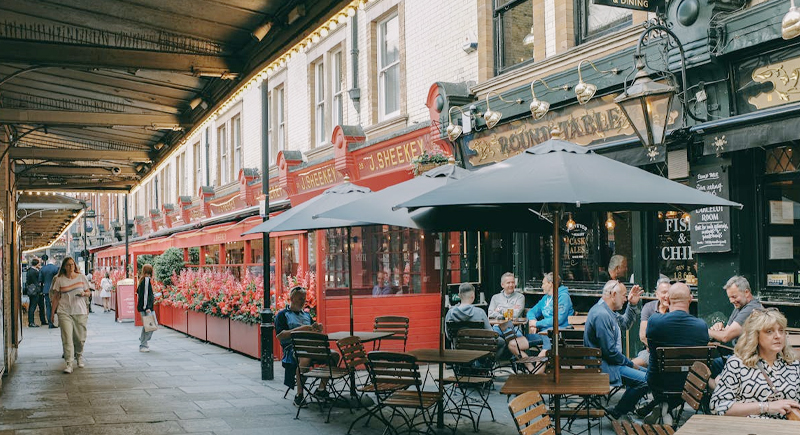
Image via Pexels/Huy Phan
London’s biggest advantage is its variety, tied to its migration history. Travelers can eat authentic regional food across dozens of cultures within a single day. The global mix helped push the city past traditional European food capitals that still rely heavily on their legacy cuisine reputation.
Neighborhood restaurants now carry equal weight alongside high-end dining. Review data shows that visitors care about everyday food quality as much as they do about special-occasion meals. Local Korean restaurants, Malaysian street food counters, historic Jewish bakeries, and classic British pubs all contribute to the city’s global food identity.
Markets And Casual Dining Helped Drive The Win
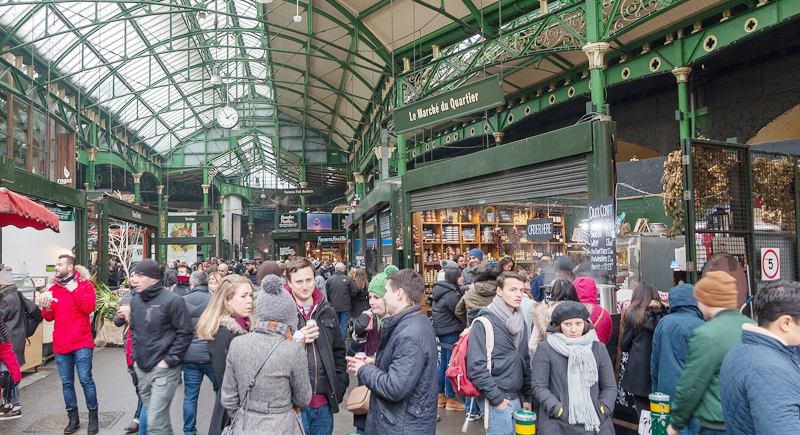
Image via Wikimedia Commons/Øyvind Holmstad
Food markets play a huge role in how visitors explore London. Major markets offer concentrated access to global dishes without the need for expensive reservations. Travelers can sample Greek street food, dumplings, artisan cheeses, and desserts within one visit.
Casual dining also draws long lines. Shops serving flatbreads, dumplings, and street snacks routinely earn high review scores.
The city also combines food with entertainment and social life. Pub culture still anchors local dining habits. Afternoon tea remains a visitor ritual. Cocktail bars and late-night eateries keep food tied closely to lifestyle.
Legacy Food History
London still maintains a traditional food identity alongside global influences. Pie and mash shops, salt beef bagel counters, and classic curry houses still operate across the city. These historic staples add cultural depth that many modern food hubs struggle to match.
Visitors can eat Michelin-star Mexican cuisine at night and grab historic working-class British comfort food the next morning. Food-focused tourists, casual travelers, and business visitors all find strong dining options that match their expectations.