Korean Restaurant Bans Solo Diners to Avoid ‘Selling Loneliness’
A handwritten sign taped to a restaurant door became the center of a national conversation. In a coastal South Korean city, a noodle shop posted a short message that caught immediate attention: “We don’t sell loneliness. Please don’t come alone.” The reaction was swift and intense, spreading far beyond the neighborhood. Within days, the sign turned into a flashpoint for debates about modern life, social expectations, and the meaning attached to eating alone.
At its core, the controversy was never just about a meal.
The Sign That Sparked a Backlash
The restaurant’s notice laid out four options for solo diners. Pay for two servings. Eat two servings. Call a friend. Or return next time with your wife. The final line delivered the message clearly: “We don’t sell loneliness.”
Photos of the sign spread rapidly online. Many readers described the tone as dismissive and out of step with current lifestyles. Others questioned why eating alone was being framed as a social problem rather than a personal choice.
The response escalated quickly. Thousands of comments criticized the wording, and news outlets across Asia picked up the story as a clear signal of changing dining habits colliding with older attitudes.
Solo Dining Is Now Part of Everyday Life
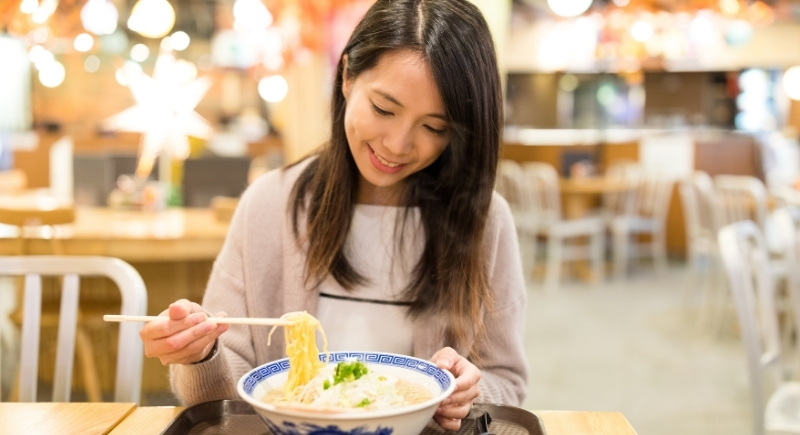
Image via Canva/Leung Cho Pan
In South Korea, eating alone is common enough to have its own name: honbap. What once felt unusual has become routine, especially among younger adults, office workers, and older residents living by themselves.
Single-person households have grown rapidly over the past decade. In Seoul, they now account for nearly four out of ten homes. That shift naturally shows up in restaurants, cafes, and lunch spots across the city.
Similar patterns appear globally. In major US cities, close to half of sit-down restaurant visits involve one person.
In Australia, solo diners make up roughly 40 percent of food-service traffic. Surveys point to practical reasons: flexible schedules, workday meals, travel, and a preference for quiet time. For many people, dining alone simply fits the rhythm of daily life.
Why Some Restaurants Resist the Trend
Behind the scenes, restaurant owners face mounting financial pressure. Rising ingredient prices, higher wages, and tight margins leave little room for inefficiency.
Industry groups in South Korea have explained that a single diner occupying a larger table during peak hours can reduce overall revenue. For small restaurants still recovering from pandemic-era losses, every seat matters.
That reality helps explain why some establishments set minimum orders or discourage solo guests. Still, many critics argue that business concerns can be addressed without language that frames solitude as a social flaw.
Being Alone Has Taken on New Meaning
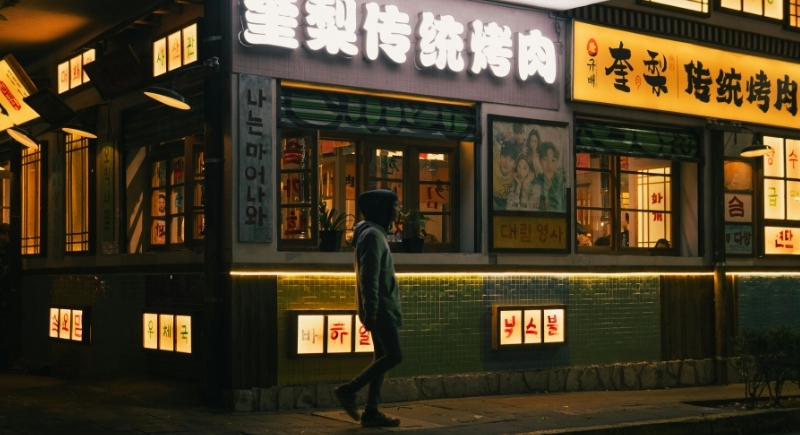
Image via Pexels/Diana Reyes
The phrase “selling loneliness” struck a nerve because it echoed an older belief that being alone signals something missing. Research paints a different picture.
Psychologists distinguish between loneliness and intentional solitude. Chosen time alone has been linked to lower stress, better emotional balance, and improved focus. For many diners, a solo meal represents calm, autonomy, and personal space.
This gap between perception and reality fueled much of the backlash. The sign was read less as a policy and more as a judgment about how people live.
A Dining Culture Adjusting in Real Time
South Korean food culture has long centered on sharing dishes and eating together. Those traditions remain strong, yet everyday life has changed quickly.
Restaurants now operate at the intersection of tradition and modern habits. Some adapt with counter seating, smaller portions, or menus designed for one. Others hold onto older expectations, hoping diners still arrive in pairs or groups. The Yeosu noodle shop became a symbol of that moment of adjustment.