Keep These 15 Things Out of Your Dishwasher
Dishwashers make life easier, but they aren’t built to handle everything in the kitchen. Some items wear down, have the potential to damage your appliance, or just stop working altogether.
Here are a couple of everyday tools and cookware that might seem dishwasher-friendly, but should not be placed inside the dishwasher.
Wooden Cutting Boards
Credit: Getty Images
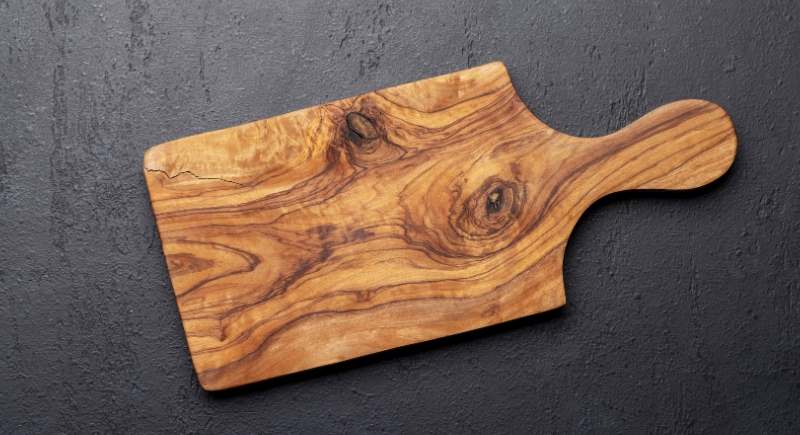
A dishwasher rinse strips away the oils that protect wooden cutting boards. Without that barrier, boards crack and warp easily. Deep grooves also form faster and trap food and bacteria. Washing by hand preserves the surface longer. Scrub with hot, soapy water and rinse well.
Fine China

Credit: Getty Images
Putting fine china through the dishwasher is a fast way to wear down painted designs or metallic trim. These details don’t hold up under hot water and strong detergent. Over time, the artwork fades or peels off completely. Chips and cracks are also common when delicate dishes knock into others during the wash cycle.
Cheese Graters
Credit: pexels
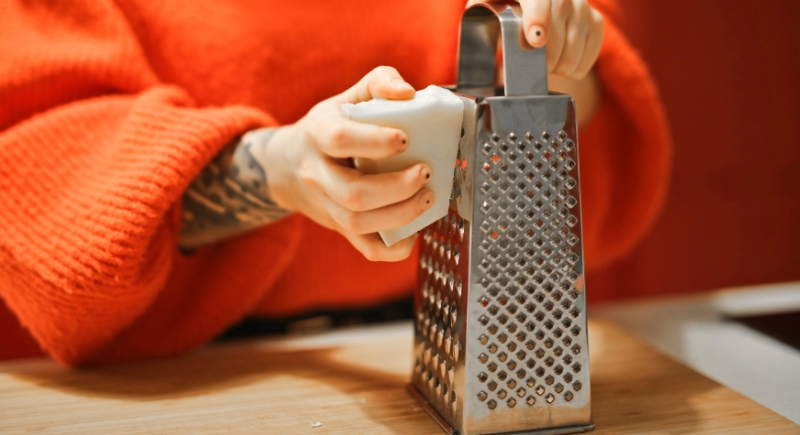
Even after a wash, cheese graters may have food stuck in the holes. The spray jets can’t fully reach into those sharp, narrow spaces. As that buildup hardens, it becomes harder to clean and may transfer old flavors into new food. This is why it is best to wash graters by hand with a stiff brush or sponge immediately after use.
Insulated Mugs
Credit: pexels
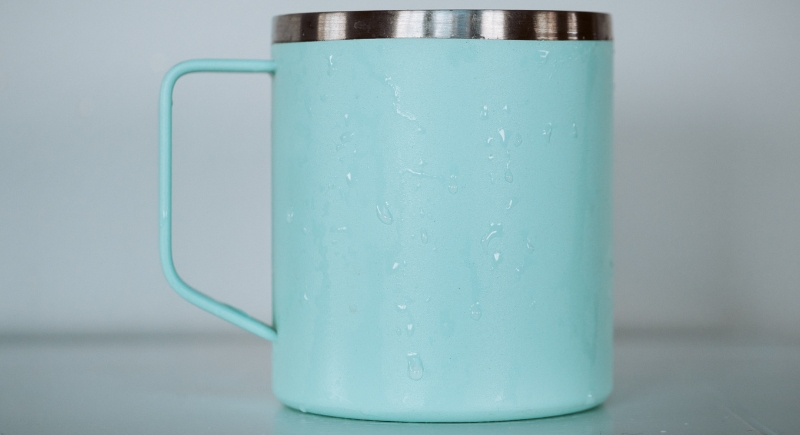
The reason why your insulated travel mugs keep your drinks hot or cold is because of a sealed vacuum layer. When water from the appliance slips into that space, the seal breaks. You might not notice the change right away, but the mug will slowly lose its function. Many also have lids with small vents or rubber parts that collect water or detergent.
Mechanical Tools
Credit: pixabay
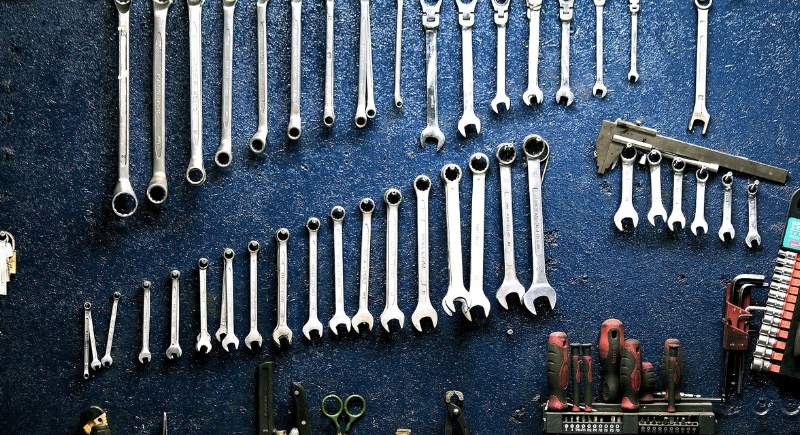
Never take a risk with kitchen tools with moving parts, like food mills or meat grinders. Water collects inside the joints, gears, and small spaces, where it doesn’t dry out properly. That trapped moisture leads to rust and clogging. If the item comes apart, clean each piece separately with a soft brush and mild detergent.
Cast Iron

Credit: Getty Images
Clean cast iron using coarse salt with warm water, then thoroughly dry it before applying a light coat of oil. If you try to use a dishwasher, it will break down the seasoned surface, which protects the pan and keeps food from sticking. Once that layer is gone, rust sets in quickly, and the cooking surface becomes uneven.
Wooden Utensils

Credit: Canva
Heat and prolonged moisture cause wooden spoons and spatulas to warp, split, or become rough to the touch. Water seeps into the grain and dries unevenly, which leads to cracks and surface damage. Eventually, they lose their shape and become uncomfortable to handle.
Crystal
Credit: Getty Images
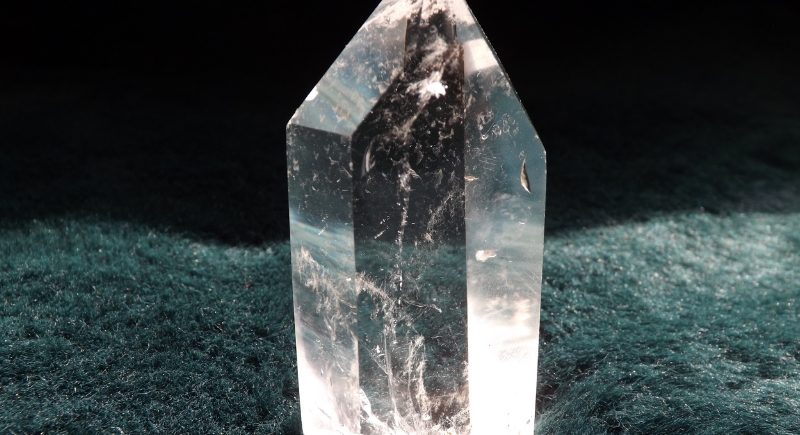
Have you ever noticed a once-clear crystal glass start to look dull or foggy? That cloudy finish usually means the surface has developed fine fractures from repeated exposure to warmth and minerals within a dishwasher. These tiny cracks scatter light and permanently change the appearance.
Knives
Credit: AlexKosev
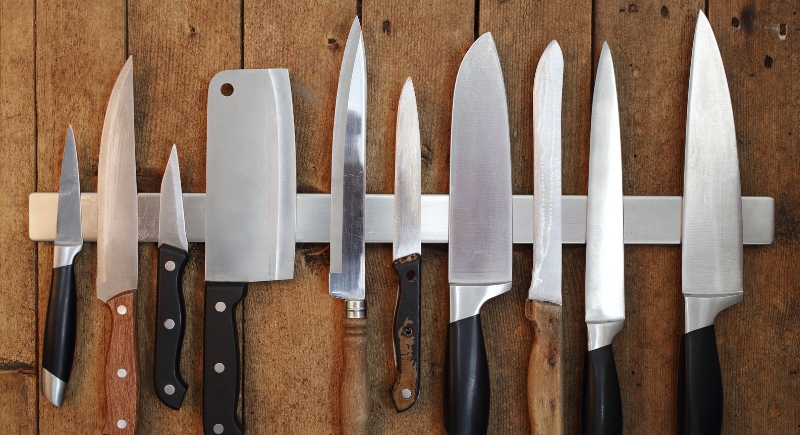
Don’t toss sharp knives in with the rest of the dishes. High heat and strong detergent wear down the blade quickly. Wood handles can crack, and plastic ones may warp. There’s also the risk of a knife shifting and damaging the dishwasher interior.
Aluminum Cookware
Credit: Africa images
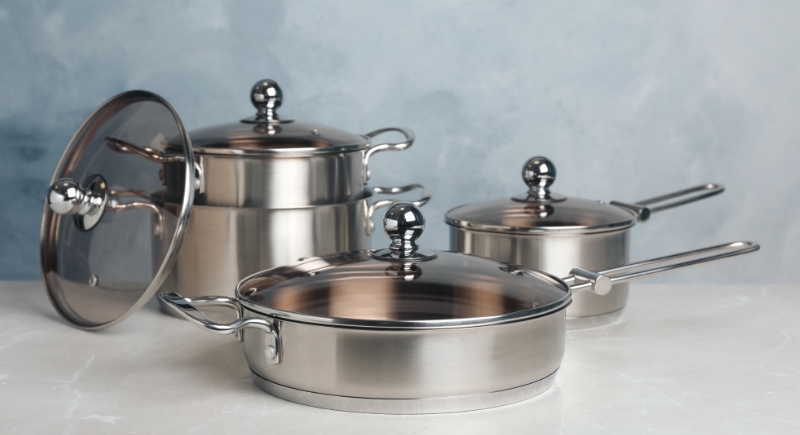
Try placing aluminum pans in the dishwasher and watch them come out looking discolored. The detergent reacts with the surface and leaves behind white spots or a gray film. That dull coating doesn’t wash off easily and may affect cooking performance. If your aluminum pans aren’t anodized, avoid machine washing entirely.
Nonstick Pans
Credit: Getty Images
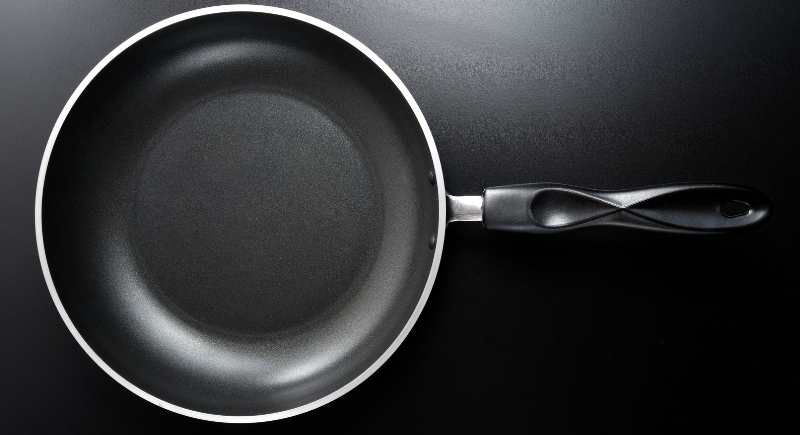
While a nonstick pan might survive one dishwasher cycle, repeated washes destroy the coating. The nonstick surface erodes under high heat and harsh detergents, which leaves patches that stick and eventually flake. That debris can also end up in your food. Ingesting those flakes may expose you to synthetic compounds that are difficult for the body to break down and have been linked to long-term health concerns.
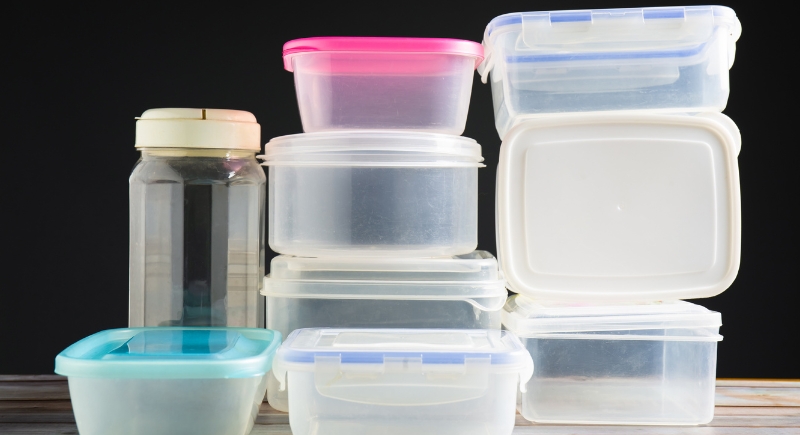
Plastic Containers
Credit: Getty Images
Warping may be minor at first, but eventually the lids of your plastic containers stop fitting properly. That affects how well it stores food or reheats it later. Some plastics also absorb food smells or release chemicals as they degrade. Look for a “dishwasher-safe” label.
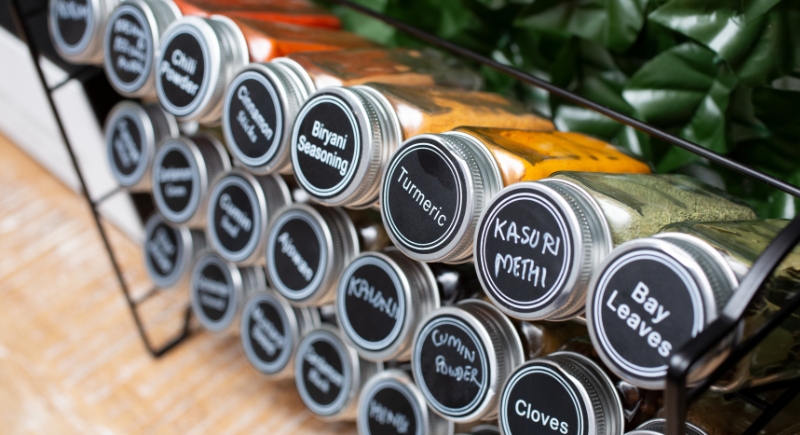
Labeled Jars
Credit: Getty Images
It is suggested that paper labels be removed from jars before washing; otherwise, the label will peel off mid-cycle and float around. It then starts sticking to dishes or clogging the filter. The adhesive softens due to high temperatures and leaves behind a sticky residue that’s tough to scrub off.
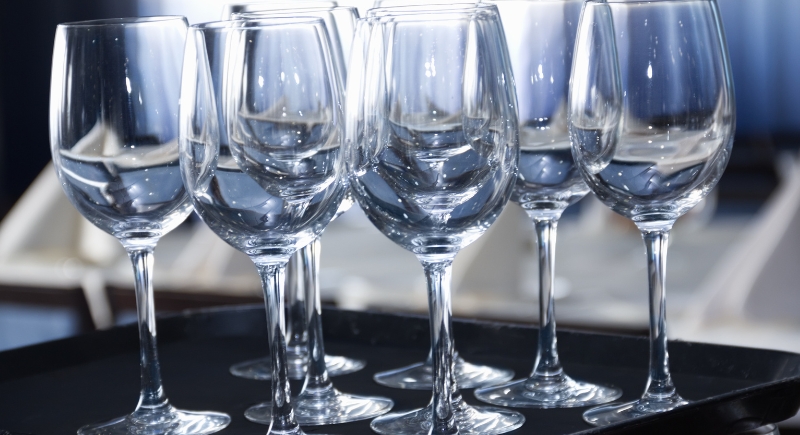
Stemware
Credit: Getty Images
Long-stemmed wine glasses tip, clink against other dishes, or even fall during the wash cycle. As a result, you may notice cracks, chips, or complete breakage. The pressure of hot water also makes the glass more brittle over time. To be on the safe side, clean your stemware using only a soft cloth and warm water.
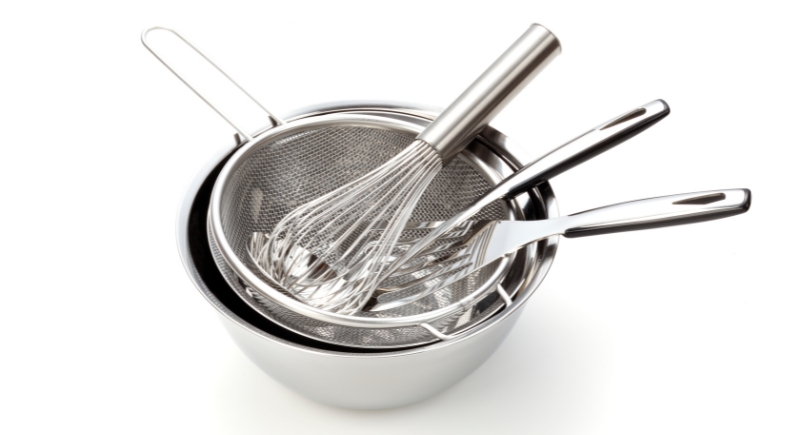
Hollow-Handled Utensils
Credit: Getty Images
Avoiding the dishwasher helps hollow-handled utensils last much longer. During a wash cycle, water tends to slip inside the sealed ends and doesn’t fully evaporate, which can lead to rust or mold. In some cases, trapped moisture can cause pressure buildup when reheated. Handwashing prevents these issues entirely.