Is the ‘Fibermaxxing’ Trend Actually Good for You? Here’s the Case For It
A new health trend taking over social media has promised to be the one simple trick to change everything. It’s called “fibermaxxing” and suggests that the key to better health is to pack as much fiber as possible into your diet. This trend has everyone wondering whether the practice is actually a step toward better health. Some people say it’s the simplest wellness hack yet, while others warn it could be a dangerous extreme. So, which is it?
The Undeniable Power of Fiber
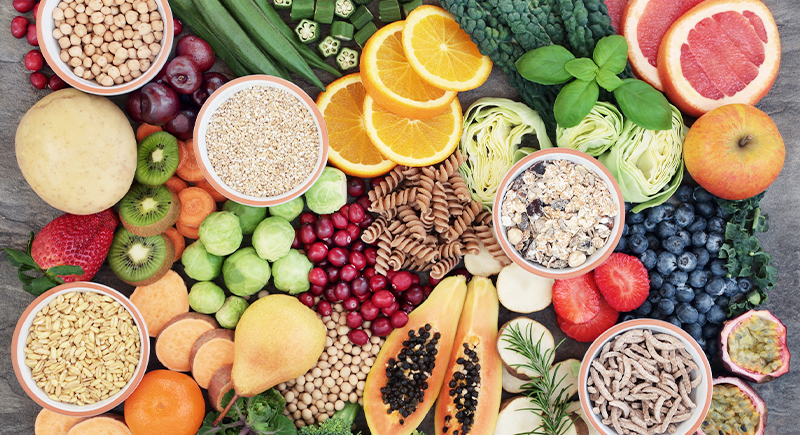
Image via iStockphoto/marilyna
The excitement around fiber is well-deserved, and the reasons are well-documented.
Fiber supports a healthy digestive system. One type of fiber, soluble fiber, acts as a prebiotic by feeding the healthy bacteria in your gut. These bacteria then produce beneficial compounds called short-chain fatty acids, which nourish the colon and help reduce inflammation. Another type, insoluble fiber, adds bulk to stool to ensure things move smoothly through your digestive tract.
There is also a significant effect on weight management. Fiber helps you feel full and satisfied, a feeling known as satiety. Since it’s a complex carbohydrate that your body can’t digest, it delays how quickly food leaves your stomach.
Beyond that, it also helps manage and prevent a number of serious health issues. People who get enough fiber have a lower risk of heart disease, type 2 diabetes, and certain cancers, particularly colon cancer. This is partly because soluble fiber helps lower your “bad” LDL cholesterol. Some studies even suggest that a high-fiber diet can lead to a lower risk of early death.
The Problem With “Maxxing”
The word “fibermaxxing” implies pushing consumption to the limit, and that is where the risk potential comes in. The reality is that most Americans get only 10 to 15 grams of fiber per day, far short of the recommended 25 to 38 grams. The benefit comes from closing that gap, not from blowing past it.
Consuming too much fiber too quickly can cause uncomfortable digestive issues like bloating, cramping, and gas. In severe cases, without enough water, it can lead to constipation or even a blockage. Also, if you replace other foods with extreme amounts of fiber, you can unintentionally displace essential nutrients like proteins, carbohydrates, fats, and minerals like iron.
There are also no long-term studies on the effects of consuming huge amounts of fiber, like the 50 to 100 grams per day some online advocates suggest.
A Better Way to Do It

Image via Canva/Anastasiia Nurullina
You do not need to make drastic changes to improve your fiber intake. The best approach is to get your fiber from natural, whole foods and build up your intake slowly.
Follow these simple rules to safely get all the benefits of a fiber-rich diet:
- Set a goal: Aim for the recommended 25 to 38 grams of fiber per day. Most adults get only half that amount.
- Increase slowly: Experts suggest adding just 3 grams of fiber to your daily intake at a time. This allows your body to adjust without digestive distress.
- Stay hydrated: Drink plenty of water throughout the day—at least 64 ounces—to help fiber move smoothly through your system.
- Focus on whole foods: The most effective way to get fiber is from a varied diet. Choose whole grains, beans, legumes, nuts, and vegetables. Leave the skins on fruits like apples and pears.
- Use supplements wisely: If you are struggling to meet your daily target, a supplement like psyllium husk can help bridge the gap. But remember, they are a tool, not a replacement for whole foods.