Is It Safe to Eat Snow? What the Science Says
Snow looks clean, soft, and almost inviting. Many of us have tried catching flakes on our tongue or scooping up a handful during a fresh snowfall, especially after seeing snow cream appear online every winter. But that white blanket isn’t as pure as it looks. Scientists have spent years studying what actually ends up inside snowflakes, and the answers are complicated.
Here’s what the science really says about eating snow, and why context matters more than curiosity.
Snow Isn’t Just Frozen Water
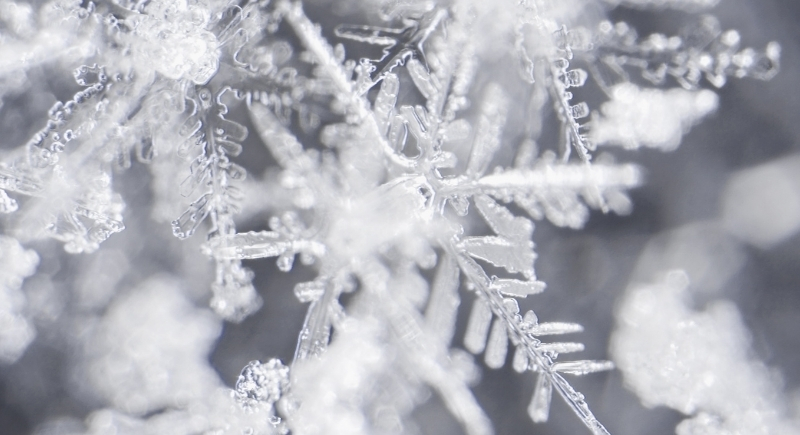
Image via Getty Images/Snowflock
Snowflakes form high in the atmosphere and fall slowly, which gives them plenty of time to collect hitchhikers. Research published in microbiology and water health journals indicates that snow regularly carries bacteria, fungal spores, and airborne particles that it picks up as it drifts downward. Even freshly fallen snow has been found to contain microbes, meaning it’s never truly sterile.
Beyond living organisms, scientists have detected microplastics, soot, and trace pollutants inside snow samples collected far from cities. These particles travel long distances through the air before settling back to the ground.
This doesn’t mean every bite is dangerous, but it does explain why snow should never be treated as clean drinking water.
Where And When The Snow Falls Makes A Big Difference
Location plays a massive role in what ends up inside the snow. Urban areas tend to have higher levels of pollution due to traffic, heating systems, and industrial activity. Snow that falls near roads can pick up vehicle emissions and road salt almost immediately. Once snow hits the ground, contamination increases fast.
Timing also matters. Atmospheric scientists explain that early snowfall often contains more pollutants because it scrubs the air first. Snow falling later in a storm can be cleaner, simply because earlier flakes have already filtered the air.
Wind is another variable. Strong gusts can mix soil, dust, or agricultural material into falling snow, especially in open areas. That’s why even snow that looks untouched can vary widely in quality.
A Small Taste Is Usually Low Risk, But It’s Not Harmless
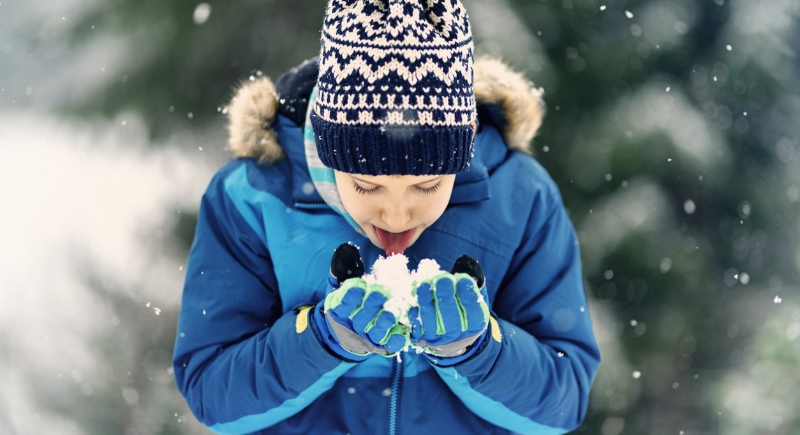
Image via iStockphoto/Imgorthand
Health experts generally agree that a quick taste of clean, white snow is unlikely to cause harm for most people. The amount consumed is usually tiny, and contaminant levels are often well below toxic thresholds. That’s why casual snow tasting hasn’t triggered widespread health concerns.
Still, snow should never be relied on for hydration. Eating snow forces your body to expend energy melting it, which can exacerbate dehydration and increase the risk of hypothermia in cold conditions. Public health agencies advise against using snow as a water source unless it has been melted and boiled first. Even then, boiling kills germs but does not remove chemicals or microplastics.
Older snow, discolored snow, plowed piles, or snow near roads should always be avoided. Those conditions increase the chance of chemicals, animal waste, or debris being present.
What Scientists Actually Recommend
Researchers aren’t trying to scare people away from winter fun. Many openly admit they’ve tasted snow themselves. The guidance is more about awareness than prohibition.
If someone chooses to eat snow, it should be freshly fallen, bright white, and collected away from roads, sidewalks, parking lots, and plowed areas. Snow that gathers later in a storm and is placed in a clean container off the ground reduces exposure risks.