If You Lose Your Passport in Vienna, Go Straight to McDonald’s
In May 2019, a formal agreement was signed between McDonald’s Austria and the United States Embassy in Vienna. The arrangement allowed Americans in distress to walk into participating restaurants and ask staff to help contact embassy services, and about 194 locations across Austria took part. The system focused on communication help. Staff could connect travelers to a 24-hour embassy hotline or provide contact details if a phone was lost or unusable.
The goal revolved around speed, because if someone lost a passport, wallet, or phone, reaching embassy staff quickly was more important than anything else. Embassy officials stressed that the Vienna embassy was fully staffed. The restaurant partnership is an additional access point rather than a replacement for diplomatic services, as consular work requires trained government personnel.
What Help Actually Looks Like Inside A Restaurant
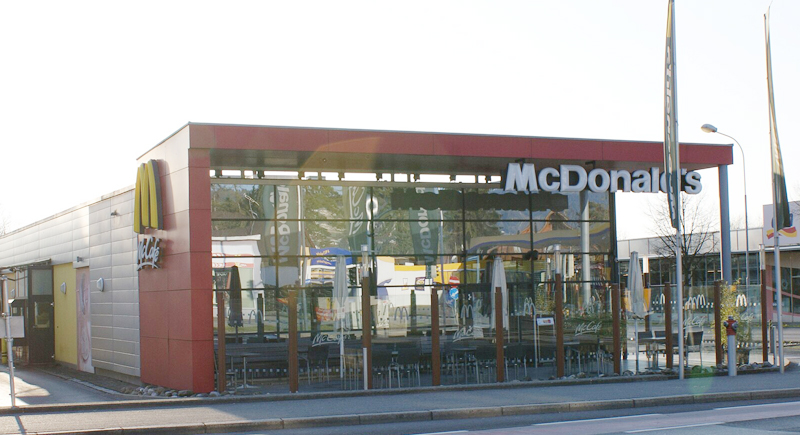
Image via Wikimedia Commons/Asurnipal
Employees did not process travel documents or handle legal requests. Their role worked more like a relay station. Staff could help someone call the embassy, contact the police, or reach emergency services if needed.
If someone walked in asking for assistance with embassy contact, staff could step in and help connect them to the appropriate channel. The system also helped non-Americans in a basic way. Staff could direct anyone to local emergency services or to their own embassy contact information. That made locations act as simple public support points during urgent situations.
Why A Fast Food Chain Made Sense Logistically
McDonald’s is typically very visible, and travelers can spot locations quickly, even in unfamiliar cities. That availability increases the odds of finding help quickly during emergencies. Global chains also maintain consistent operating standards. That predictability helps travelers feel comfortable asking for assistance during stressful moments.
The idea relied on existing infrastructure rather than building new emergency access centers. Airlines, hotels, and telecom companies already coordinate with embassies during major disruptions, so this program simply extended that concept into everyday consumer spaces.
Limits Of The Program Travelers Should Know
Image via Getty Images/pavlemarjanovic
This partnership existed only in Austria, and there was never confirmation that other countries planned to copy it. Travelers still needed to contact official embassy channels for document replacement, legal help, or evacuation planning. There is also no public confirmation that the program still operates, so travelers should always verify current embassy contact procedures before international trips.
However, the most important thing is preparation. Save embassy contact numbers, keep digital passport copies stored securely, and share travel plans with someone trusted. Those steps reduce panic if something goes wrong.
Austria simply tested a creative backup communication option using a brand most travelers recognize instantly. It showed how travel safety can sometimes rely on places people usually associate with quick meals instead of emergency support.