How to Turn Cheap Jar Sauce Into Grandma’s Secret Recipe
There is a reason your grandmother’s sauce never tasted flat. It was because she layered flavor, controlled heat, and adjusted as she went. A $1.50 jar from the grocery store can only match that if you treat it like a starting point, not the finished product. Here’s how to make cheap jar sauce taste like it belongs in a handwritten family cookbook.
Start With Aromatics, Not the Jar
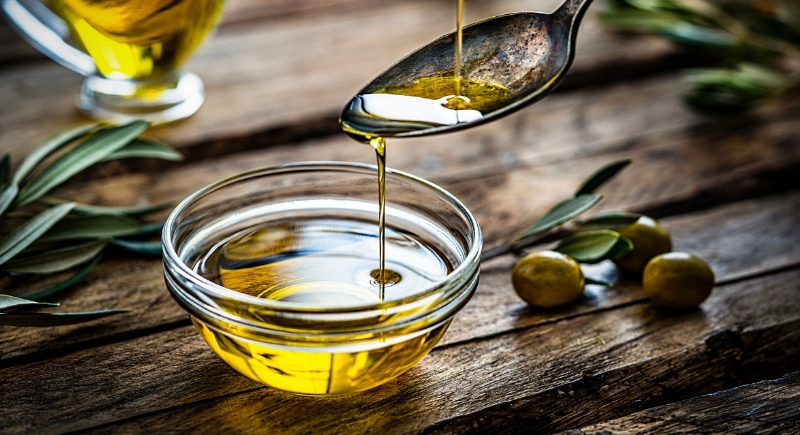
Image via Getty Images/fcafotodigital
The biggest mistake people make is dumping sauce straight into a pot and heating it. That guarantees a one-note tomato flavor.
Instead, warm 2 tablespoons of olive oil in a saucepan over medium heat. Add half a diced yellow onion and cook until translucent, about 5 minutes. Then add 1 to 2 minced garlic cloves and cook for 20 to 30 seconds. Do not let the garlic brown. Burned garlic turns bitter fast.
Now pour in your jarred sauce. Let it simmer gently. The base adds depth and natural sweetness.
Fry a Spoonful of Tomato Paste
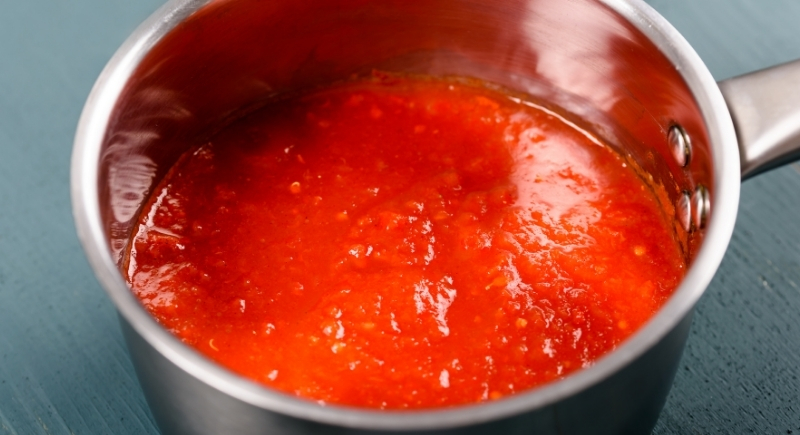
Image via Canva/Radu Bercan
This is a small step that changes everything.
Push the onions and garlic to one side of the pan. Add 1 tablespoon of tomato paste directly to the oil and cook it for 1 to 2 minutes, stirring constantly.
You want it to darken slightly. Heating tomato paste caramelizes its natural sugars and deepens the tomato flavor. Once it smells rich instead of sharp, stir it into the sauce.
Balance the Sweetness and Acidity
Many cheap sauces are either too sweet or too acidic. It’s important to taste your sauce while simmering. If it tastes sharp after 5 minutes, add a pinch of sugar or a small grated carrot. If it tastes too sweet, add a splash of red wine vinegar or a squeeze of lemon juice to tame it. Adjust salt at the end. Starting with a lower-sodium jar gives you more control.
Deglaze for Depth
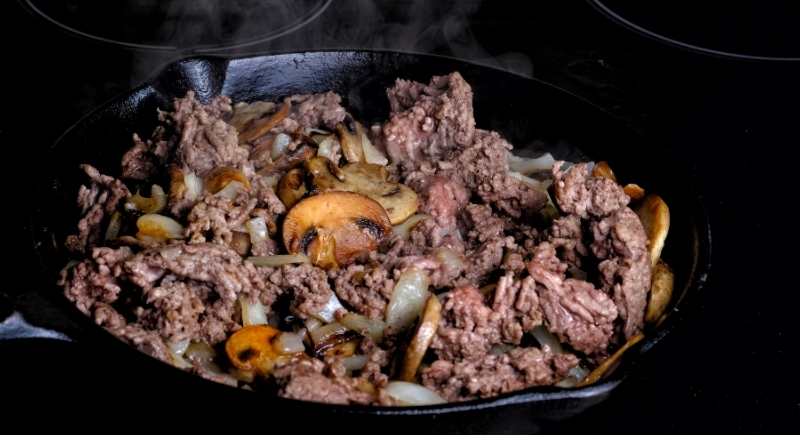
Image via Getty Images/Nancy Salmon
If you browned sausage, ground beef, or mushrooms in the pan first, don’t wash it. Those browned bits stuck to the bottom are flavor.
After cooking the meat or vegetables, pour in ¼ cup of red wine or chicken stock and scrape the bottom of the pan. Let it bubble for 30 seconds before adding your sauce. That step alone makes the sauce taste slow-cooked.
Add Umami, Finish With Butter
Grandma knew how to build umami. You can add:
A handful of sautéed mushrooms
A teaspoon of soy sauce
A small splash of Worcestershire sauce
A rind of Parmesan cheese simmered in the pot
Right before serving, turn off the heat and stir in 1 to 2 tablespoons of cold butter. Butter softens acidity and gives the sauce a smooth texture. It makes it taste rounder and more cohesive.
Add Fresh Herbs at the End
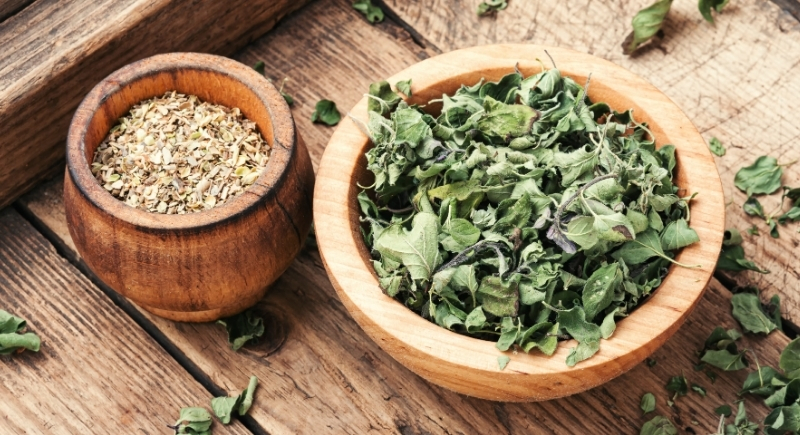
Image via Canva/Mykola Lunov
Dried oregano and basil are fine during simmering. Fresh herbs go in last.
Tear fresh basil leaves and stir them in after you remove the sauce from the heat. Fresh herbs lose their richness if boiled. If you do not have basil, parsley works well too.
Use Pasta Water Like a Pro
Before draining your pasta, reserve ½ cup of the cooking water. The starch in pasta water helps the sauce cling to noodles and gives it a glossy finish.
Toss pasta and sauce together in a pan over low heat. Add splashes of pasta water until everything looks silky and well-coated.
Let It Simmer Longer Than You Think
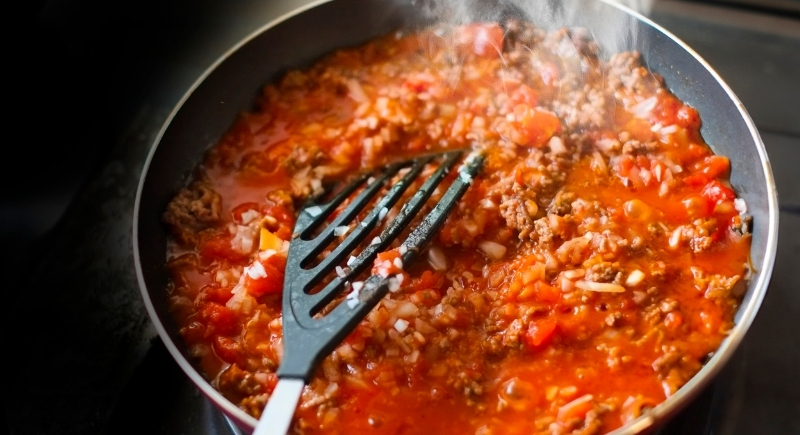
Image via Canva/Aflo Images
Even 15 extra minutes on low heat improves flavor. Keep the lid slightly ajar and stir occasionally. As water evaporates, the sauce thickens and tastes more concentrated. Just keep the heat low to avoid scorching.
The Shortcut Version
If you only have 10 minutes, do this:
Sauté onion and garlic.
Add the jar.
Stir in butter at the end.
Finish with fresh basil.
That is enough to fool most people.