How Much Sodium Should the Average Person Consume Per Day?
Most adults consume well above the recommended amount of sodium, and national estimates show that daily intake in the United States consistently passes 3,000 milligrams. The body needs only a fraction of that to function, yet sodium can enter the body through foods that don’t taste especially salty. Global research confirms the pattern on an even larger scale. As evidence continues to highlight the health impact of sodium, understanding the appropriate daily intake has become an essential part of maintaining long-term wellness.
The Daily Target Most Adults Should Keep In Mind
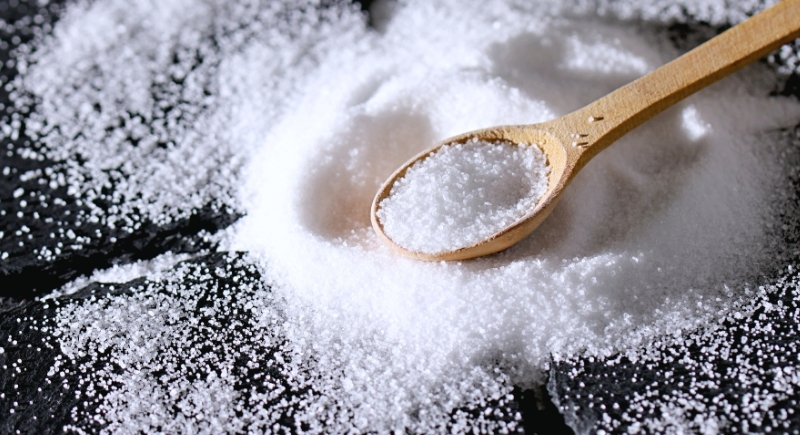
Image via Pexels/Marek Kupiec
Health organizations around the world have reached similar conclusions about reasonable sodium limits. The American Heart Association has set the upper limit at 2,300 milligrams per day for most adults and points to 1,500 milligrams as a more protective target. The World Health Organization recommends staying below 2,000 milligrams a day. The Institute of Medicine advises aiming for about 1,500 milligrams.
These guidelines are close enough together to send a clear message. Lowering sodium supports healthier blood pressure and reduces the risks of heart disease and stroke. Cutting intake by roughly 1,000 milligrams a day can bring meaningful improvements for many adults.
People with hypertension, heart disease, kidney disease, or diabetes often receive instructions to stay closer to the lower end of the range. Individuals who lose large amounts of sodium through heavy sweating during work or intense training may have different needs.
How Much Sodium Does the Body Actually Need?
The body’s physiological requirement is far below typical intake levels. A healthy adult requires between 200 and 500 milligrams per day to support nerve function, maintain fluid balance, and promote normal cell activity. Since the required intake is typically less than what a normal diet contains, sodium deficiency is uncommon in people who consume a varied diet.
For perspective, a single teaspoon of table salt contains around 2,000 milligrams of sodium. That comparison shows how easily sodium intake rises in everyday meals.
Why High Sodium Intake Matters

Image via Getty Images/sasirin pamai
Sodium plays a crucial role in the body, but excessive intake can lead to health issues. Elevated sodium contributes to higher blood pressure, which raises the risk for heart disease, stroke, and kidney complications.
Research also links excessive sodium to gastric cancer and osteoporosis. Some adults are more sensitive to sodium shifts. Those with hypertension often experience stronger responses, though many people without high blood pressure still see noticeable changes when their intake rises. High sodium levels can also reduce the effectiveness of certain blood pressure medications.
Global data highlights the scale of the issue. An estimated 1.89 million deaths each year are associated with sodium intake that exceeds recommended levels.
The True Sources Of Sodium In Everyday Eating
Sodium builds up quickly through foods that many people consider a part of their routine. Packaged meals, breads, frozen dinners, processed meats, snack foods, canned items, and restaurant dishes contribute most of the sodium Americans consume. More than 70 percent of sodium intake in the United States comes from these sources.
Some items contain naturally higher levels. Shellfish can carry elevated sodium due to their environment and processing methods. Sauces, tomato-based products, and many breads also contribute more than expected.
Serving sizes play a major role in miscalculating intake. Packages that appear to be single servings often contain multiple portions, which increases total sodium.
How Sodium Recommendations Shift For Kids

Image via Canva/Изображения пользователя Вячеслав Николаенко
Children need far less sodium than adults. The WHO recommends adjusting the adult limit downward for children aged two to 15 based on their energy needs. Infants under two follow separate feeding guidance, which focuses on appropriate early nutrition rather than sodium intake.
Bringing Intake Closer To Healthy Levels
Choosing foods with fewer added salts, picking fresh or frozen options over heavily processed items, rinsing canned foods, and paying attention to portion sizes all help reduce overall intake. Low-sodium and reduced-sodium products can also support this shift.
Your taste buds will adjust over time. Many people notice new flavors once sodium levels drop, which makes long-term changes easier to maintain.