Cream soda has existed for generations and appeared in lunchboxes, soda fountains, and convenience store coolers. It comes in colors from golden brown to bubblegum pink that don’t exactly match the name, yet the label never changes. This is puzzling because the drink doesn’t even contain cream and still manages to taste “creamy” enough that the word became part of its identity.
So, how did a fizzy soda end up with a dairy-heavy name?
The First Cream Soda Wasn’t What You’d Expect
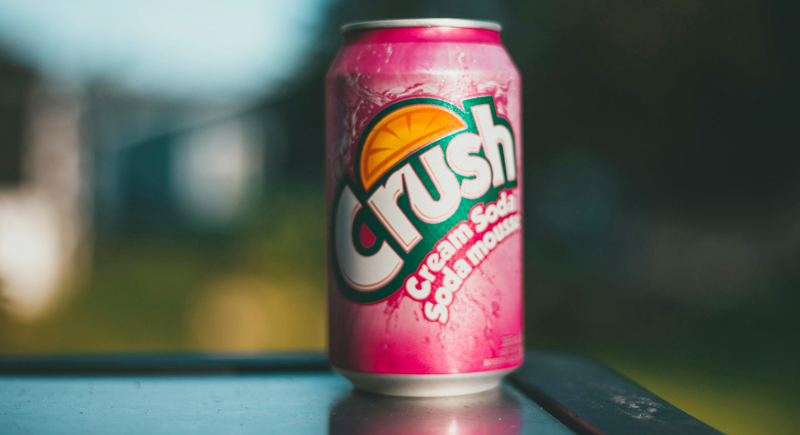
Image via pexels/Erik Mclean
The earliest known recipe appeared in an 1852 issue of Michigan Farmer. It called for water, sugar, tartaric acid, cream of tartar, Epsom salts, milk, and even an egg. This was more of a foamy, medicinal tonic than the vanilla sodas we know today.
Cream of tartar is a powder that helps stabilize egg whites and prevent sugar syrups from crystallizing. Its addition may have inspired the “cream” part of the name. Whatever the reason, this first attempt was foamy, medicinal, and not much like the vanilla treat people associate with the soda now.
In the late 1800s, cream soda began to change. Around 1868, Dr. Brown’s brand in Brooklyn was selling a vanilla-flavored version that was pale tan in color and resembled what Americans now expect when they order cream soda.
Vanilla was once an expensive luxury, but the widespread use of synthetic vanillin in the 1930s made it affordable and widely used. The newfound accessibility helped cream soda spread quickly across the United States, with bottlers producing versions in brown, tan, or clear, depending on the brand. The common thread was always the smooth vanilla profile.
Having said that, there’s even more to the name than early recipes. Several studies show that vanilla can trick the brain into perceiving creaminess. When researchers at Penn State University added vanilla to low-fat milk, people reported it tasted richer than it actually was. This sensory shortcut explains why cream soda feels creamy without a drop of dairy. The combination of fizz, sweetness, and vanilla flavor creates a finish that drinkers recognize as smooth, which is likely how the name stuck around long after milk and eggs disappeared from the recipe.
A World of Colorful Variations
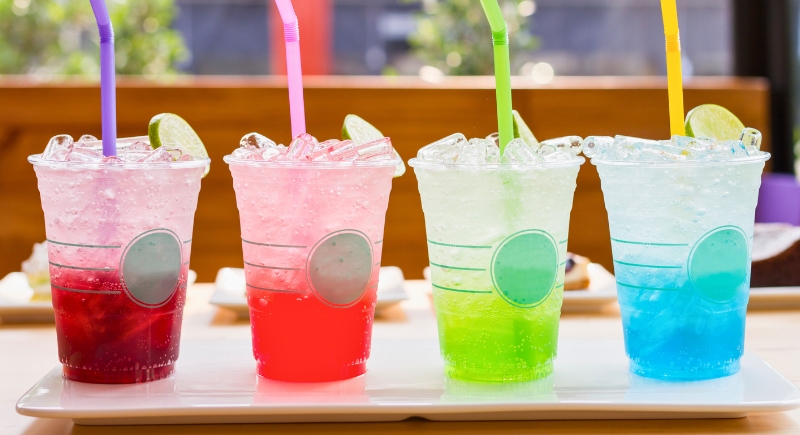
Image via Getty Images/onsuda
While American cream soda started to lean heavily on vanilla, other countries went in their own directions. In Canada, Crush Cream Soda is bubblegum-pink with a flavor closer to cotton candy than vanilla. Big Red in the U.S. and Frescolita in Venezuela share that candy-like style, while Bickford’s in Australia varies. South Africa’s Sparletta creme soda is a striking neon green with floral tones. Despite their different colors and flavors, many of these sodas share that same smooth “cream finish” that drinkers describe.
Cream soda also built its identity in American soda fountains of the late 19th and early 20th centuries. These counters often served ice cream floats, which likely reinforced the “cream” connection. Some historians point to Canadian inventor James Black, who patented an “ice-cream soda” recipe that transformed into cream soda when mixed with water.
Today’s cream sodas keep the tradition alive in their own ways. Classic brands stick with sweet vanilla formulas, while modern companies experiment with “healthier” spins that cut down sugar or add prebiotics.