Here Is What Happens to Your Body When You Eat Pumpkin Every Day
Pumpkin is available on shelves for most of the year, and dominates the menus of lattes, pies, soups, and muffins once fall arrives. It is often framed as a seasonal indulgence, even though nutritionally it behaves more like a dependable staple. After all, it is a fiber-rich, vitamin-dense squash with predictable effects on digestion, immunity, vision, and appetite when consumed consistently. The changes build gradually and compound over time.
How Daily Pumpkin Affects Digestion and Fullness
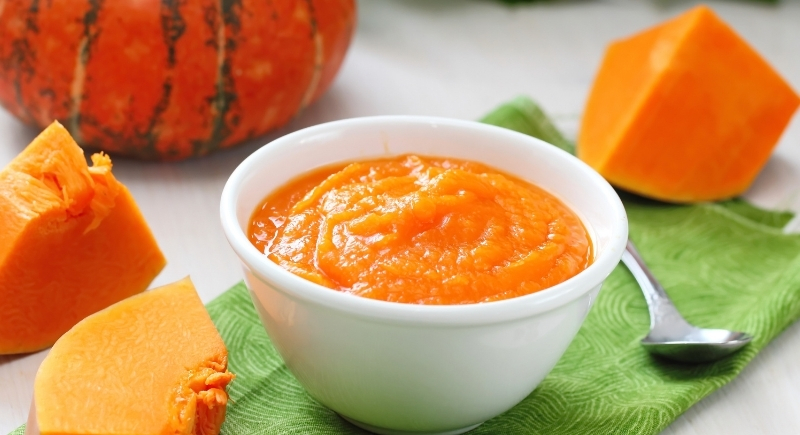
Image via Getty Images/lisaaMC
One of the first systems influenced by daily pumpkin intake is digestion. Pumpkin contains both soluble and insoluble fiber, with about 7 grams per cup of unsweetened puree. The amount covers roughly one-quarter of daily fiber needs for many adults. Fiber increases stool bulk, supports regular bowel movements, and feeds beneficial gut bacteria.
Pumpkin also contains a high amount of water, which allows fiber to absorb fluid and expand in the digestive tract. This combination slows down digestion and supports a feeling of longer-lasting fullness.
For individuals not accustomed to higher fiber intake, gradually increasing pumpkin consumption helps prevent bloating or cramping, especially when accompanied by adequate hydration.
Eye and Skin Health With Daily Pumpkin Intake

Image via Canva/Alliance Images
Pumpkin’s orange color comes from beta carotene, which the body converts into vitamin A. Vitamin A plays a key role in vision, particularly in low-light conditions, and supports the surface of the eye.
Eating pumpkin daily helps maintain consistently high vitamin A intake without the need for supplements. One cup of pumpkin puree provides more than double the daily recommended amount of vitamin A measured as retinol activity equivalents.
Vitamin A also supports the turnover and maintenance of skin cells. Alongside vitamin C and vitamin E, both of which are found in pumpkin, this nutrient combination helps manage oxidative stress in skin tissue.
Unsafe vitamin A intake from food sources alone is uncommon. Reaching problematic levels would require extremely high amounts of pumpkin consumed every day for extended periods.
Immune Support From Regular Pumpkin Consumption
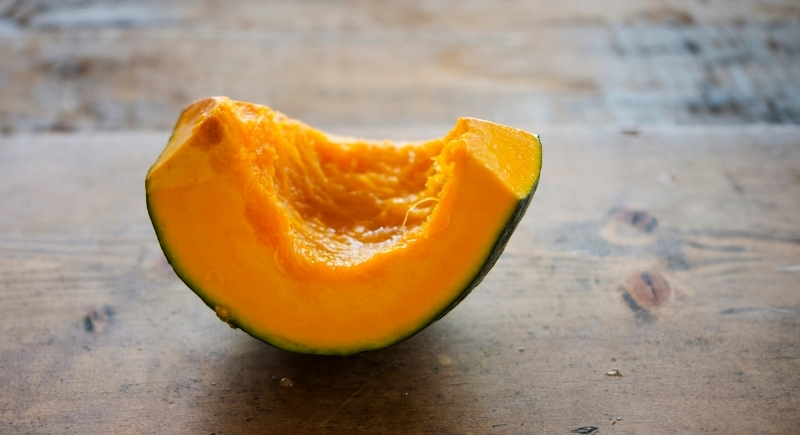
Image via Canva/Aflo Images
Pumpkin contributes to immune support through the synergistic action of multiple nutrients. Vitamin A helps maintain the integrity of mucosal barriers, including those in the respiratory and digestive tracts. Vitamin C supports immune cell activity. Vitamin E helps protect immune-related cells from oxidative damage.
Pumpkin also provides iron, which supports oxygen transport and immune defense. While it is not a primary source of iron, daily intake contributes to overall dietary iron when combined with other sources of iron.
Consistent pumpkin consumption supports nutrient availability over time rather than producing short-term immune changes.
Blood Pressure and Heart Health Connections
Pumpkin contains potassium, magnesium, and calcium, minerals involved in blood pressure regulation and vascular function. One cup of pumpkin puree contains more potassium than a medium banana.
Potassium helps balance sodium levels and supports the relaxation of blood vessels. Over time, diets higher in potassium are associated with healthier blood pressure patterns.
Fiber also contributes to this by supporting cholesterol metabolism and overall cardiovascular health. Pumpkin plays a supporting role alongside other fiber-rich foods.
Blood Sugar and Energy Balance

Image via Canva/Proxima Studio
Pumpkin contains carbohydrates, but its fiber and water content slow digestion. This leads to more gradual blood sugar responses compared with refined starches.
Early research suggests pumpkin and pumpkin seeds may support blood sugar regulation, potentially linked to magnesium content. These findings are still emerging and should be interpreted with caution, particularly for individuals managing diabetes.
The Role of Pumpkin Seeds
Eating pumpkin regularly often includes the seeds, whether roasted or added to meals. Pumpkin seeds contribute protein, magnesium, zinc, iron, and unsaturated fats.
Magnesium supports muscle and nerve function and plays a role in glucose metabolism. Zinc supports immune function and wound healing. Protein and fiber together add to satiety. Including seeds alongside pumpkin flesh broadens the nutritional impact.
Who Should Pay Attention to Intake
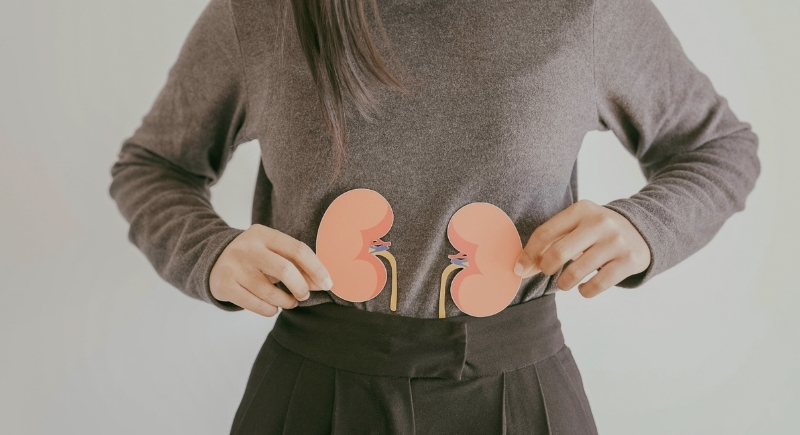
Image via Getty Images/SewcreamStudio
Pumpkin is generally safe for most people when eaten in moderation, but certain groups may need to limit their portion size or frequency. People with kidney disease may need to monitor their potassium intake, and pumpkin is a good source of potassium.
Anyone increasing fiber intake should also increase water consumption to reduce digestive discomfort. Food allergies to pumpkin are uncommon but possible; therefore, raw pumpkin should be handled and cooked properly to minimize food safety risks.
Daily Pumpkin in Practice
Daily pumpkin does not require large servings. Adding half a cup to one cup of plain pumpkin puree to meals is sufficient to support the effects described.
Consistency matters more than volume. Pumpkin mixed into oats, stirred into soups, blended into yogurt, or used in savory dishes delivers the same nutrients without relying on sweetened products.
Canned unsweetened pumpkin puree provides the same nutritional value as fresh pumpkin and often makes daily intake easier to maintain.