Here Is How MAHA Will Completely Change the Way Americans Eat
The Make America Healthy Again movement is reshaping how food shows up in everyday life, not just what nutrition labels recommend. As federal guidance shifts, it influences which foods are cheaper, more visible, and easier to access. What gets grown, subsidized, and promoted begins to change alongside it.
That ripple reaches grocery aisles, restaurant menus, school meals, and healthcare programs. Instead of relying only on personal willpower, the food environment itself starts to shift. Over time, those small, structural changes guide daily eating habits in a healthier direction without making it feel like a rulebook.
Protein Moves From Trend To Baseline
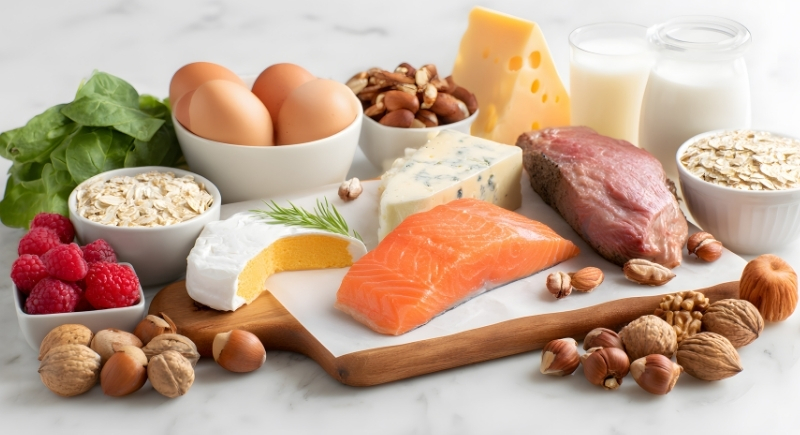
Image via Canva/Oksana Latysheva
Protein has spent years riding waves of popularity, but MAHA locks it into place as a daily default. Federal guidance now recommends roughly 0.54 to 0.73 grams of protein per pound of body weight, up from the long-standing 0.36 grams per pound.
Protein-enhanced yogurts, snacks, and frozen foods are no longer niche; they are becoming the center of the plate, especially thanks to the National School Lunch Program.
Sugar Stops Getting A Free Pass

Image via Getty Images/marylooo
MAHA draws a hard line on added sugar. The guidance states that no amount is considered part of a healthy diet and caps added sugar at 10 grams per meal, about 2 teaspoons. This does not mean Americans stop liking sweet drinks or desserts, but that sugar loses its health halo entirely.
When guidance moves away from moderate language and toward strict limits, it changes how products are justified.
Alcohol Gets Reframed, Not Redefined

Image via Getty Images/AndreyPopov
Previous guidelines spelled out drink limits by gender. MAHA drops that structure and replaces it with a simpler message: drink less for better health. The guidance stops negotiating with habits and starts emphasizing risk reduction.
For consumers, that often translates into fewer default drinks during the week and more scrutiny around social drinking, especially among younger adults already trending toward lower alcohol consumption.
Processed Foods Face A Trust Problem
Highly processed foods now sit at the bottom of the inverted food pyramid, both literally and symbolically. The guidance urges Americans to reduce their intake of packaged, ready-to-eat foods high in refined carbohydrates, salt, and sugar.
It pressures food companies to defend processing itself, not just individual ingredients. Large packaged food brands have adapted to diet trends before, but this moment hits deeper because of the growing distrust for them.
Eating Habits Start Affecting The Food System

Image via Getty Images/VioletaStoimenova
As consumer demand shifts, the effects travel backward through the supply chain. Reduced reliance on ingredients like high fructose corn syrup could shave billions of dollars off corn industry revenue. At the same time, demand might grow for fresh produce, dairy, and protein sources that fit the new framework.
MAHA also pushes the idea of food as preventative care. Programs tied to medically tailored meals suggest that every $1 invested could save about $3 in healthcare costs. If that model expands, farmers and producers may find new buyers in healthcare systems and public health programs, not just grocery stores.
Restaurants And Retail Adjust In Real Time
Restaurants are already adjusting portion sizes, menu balance, and pricing strategies as GLP-1 weight loss drugs reduce average appetite. At the retail level, grocery shopping is splitting into two lanes. Discount chains grow as shoppers hunt for value, while premium stores expand by selling food framed as cleaner, simpler, and nutrient-dense.