Heinz Launches Redesigned Packaging With Built-in Ketchup Compartment
Fast food restaurants now account for roughly two-thirds of all French fry consumption in the United States, according to data tracked by the USDA’s Economic Research Service. At the same time, the National Restaurant Association reports that about 75 percent of restaurant orders now leave the building instead of staying at a table. This combination created a new pressure point: food needed to behave better in motion.
Condiments became the weak link. Surveys cited by Heinz show that around 70 percent of consumers have spilled ketchup while eating on the go. Even more telling, roughly 80 percent admitted they considered skipping condiments entirely because the packaging felt incompatible with how they eat.
The Small Redesign That Solves A Big Annoyance
The solution came through packaging. The Kraft Heinz Company developed a fry box that integrates a built-in ketchup compartment directly into the container. Fries sit upright as usual, but a secure side pocket holds the sauce.
Why Heinz Picked This Moment
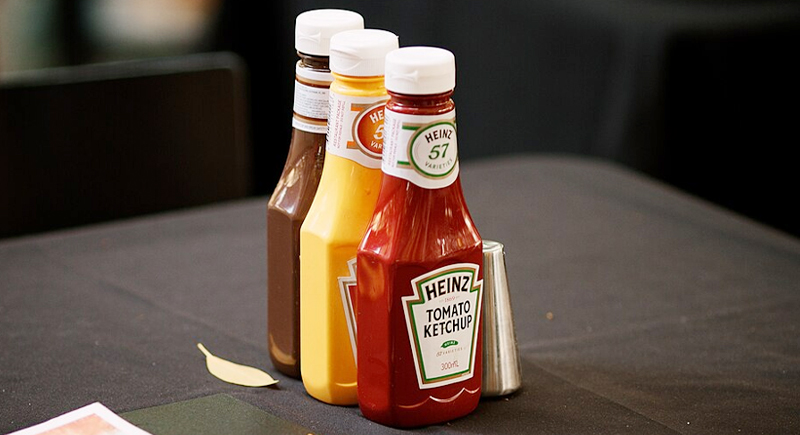
Image via Wikimedia Commons/VirtualWolf from Sydney, Australia
This launch is tied closely to Heinz’s growing focus on what the company calls its ‘Away From Home’ channel. More meals now happen during commutes, between errands, or in crowded venues where surfaces are limited. Packaging that assumes a table no longer matches reality. Heinz executives have pointed out that the iconic fry box shape already mirrors the brand’s visual identity.
A Global Test With Real Stakes
The Heinz Dipper debuted in January 2026 across restaurants and sports venues in 11 countries, including the United States, Canada, Mexico, Brazil, Germany, Italy, Portugal, the Philippines, Thailand, China, and Kuwait. It is a broad test designed to measure repeat use, operational ease, and consumer response across different eating cultures. Stadiums and busy food counters expose packaging weaknesses fast. If a design survives that environment, it earns credibility.
How This Fits A Bigger Packaging Shift

Image via Canva/rimmabondarenko
Heinz is not operating in isolation. Across the food industry, brands are rethinking how sauces, snacks, and sides travel. Compostable condiment formats, redesigned closures, and refill systems all point toward the same idea. Packaging is an important part of the eating experience.
This redesign shows how small structural changes can protect loyalty. When packaging fails, consumers blame the product, not the container. Fixing that gap keeps familiar food behaving the way people expect it to, even as their routines change.