28 Photos That Capture What Growing Up in the ’70s Looked Like
Childhood in the 1970s played out in backyards, sidewalks, and cul-de-sacs. Fashion leaned into flared pants and loud prints, while fun came from board games, tree climbs, and radio tunes. There were fewer rules, more freedom, and a strong sense of neighborhood. These images reflect a period where independence came early, and play didn’t need direction or devices.
A Defining Look of the ’70s
Credit: iStockphoto
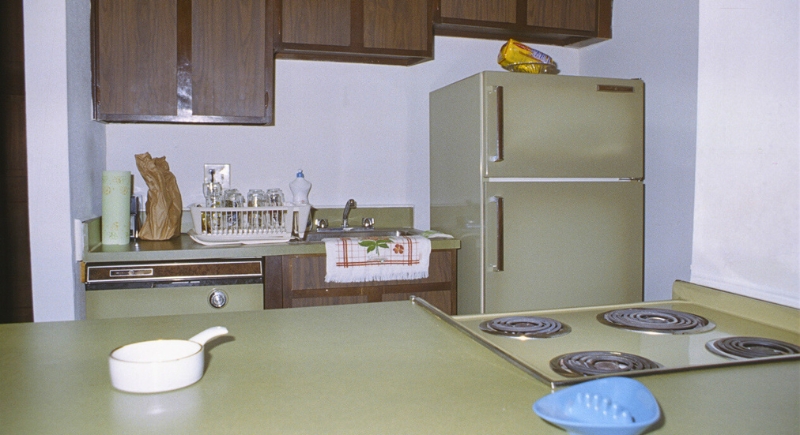
No part of this kitchen tried to be subtle. Avocado green confidently covered surfaces—from the fridge to the countertop—marking the space with a look that defined the decade. Appliances matched in tone and bulk, built to be seen rather than hidden. Kitchens like this weren’t open or sleek, but they had a clear identity.
Serving Up Fast Food in the ’70s
Credit: Reddit
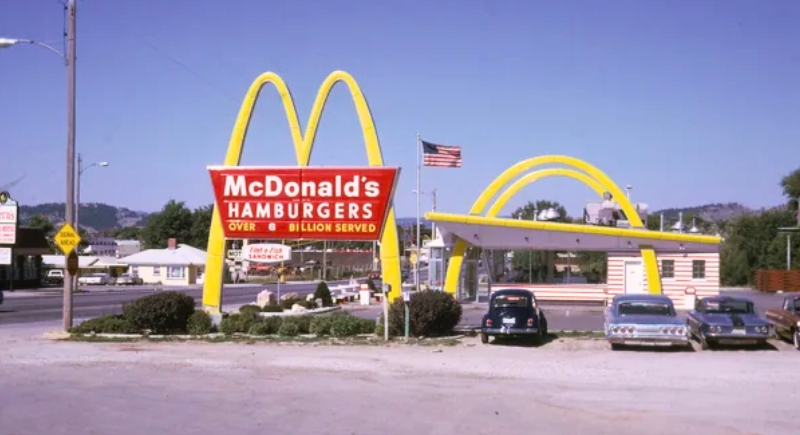
Off the highway in Rapid City, places like this 1970 McDonald’s shaped how America ate on the go. It stood apart, with a sign that tracked billions served and a layout built for quick stops and full parking lots. Under the angled canopy, cars lined up for food that arrived fast and hot.
Cruising in a Pale Green Ford

Credit: iStockphoto
In the 1970s, a full-size Ford in pale green said more about a household than any welcome mat. It was chrome-heavy and built wide, with models like the LTD holding their ground in driveways and highways. On summer roads, the hum of AM radio combined with the wind through open windows.
Calculating Time on Your Wrist in 1975
Credit: Facebook
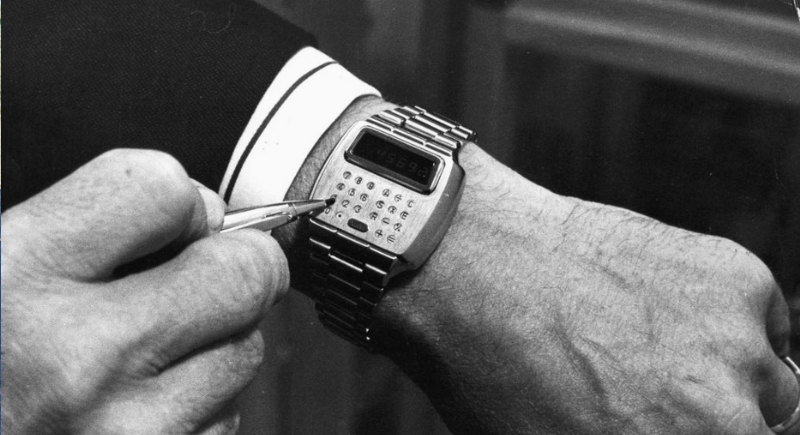
Long before touchscreens and wrist-based notifications, the Pulsar calculator watch pushed boundaries in 1975. Introduced in London, its LED display and metal keypad offered something new—an electronic calculator small enough to wear. Input required precision, usually with a stylus. The device was priced at nearly $4000, more than many used cars.
Broadway’s Energetic Streetscape in 1978
Credit: flickr
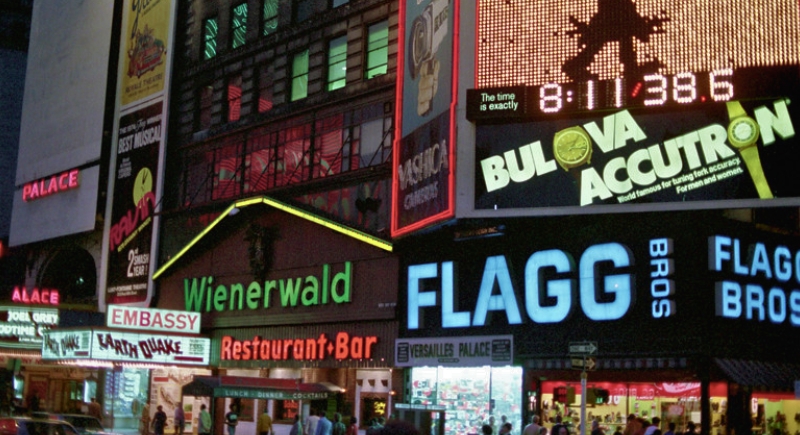
Broadway in 1978 was crowded, loud, and lit from every angle. Fast food joints like Wienerwald and Beefsteak & Brew sat side by side, tempting passersby with menus that guaranteed full stomachs. In the middle of it all, a camera shop window pulled in anyone drawn to gadgets or film reels.
Dusty Speakers and Flickering Films
Credit: iStockphoto
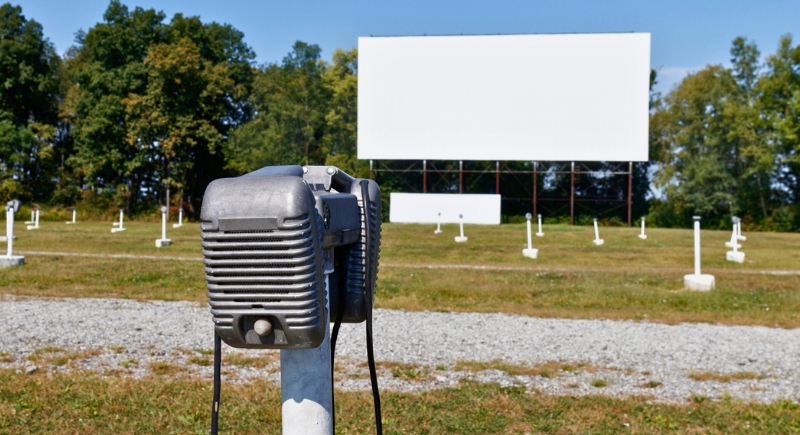
In 1973, the drive-in on Route 59 filled up fast once the sun dipped low. Rows of cars faced the screen, their drivers waiting for that first flicker of film through dusty glass. The speaker clamped to the window crackled with uneven sound, but no one expected clarity.
Fulton Street and a Simple Lunch Deal

Credit: Reddit
The heat rising off Fulton Street in June 1977 didn’t slow anyone down. Sidewalks filled with people in no mood to linger, passing storefronts packed tight with goods and hand-painted deals. Between hardware shops and lunch counters, a handwritten board offered something simple: “Single Egg on a Roll – 35¢.”
A Formal Living Room in a 1970s Colorado Home
Credit: iStockphoto
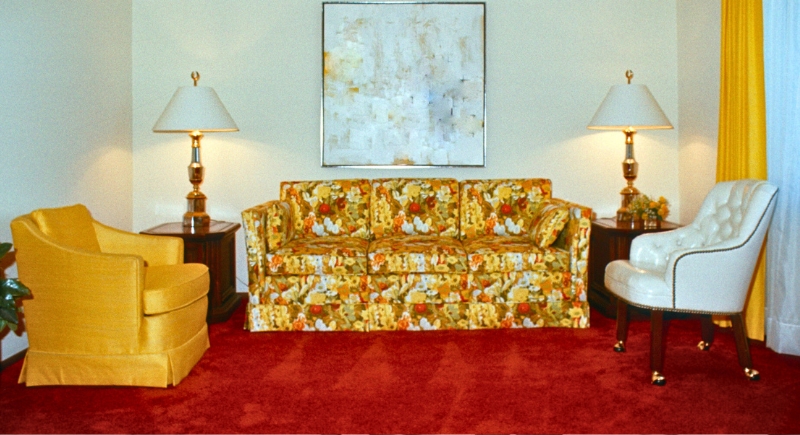
In a 1970s Colorado home, this kind of living room meant the guests stayed upright, and the furniture did the talking. Chairs came in vinyl or velvet, both stiff. Lamps were heavy, centered, and matched. Every element stood alone, yet nothing felt out of place.
A High-Pressure Control Room
Credit: Reddit
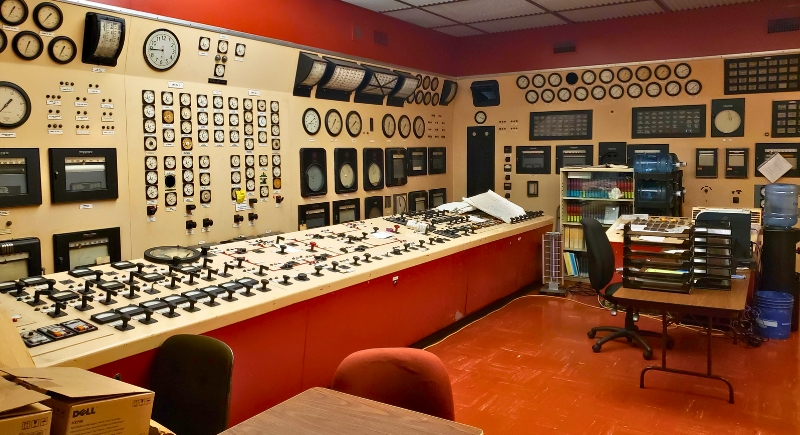
In the 1970s, a control room like this was pressure in physical form. Walls of dials, CRTs, and rotary phones surrounded a small team that kept a steady signal. Operators tracked every second with clipboards and clock hands, patching feeds manually and monitoring reel machines that didn’t always cooperate.
An Office Workhorse of the ’70s
Credit: Facebook
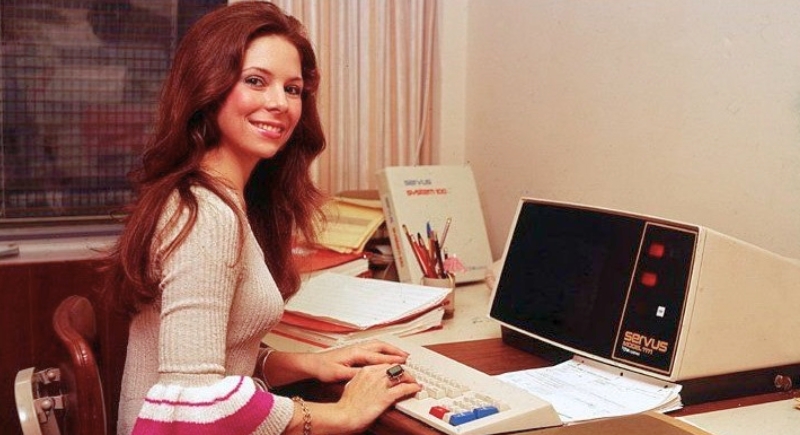
The Servus Model 1111 didn’t look sleek, but it handled critical work in its time. Offices relied on machines like this to process records, tally numbers, and store information line by line. Operators worked through input stacks, hoping the machine would process each line without a glitch.
First Class on a Pan Am 747

Credit: flickr
Aboard a Pan Am 747 in the 1970s, first class started before takeoff. Passengers settled into wide seats while attendants poured champagne without hurry. An open staircase led to a lounge above, reserved for conversation, not extra tickets. It aimed to make time in the air feel deliberate and composed.
Custom Prints on Bleecker Street
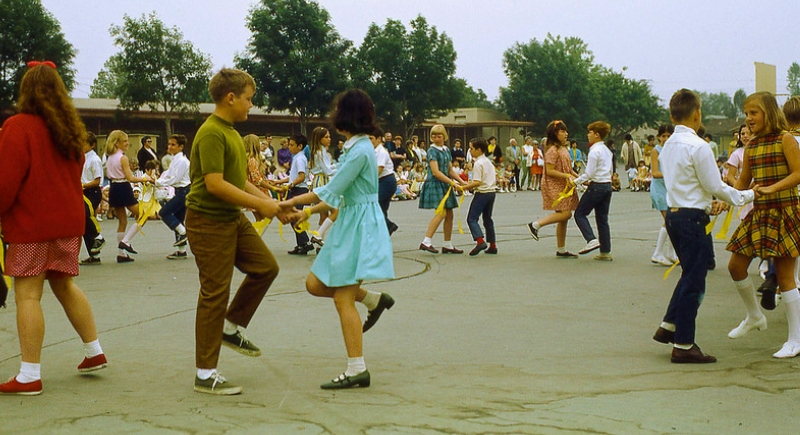
Credit: flickr
October 1975 on Bleecker Street brought a steady mix of foot traffic, music from open doors, and the steady rhythm of screens hitting cotton at Johnny’s T-Shirt City. Whether you wanted a cartoon, a headline, or something pulled from your own sketchpad, they pressed it fast.
Street Skating in 1979
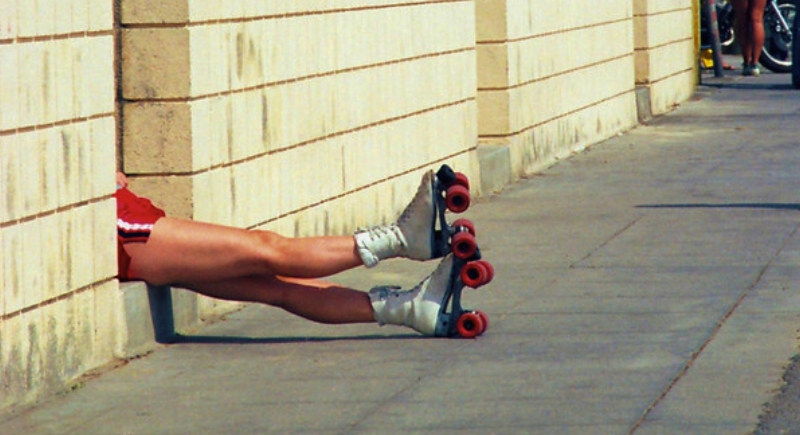
Credit: flickr
In May 1979, Randy Gardner and Tai Babilonia took their precision and rhythm off the ice and onto the street. The skates were basic quads, but the control came from years of repetition. Roller skating was everywhere—parks, sidewalks, beachfront paths—pushed forward by music and movement.
A Family Road Trip in Michigan

Credit: flickr
In the 1970s, Quinnesec, Michigan, a Mercury Montclair, and a stretch of snow-lined road were all a family needed. Len and Betty Nordman, with Charlie and Lisa bundled in the back, moved slowly enough to scan the trees. The car’s wide bench seats left space to shift and stretch, while hand-cranked windows let in sharp winter air.