Everything You Need to Know to Grow Summer Veggies
Starting a vegetable garden in summer doesn’t just mean sticking plants in the ground and hoping for the best. Healthy, productive plants depend on how they’re planted, how the soil is handled, and how well they’re cared for after transplanting. Tiny details now make a huge difference later.
Here are a few tips to make the process easy.
Choose the Right Plant at the Nursery
Credit: Getty Images
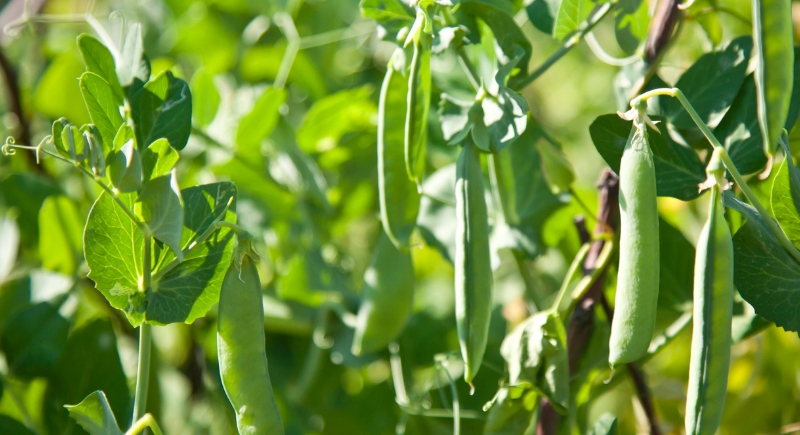
Skip the veggie starts that already have flowers or fruit. They look promising, but they waste energy trying to support that extra growth while adjusting to new soil. Instead, pick plants with sturdy stems, solid green leaves, and no signs of flowering. That helps avoid transplant shock and keeps roots strong.
Prep the Soil Like It Matters—Because It Does
Credit: Canva
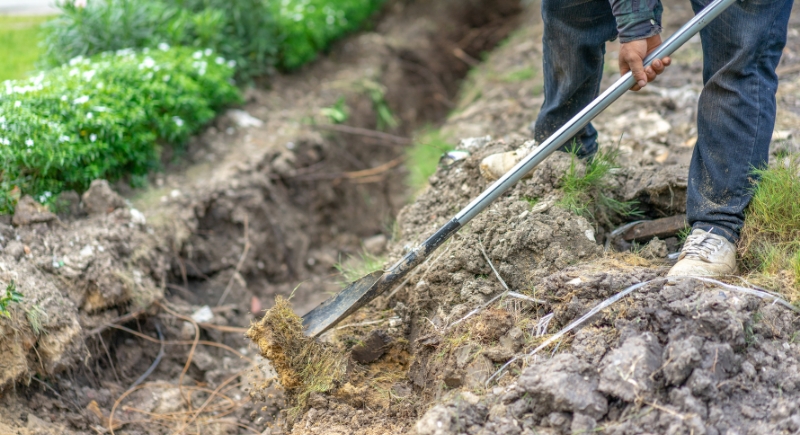
The soil needs to be loose enough for roots to spread, and that’s why turning it a shovel deep is worth the effort. Too much clay? Add sand. Soil dries out too fast? Mix in compost. Always blend in fertilizer and lime; the first feeds your plants, the second balances acidity.
Plant When the Sky Is Gray

Credit: Getty Images
Cloudy days are ideal for planting. That break from the heat gives seedlings a better chance to settle without sunburn. If the weather’s clear, plant in the evening so the roots get a full night to adjust. Using cardboard or a temporary cover to create next-day shade helps ease the transition.
Don’t Yank the Plant Out
Credit: pexels
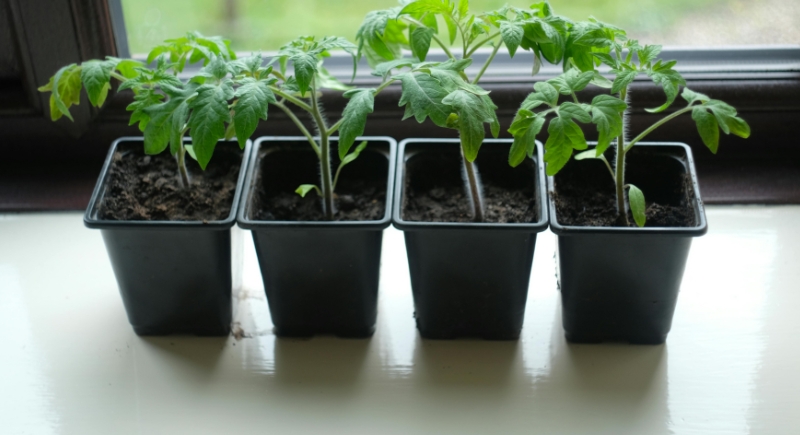
To get a start out of its plastic pot, squeeze the bottom gently with two fingers. Avoid flipping the pot or tugging on the stem, as both can damage delicate roots. This trick works especially well with compact plants, such as eggplants or peppers, that are often root-bound in their pots.
Break Up the Roots—Unless You Shouldn’t
Credit: Getty Images
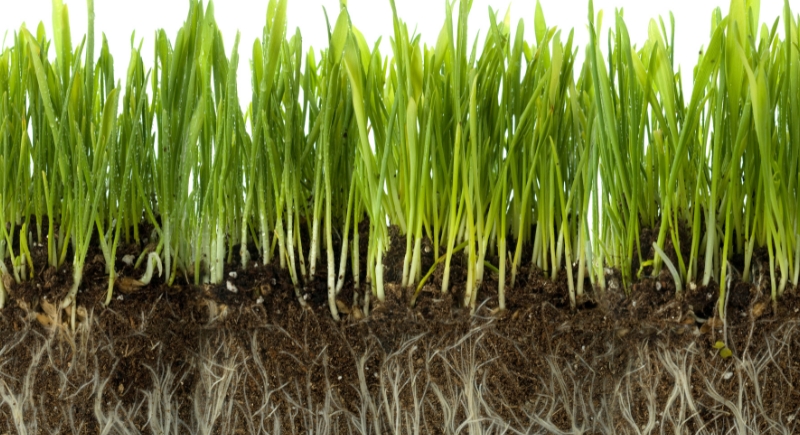
Some plants benefit from having their roots loosened before being planted in the ground. Run your fingers along the root ball like a comb to free them up. Skip this step entirely with cucumbers, pumpkins, and most root vegetables. For them, transplanting with minimal fuss is the safer move.
Separate the Crowd
Credit: Canva
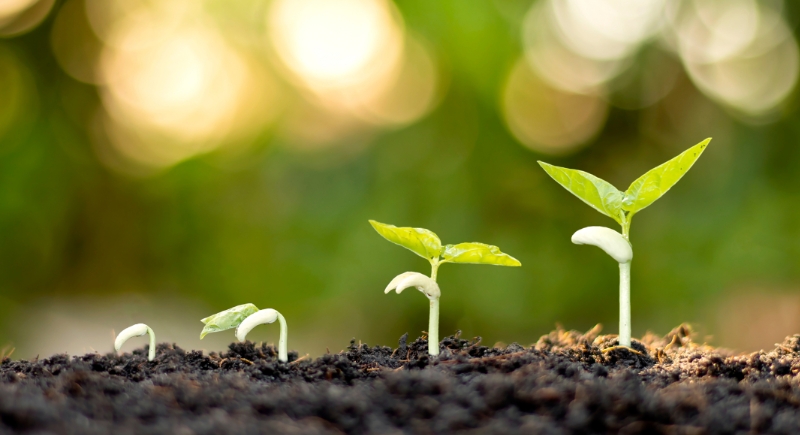
Seedlings like carrots, onions, or lettuce often come clumped together. Break them apart gently by halving the root ball repeatedly until you’re left with individuals. These can be planted individually. This method can triple the value of a six-pack of lettuce by giving you more usable plants.
Sink the Stem When You Can
Credit: Getty Images
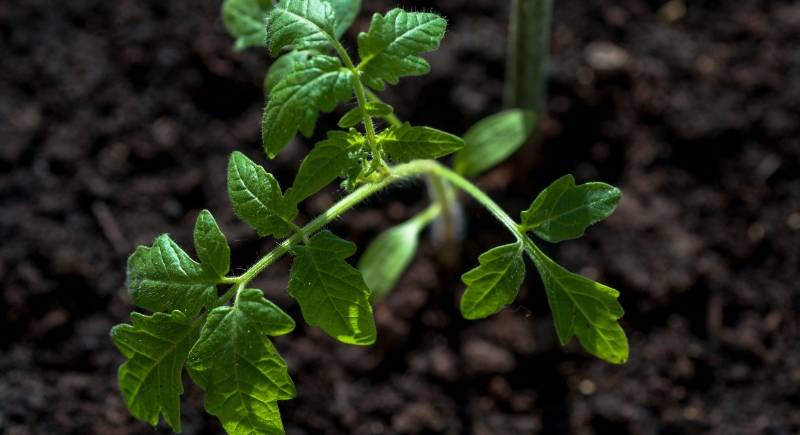
Tomatoes, peppers, and eggplants will grow roots along buried parts of the stem. Bury them deeper than the soil line to help anchor them and promote new root growth. Leeks benefit even more—bury all but the top couple of inches. Deep planting helps create stronger, more productive plants.
Don’t Bury the Stem in Mulch
Credit: Canva
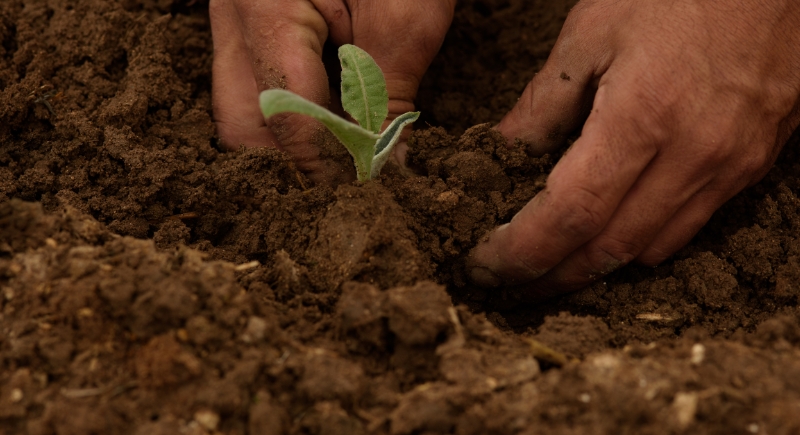
Mulch helps conserve water and regulate temperature, but packing it tight against stems spreads disease. Always keep at least a couple of inches of space between plant stems and mulch. Airflow matters down there, and soggy mulch pressed against stems is just asking for trouble.
Label Everything
Credit: Canva
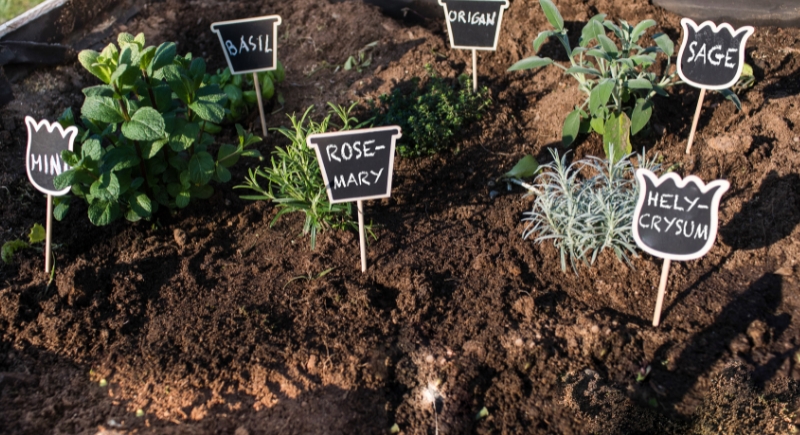
Keep those nursery tags or make your own using plastic markers or paint sticks. All tomatoes might look alike now, but come August, you’ll want to know which ones made all the giant slicers and which barely produced. Tracking plant varieties helps plan smarter for next year.
Skip the Tidy Look
Credit: Getty Images
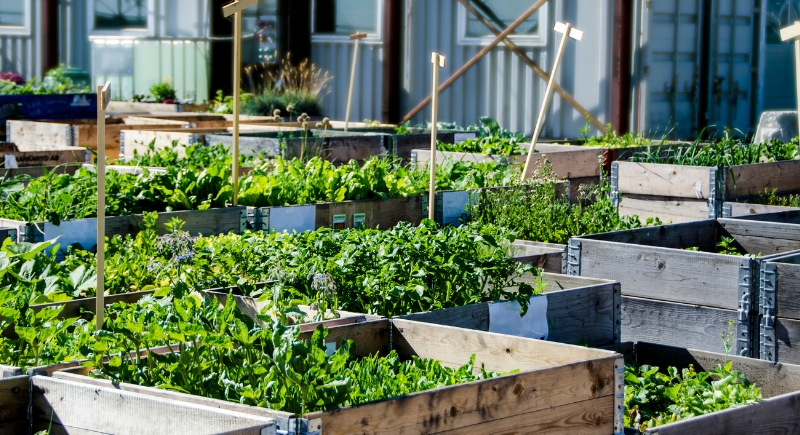
That pretty, even bed of plants might look great on day one, but leave space for growth. Crowding veggies invites pests and molds and limits sun exposure. Tomatoes need 18 to 24 inches, while zucchini needs at least 3 feet. Check spacing guidelines and resist the urge to fill every gap.
Water at Soil Level
Credit: Canva
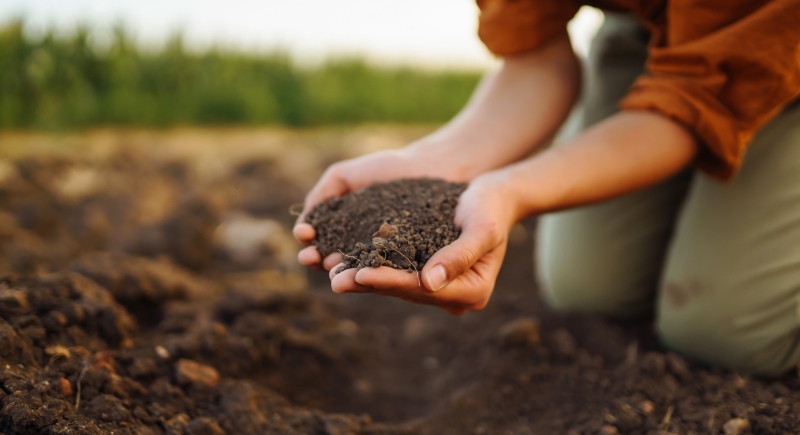
Spraying the whole plant with a hose isn’t the same as watering. Focus water directly at the base. Leaves stay dry, which helps prevent fungal diseases, especially in summer. A soaker hose or drip irrigation system makes this easy by keeping the water where it’s needed most—at the roots.
Give Plants a Boost with Compost Tea
Credit: Homestead and Chill
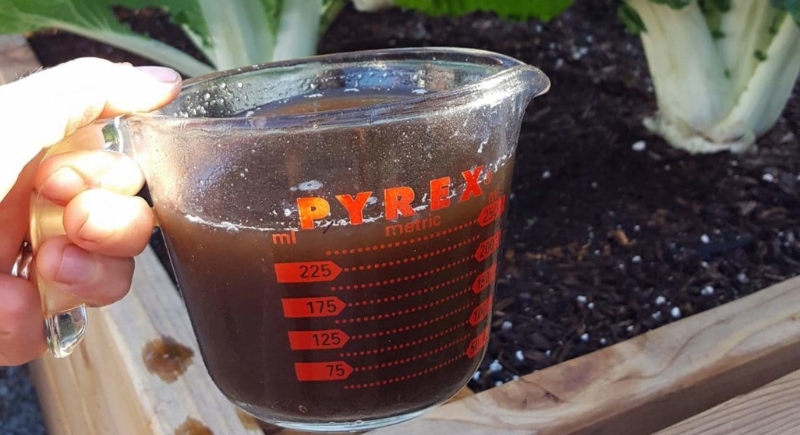
Compost tea is like an energy drink for vegetables. It’s made by steeping compost in water, and is full of nutrients and beneficial microbes. Use it to water plants every few weeks. It strengthens root systems and boosts resistance to pests and diseases.
Use Shade Cloth on Scorchers
Credit: Canva
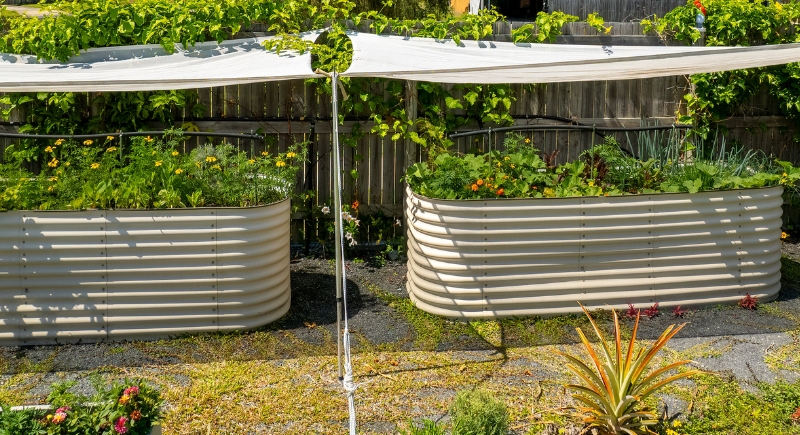
When summer temperatures reach 90°F or higher, sensitive plants like lettuce or peas may start to bolt. You can use a 30% shade cloth to reduce sunlight enough to prevent stress without halting growth. Utilize stakes or hoops to drape it over the bed during peak heat hours.
Add Stakes or Cages Early
Credit: Getty Images
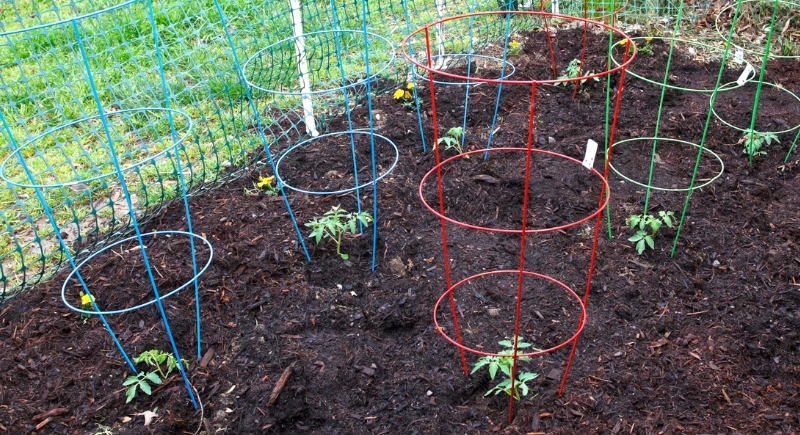
Stake or cage your plants the day you plant them. Trying to add support after they’ve grown invites root damage. Tomatoes, peppers, and climbing beans all benefit from support. Getting it in early helps the plant grow into the structure instead of needing rescue later on.
Don’t Plant the Same Thing in the Same Spot Every Year

Credit: Canva
Rotating crops helps avoid disease buildup in the soil. Tomatoes, for example, can leave behind fungi that affect next year’s crop. Change locations annually for plants in the same family, such as tomatoes, peppers, and eggplants, and give the soil a chance to recover by alternating with beans or greens.