The Grossest Mystery Ingredients Hiding in Your Favorite Fast Food
Fast food is designed to be fast, cheap, and the same every time you order it. But apart from the bill, there’s a hidden price you pay for that consistency, such as some shocking ingredients. The flavor of a burger or milkshake often comes from additives you’d never find in a home kitchen.
While all of them are legal in the U.S., knowing what’s actually inside that sandwich or snack might change how you see your next drive-thru stop.
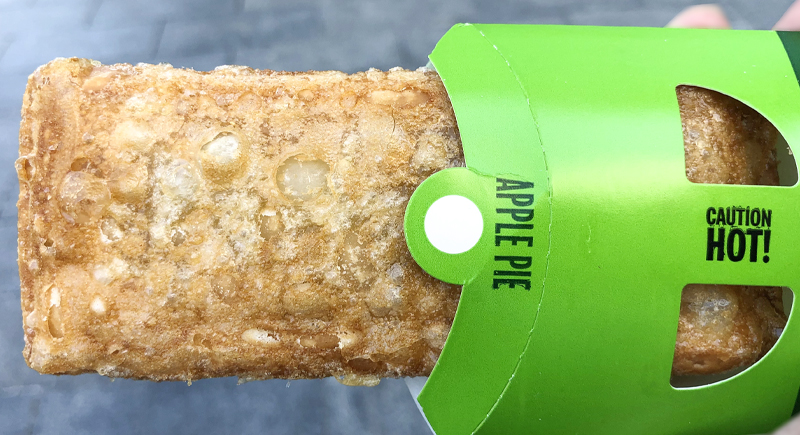
L-Cysteine D derived from Human Hair and Duck Feathers
Credit: Wikimedia Commons
That flaky crust on a McDonald’s Hot Apple Pie might owe its softness to L-cysteine. It’s a compound often extracted from duck feathers. In some cases, it’s sourced from human hair swept up in Chinese salons. It may be legal and processed, but either way, it’s not exactly appetizing.
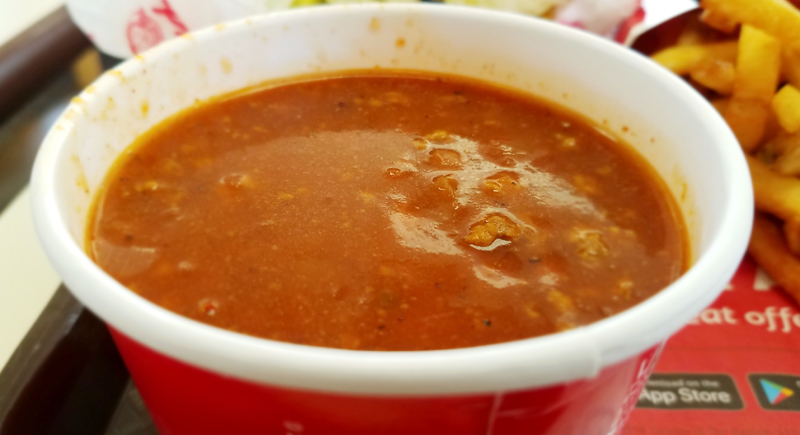
Silicon Dioxide, aka Industrial Sand
Credit: Wikimedia Commons
Silicon dioxide keeps Taco Bell beef and Wendy’s chili from clumping. But does this ingredient really belong in a spice rack? Not really. Silicon dioxide is also used in glassmaking and insecticides. Though FDA-approved, it’s hard to unthink concrete and ceramics while sipping chili from a plastic spoon in a parking lot.
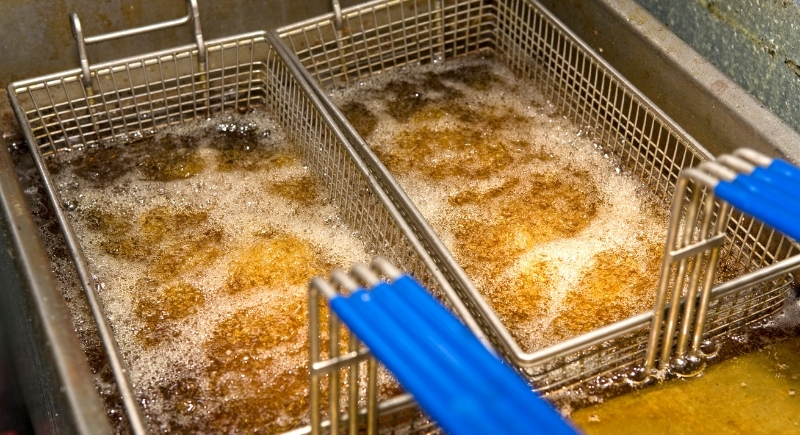
Dimethylpolysiloxane in Fryer Oil
Credit: Getty Images
Silicone-based and anti-foaming, this ingredient shows up in McDonald’s and Wendy’s fryers to keep oil from bubbling over. It’s also found in Silly Putty. So while your fries are crisp and safe to fry, they’re being cooked in the same family of chemicals as novelty desk toys.
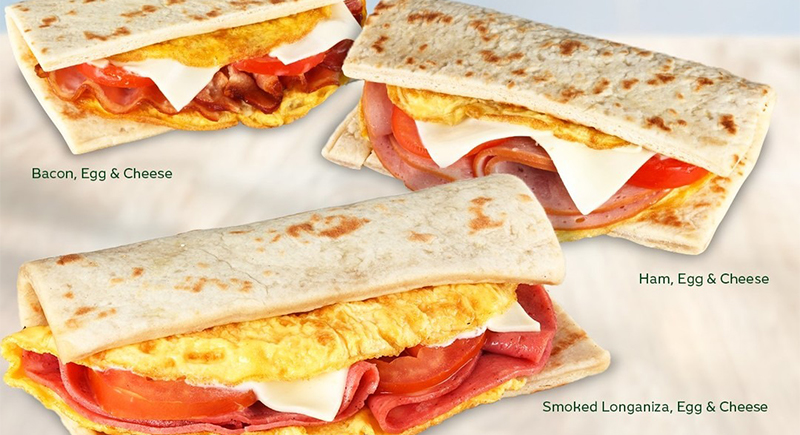
Propylene Glycol, Found in Antifreeze
Credit: Instagram
Subway has used this clear liquid in its breakfast sandwiches. In food, it holds moisture and keeps spice mixes and flavorings from drying out. The same chemical turns up in antifreeze, deodorant, and vape liquid. It’s why a muffin can still feel soft days later, even when it shouldn’t.
Cellulose, aka Processed Wood Pulp
Credit: Wikimedia Commons
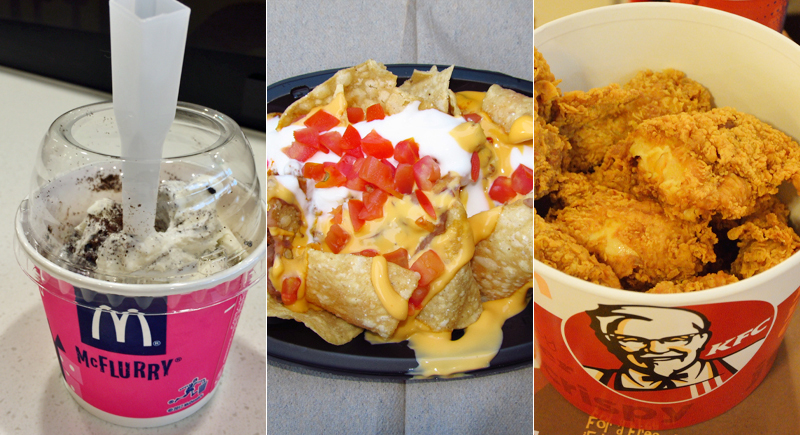
Fast food chains use cellulose to reduce fat and bulk up fiber in items like McDonald’s Filet-O-Fish and Oreo McFlurries. It’s also in Taco Bell’s nachos and KFC’s chicken. And while it’s food–safe, cellulose is extracted from wood and is chemically treated. You literally have wood in your food, and that takes the charm away.
Mechanically Separated Meat (MSM)
Credit: Wikimedia Commons
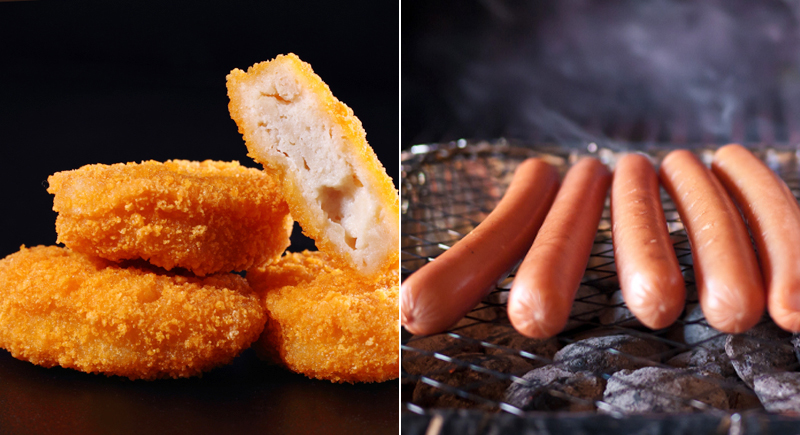
MSM is a pink paste made by blasting poultry bones through a sieve to salvage every shred of meat. It’s used in chicken nuggets and hot dogs and can include cartilage and connective tissue. This high-pressure slurry saves waste, but its origin is far from appetizing.
Carrageenan from Seaweed in Milkshakes
Credit: Instagram
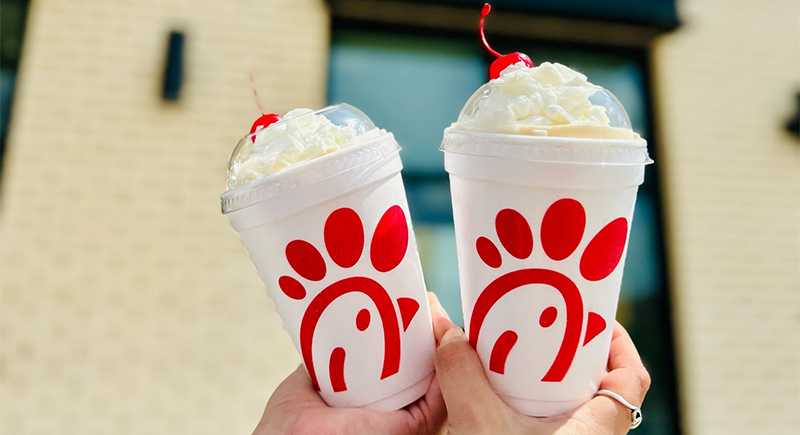
Carrageenan helps give Chick-fil-A’s milkshakes that smooth, spoon-coating consistency. It’s extracted from red seaweed, and although it sounds wholesome, animal studies have linked it to digestive issues. Even if those problems are not prominent with humans, their thickening powers don’t come without a scientific debate.
Azodicarbonamide, aka the Yoga Mat Chemical
Credit: Canva
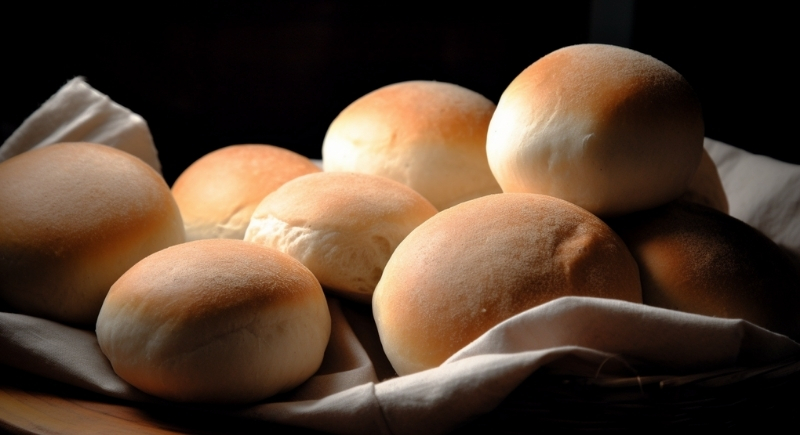
This additive strengthens dough and helps it rise evenly. In the U.S. it’s still used in breads, buns, and wraps, though many countries have banned it. The same compound is also used in making foam products like yoga mats and flip-flops.
Caramel Coloring Linked to Cancer
Credit: Canva
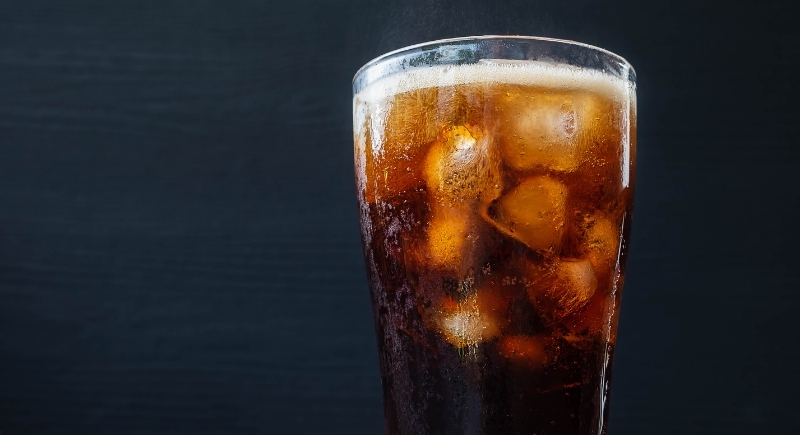
That rich brown hue in colas and sauces is often the result of caramel coloring, which forms through heating sugars with ammonia and sulfites. Certain types have been linked to cancer in animal tests. It’s still legal, but the debate around its safety keeps bubbling up.
Food Dyes Like Red 40 and Yellow 5
Credit: Wikimedia Commons
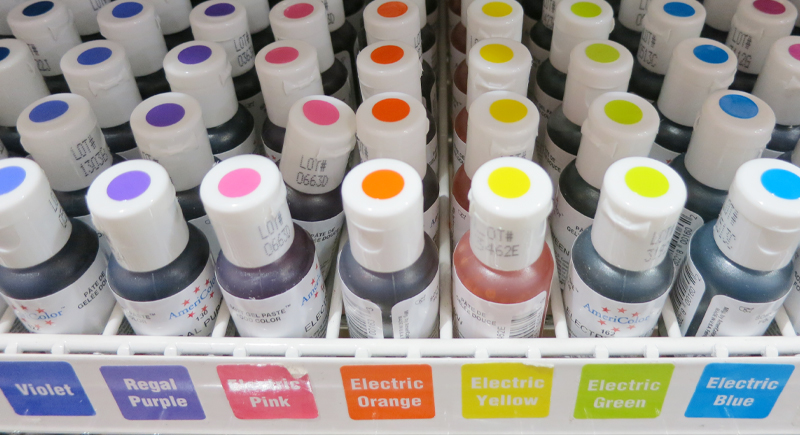
Artificial colorings keep fast food visually tempting. But Red 40 and Yellow 5 have been linked to hyperactivity in kids and are banned in some countries. In the U.S., they remain common despite decades of side-eye from concerned researchers and parents.
Ammonium Sulfate, a Common Fertilizer
Credit: Wikimedia Commons
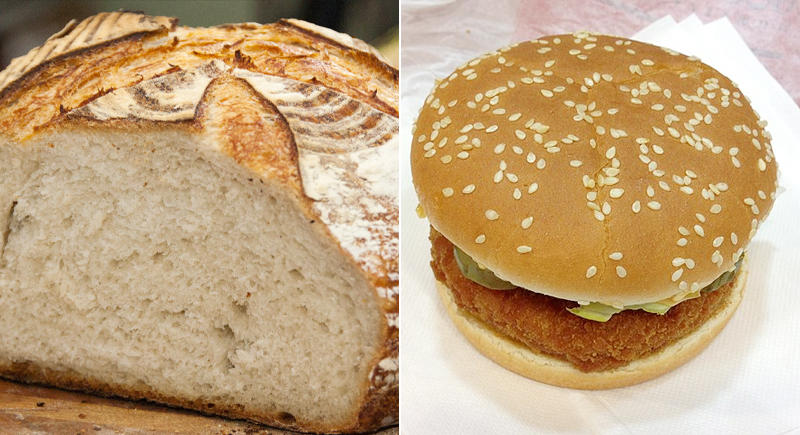
Ammonium sulfate is a dough conditioner used to help yeast grow in fast-food buns. It is also a familiar ingredient in fertilizer. It supports fluffy bread in the oven and lush lawns in your backyard. Its presence in burger buns doesn’t break any rules; it just stretches the idea of multitasking.
Phthalates in Meat-Based Meals
Credit: Wikimedia Commons
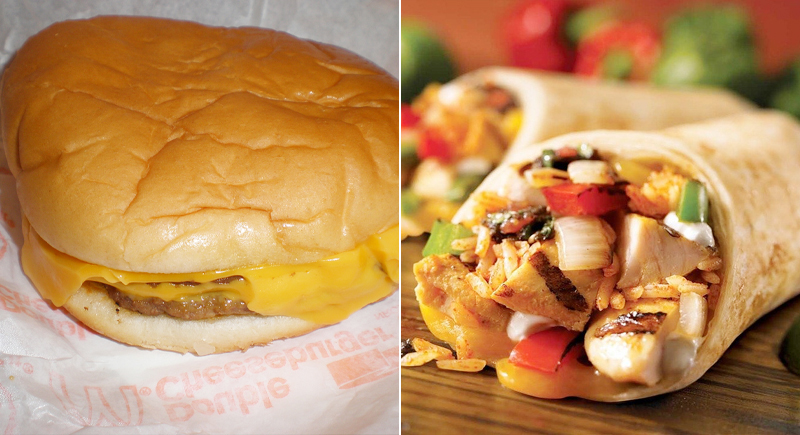
These plasticizers give flexibility to vinyl products like shower curtains and flooring. Shockingly, phthalates have also been detected in cheeseburgers and chicken burritos, likely leaching from packaging or equipment. Research has tied them to hormonal issues, which adds another layer to that drive-thru regret.
Sodium Nitrate in Processed Meats
Credit: Getty Images
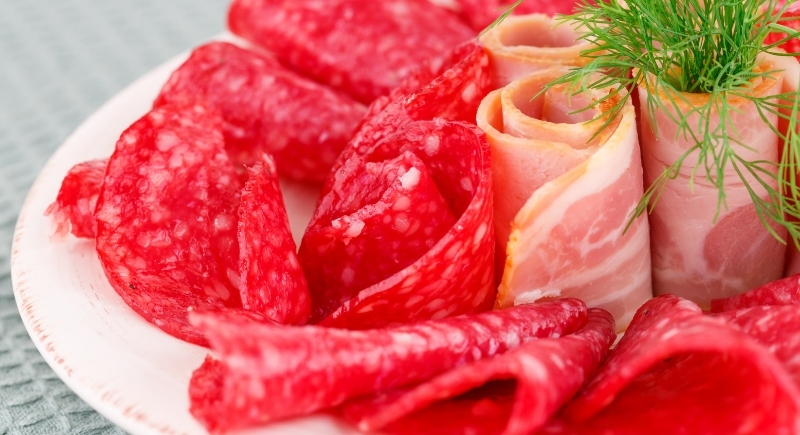
Processed meats stay looking “fresh” thanks to sodium nitrate, a preservative that fends off bacteria and locks in color. It’s what makes bacon and salami look pink instead of gray. That doesn’t come without a price: long-term overuse has been linked to certain cancers, including pancreatic.
Dextrose-Coated Fries
Credit: Wikimedia Commons
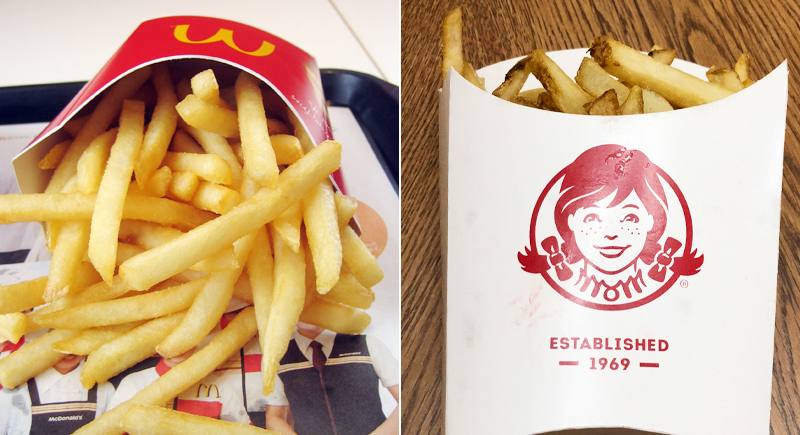
McDonald’s and Wendy’s use this corn-derived sugar on fries to guarantee a consistent golden color. While dextrose aids caramelization, it also adds hidden sugars to foods where you wouldn’t expect them. Even fries, it turns out, aren’t safe from sugar’s reach.
Potassium Bromate Still Used in U.S. Bread
Credit: Wikimedia Commons
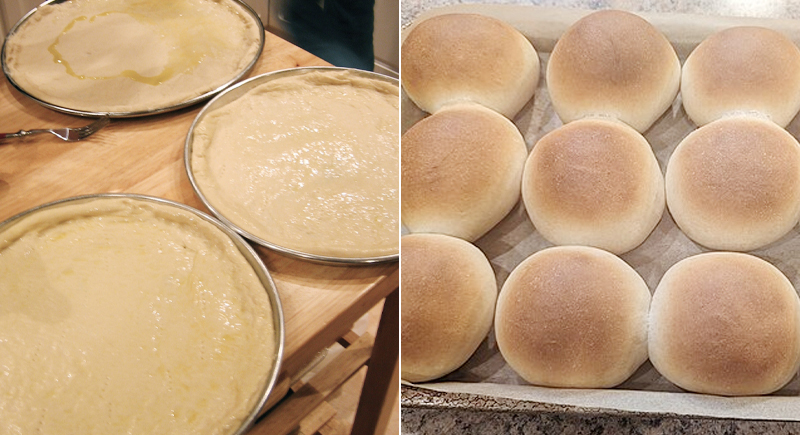
Many countries have outlawed this additive, but it remains permitted in the U.S. It’s mixed into dough to improve texture and boost volume. Health agencies classify it as a possible carcinogen because traces can survive the baking process. Even so, it still shows up in some pizza crusts and burger buns.