Fruit and Veggie Skins You Can Eat
Most of us peel fruits and vegetables without thinking twice. It feels automatic. But in many cases, the part that ends up in the trash is the most useful. Skins and peels often carry concentrated fiber, minerals, and protective compounds that never make it into the bowl. With a proper wash and a little prep, they can stay right where they are, adding texture, flavor, and real nutritional value instead of waste.
Apple Skins
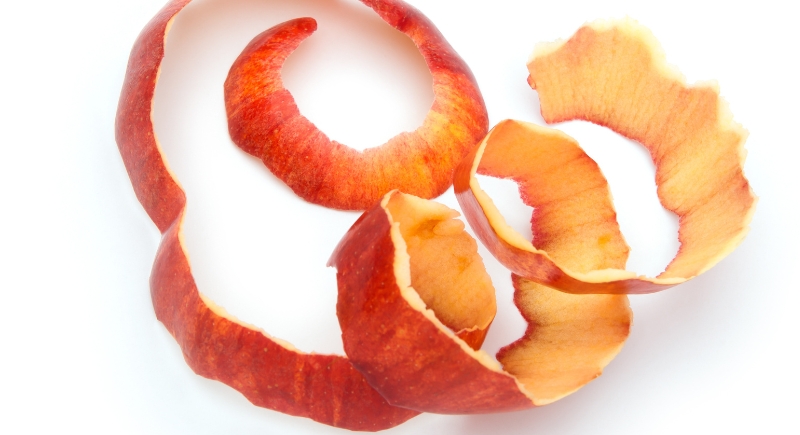
Image via Getty Images/freer
Apple peels are one of the most nutrient-dense parts of the fruit. They contain high levels of fiber along with antioxidants like quercetin, which has been linked to heart and brain health. The skin also helps regulate blood sugar absorption, making whole apples more filling than peeled slices.
Potato Skins
Potato skins deliver fiber, potassium, magnesium, iron, and vitamin C in higher concentrations than the interior. Much of the potato’s antioxidant content sits just beneath the skin, especially in red and purple varieties. Roasting or baking potatoes with the skin on preserves these nutrients and improves texture.
Kiwi Skins
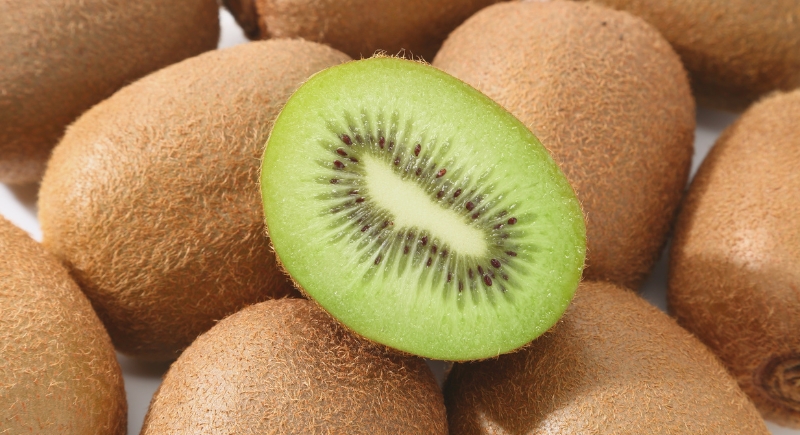
Image via Canva/Aflo Images
Despite their fuzzy reputation, kiwi skins are fully edible and surprisingly nutritious. Eating the skin can nearly double the fruit’s fiber intake while adding vitamin E, vitamin C, and polyphenols. Gold kiwis have smoother skins, but even green varieties become more palatable when sliced thin or blended.
Carrot Skins
Carrot skins hold beta-carotene, fiber, and polyacetylenes, compounds associated with anti-inflammatory and antioxidant effects. Scrubbing carrots instead of peeling them helps retain nutrients that support vision, immune function, and skin health. Much of the carrot’s nutritional value is lost when the outer layer is removed.
Cucumber Skins
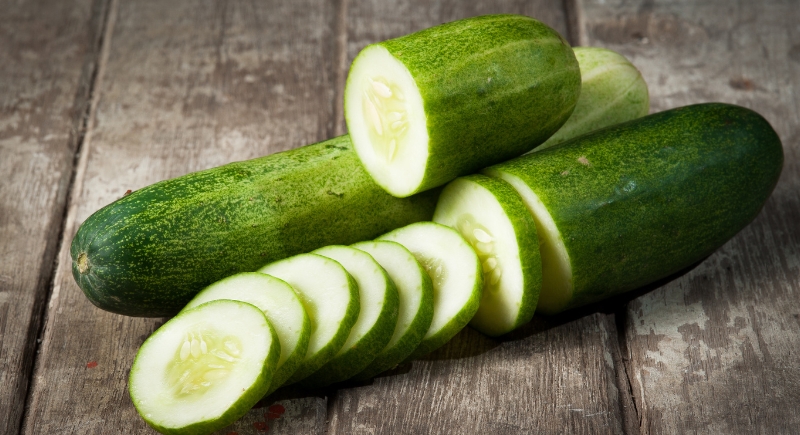
Image via Getty Images/showcake
The dark green skin of a cucumber contains most of its potassium, vitamin K, antioxidants, and fiber. Peeling removes a large portion of the vegetable’s nutritional value. If the cucumber is unwaxed and well-washed, keeping the skin intact supports digestion and bone health.
Grape Skins
Grape skins are rich in resveratrol, anthocyanins, and flavonoids, compounds linked to reduced inflammation and improved cardiovascular health. These antioxidants help protect cells from oxidative stress and support a healthy gut microbiome. The majority of grapes’ health benefits come from the skin, not the flesh.
Tomato Skins
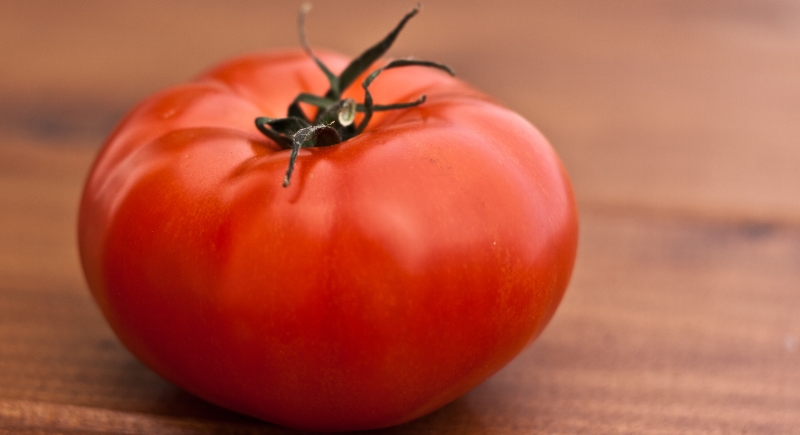
Image via Pexels/Karol G
Tomato skins contain significantly more lycopene than the pulp, an antioxidant associated with skin protection, heart health, and reduced cancer risk. The skin also contributes zinc, manganese, and copper. Cooking tomatoes with their skins can actually improve lycopene absorption.
Zucchini Skins
Zucchini peels provide fiber, potassium, vitamin C, and carotenoids like lutein and zeaxanthin, which support eye health. While slightly bitter in some cases, the skin softens when cooked and adds nutritional value without changing flavor dramatically.
Watermelon Rind
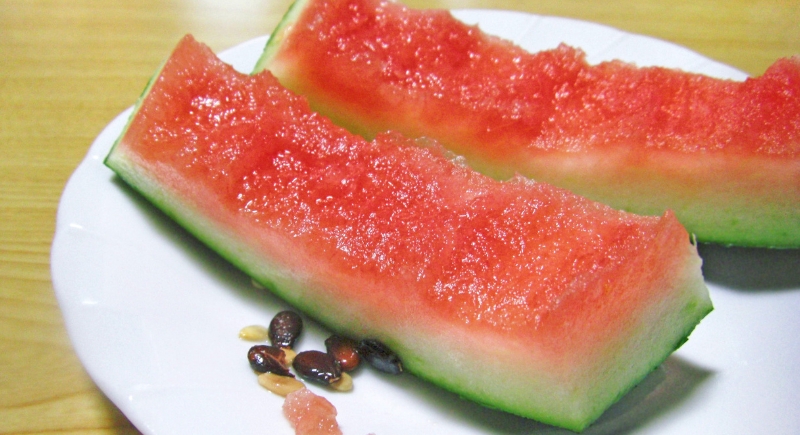
Image via Canva/Aflo Images
The rind is firm, pale, and often discarded, yet it contains citrulline, an amino acid that supports blood flow and muscle recovery. It also offers fiber and vitamins B6 and C. Pickling, stir-frying, or blending the rind makes it easier to eat and digest.
Citrus Peels and Zest
While not eaten in large chunks, citrus peels are widely consumed as zest. They contain more fiber than the fruit itself, along with vitamin C and polyphenols like limonene. Zest adds flavor while delivering antioxidant and anti-inflammatory benefits, especially when used fresh.