This Country Has Free Healthcare—and Banned McDonald’s
It’s not often you find a country that mixes wild, beautiful landscapes with forward-thinking policies, but Iceland does exactly that. Besides its volcanoes and glaciers, Iceland is known for making some unique choices as a country. Most people hear about the free healthcare, but that’s just the beginning. This small island stands out for lots of reasons—including the fact that you won’t find a single McDonald’s anywhere.
Healthcare Without the Hassle

Credit: Getty Images
You won’t find anyone digging through insurance paperwork before seeing a doctor here. Healthcare is public and largely free at the point of use. There are modest fees for some services, but insurance isn’t needed for basic care. It is one of Europe’s most efficient systems.
No Big Macs, No Problem
Credit: Wikimedia Commons
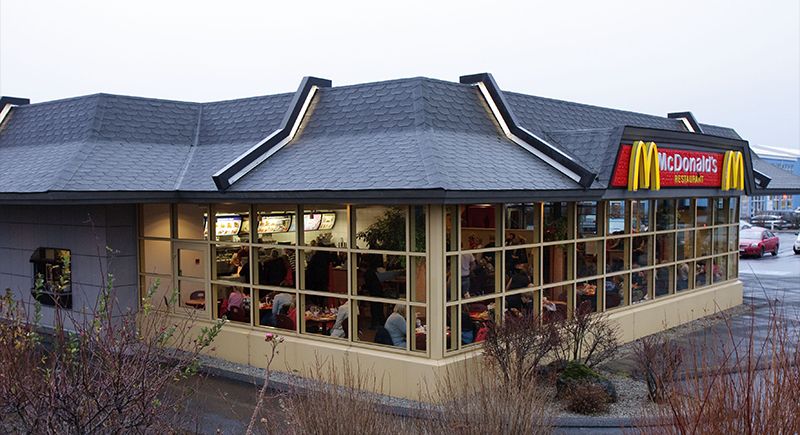
McDonald’s closed its Iceland locations during the 2009 financial crisis and hasn’t returned. The country’s high import costs and preference for local ingredients made the model unsustainable. Locals also prefer food that actually tastes like food, such as lamb soup, geothermal-baked rye bread, and hot dogs with crunchy onions.
Geothermal Pools Instead of Saunas
Credit: flickr
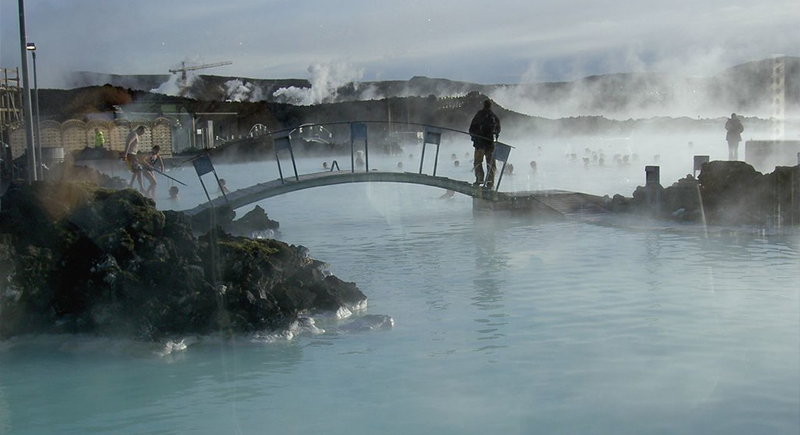
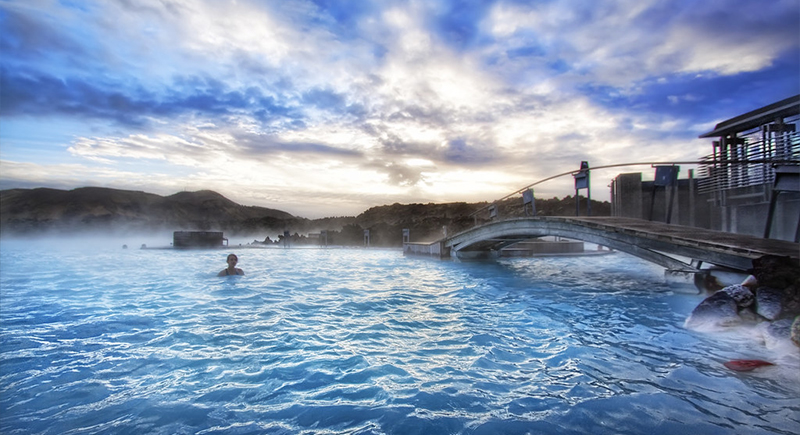
Locals don’t need luxury spas when naturally heated pools are everywhere. Public geothermal baths are part of daily life. The Blue Lagoon is the most famous, but every region has its own neighborhood pool warmed by volcanic energy.
A Tight-Knit, Low-Crime Society
Credit: pexels
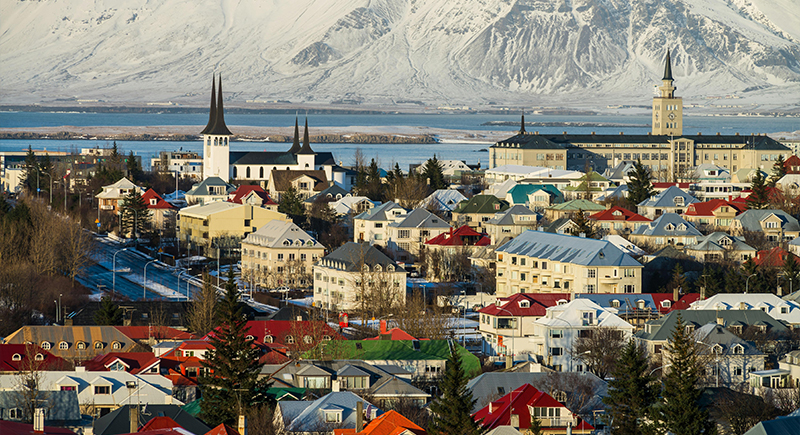
With just under 400,000 people, the population in Iceland is more like an extended family than a nation. Most folks know each other, at least by a degree or two. That closeness shows up in low crime rates, high public trust, and an almost casual approach to safety. Even the police rarely carry guns.
Fresh Food Over Fast Food
Credit: Getty Images
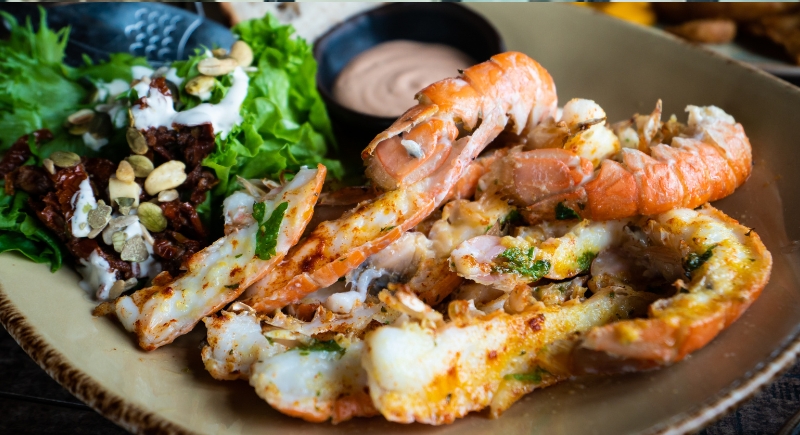
McDonald’s absence hasn’t left a culinary gap. In fact, Icelandic cuisine thrives on seafood, lamb, dairy, and wild herbs. Even their hot dogs (pylsur) are local legends. Fast food exists, but it’s often homemade, locally sourced, and wrapped in centuries of tradition.
Universal Parental Leave

Credit: Getty Images
New parents receive up to 12 months of shared paid leave, split between both caregivers. This policy has been in place for decades and supports gender equality at home and work. The generous family support reflects the broader approach to social welfare.
Affordable Higher Education

Credit: LuckyImages
Public universities in Iceland charge a registration fee, but tuition is either free or incredibly low for residents. Higher education is seen as a public service, not a debt trap. Students graduate without the financial hangover, and that shifts how people approach both work and study.
Renewable Energy Powers Nearly Everything
Credit: Wikimedia Commons
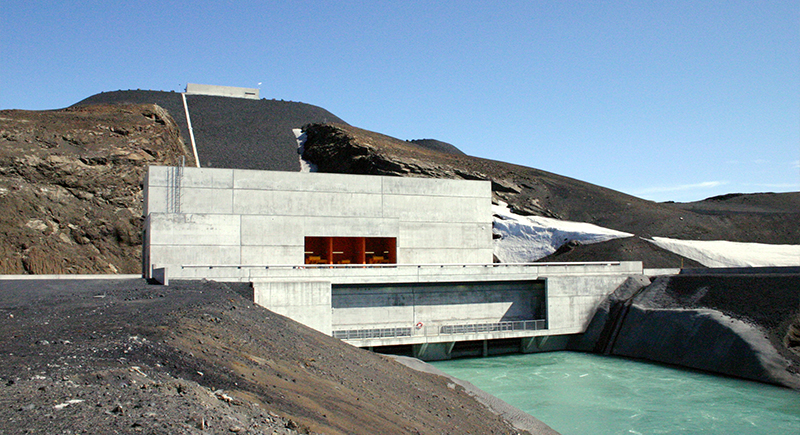
Hydropower and geothermal energy keep the lights on, the pools hot, and the homes cozy. Nearly all of Iceland’s electricity and heating is renewable. It requires no coal or nuclear power. This reliance on natural energy minimizes emissions and keeps household utility costs low.
Island Life, Global Mindset
Credit: Getty Images
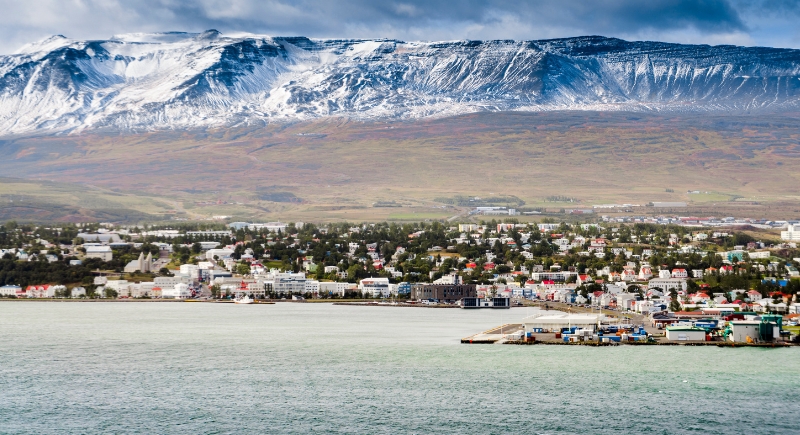
Despite geographic isolation, Icelanders are among the most well-traveled and multilingual populations in Europe. English is widely spoken, and most people travel abroad frequently. Yet they’re also deeply connected to their own language and cultural identity.
No Army
Credit: Getty Images
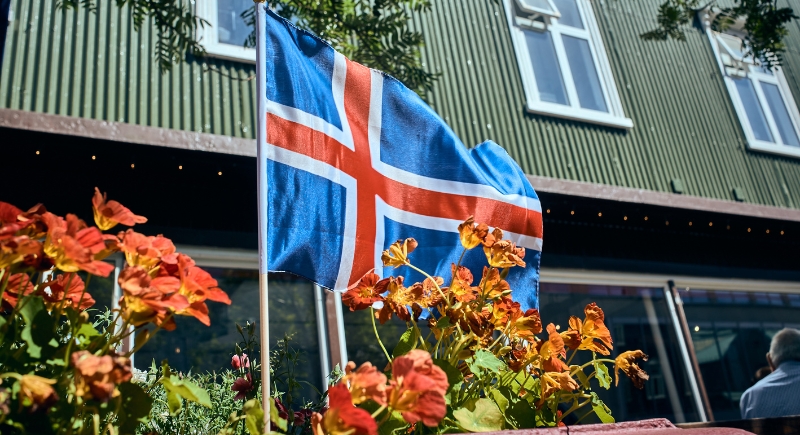
Iceland has no standing military. Defense is handled through agreements with NATO allies, particularly the U.S. This approach supports a peaceful national identity and frees up resources for social spending rather than military budgets.
Sustainable Tourism Policies
Credit: Canva
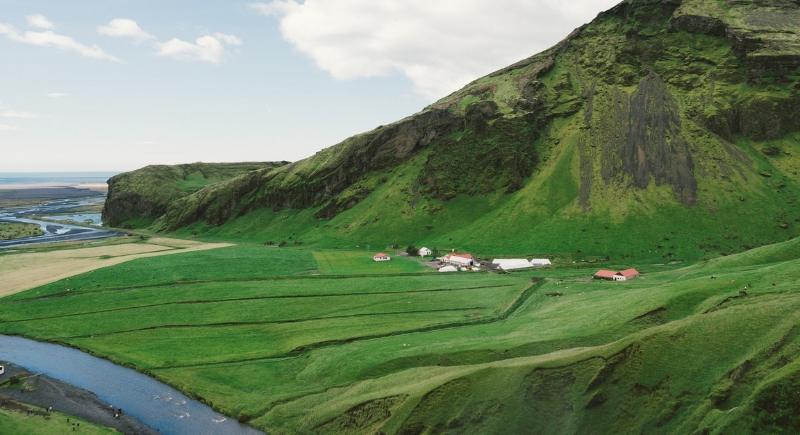
Tourism is welcome, but not a free-for-all. Visitor caps, environmental fees, and guided-only zones help protect fragile sites. Iceland prefers travelers who are respectful and aware, not just looking for selfies in front of waterfalls.
Accessible Nature Everywhere
Credit: Getty Images
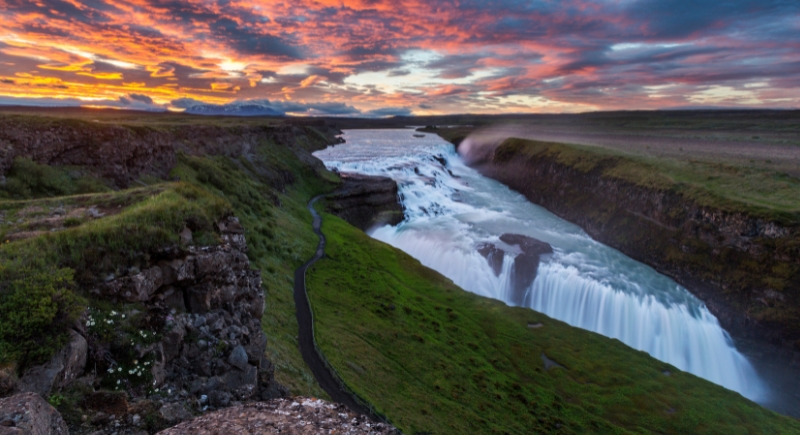
Most Reykjavik residents are a short walk or drive from actual wilderness, like lava fields, waterfalls, glacier views, or steaming springs. Access to the outdoors supports wellness and public health by integrating environmental beauty into daily life.
No Billboards, Less Noise
Credit: Getty Images
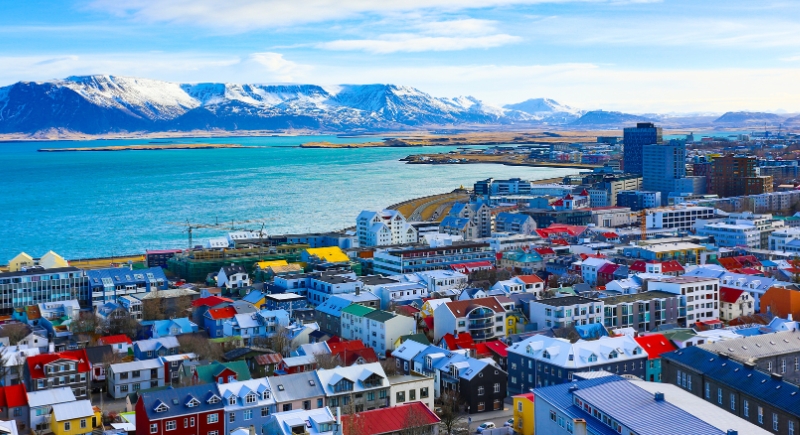
Visual pollution is minimal since billboards are banned across the country. This preserves Iceland’s natural scenery and prevents commercial overreach. So when you look around, there’s no visual clutter.
Book-Loving Society

Credit: studioroman
Every Christmas, Icelanders flood bookstores. “Jólabókaflóðið,” or the Christmas Book Flood, means books are the go-to gift. New titles are released for the season, and families curl up with new reads on Christmas Eve. Iceland publishes more books per capita than almost any other country.
Community Pools as Social Hubs
Credit: flickr
Public swimming pools double as meeting places. They are forums for conversation, unwinding, and catching up on local news. It’s where Icelanders of all ages come together to reinforce the sense of shared space and public well-being.