France Has So Much Cheese that You Could Literally Never Try It All
In 1962, President Charles de Gaulle asked how anyone could govern a country with 246 kinds of cheese, and at the time, that number sounded outrageous. But today, it feels almost modest. The official industry body, CNIEL, puts the total closer to 1,200 varieties, while some estimates range from 400 to 1,000. But even if you count them, the math creates a problem: if someone tried a new cheese every single day, the list would stretch on for years.
The Numbers Are Wild

Image via Canva/Narcisa Palici’s Images
About 96 percent of French people eat cheese, and nearly half eat it daily. The average person goes through roughly 24 to 27 kilograms each year. That is more than 50 pounds, and production matches that appetite. In 2023, France produced about 1.9 million tons of cheese. In 2022, more than 7,50,000 tons were exported, generating around €4 billion. Domestic sales reached about €7.5 billion. Germany, Italy, Spain, the United States, and the United Kingdom are major buyers, with growing demand in Asia and the Middle East.
Why The Count Keeps Climbing
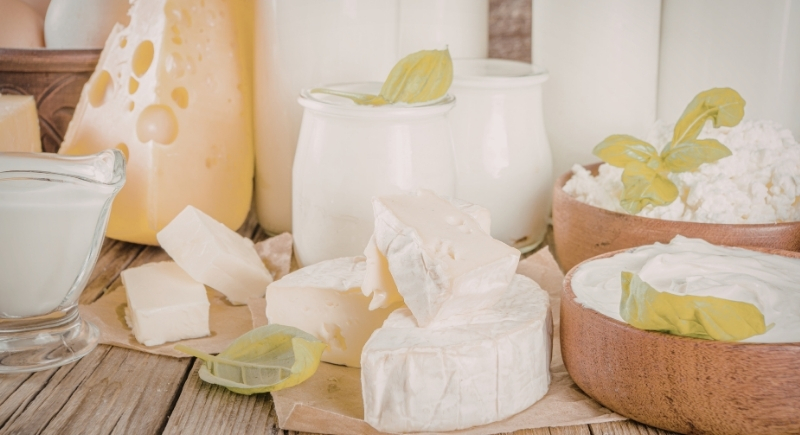
Image via Canva/Doina Tocmelea’s Images
The reason the total number keeps changing comes down to classification. French cheese can be grouped by milk type, texture, aging method, and production style. Cow’s milk is at the top, but goat and sheep milk play major roles. There are soft cheeses like Brie and Camembert, hard mountain wheels like Comté and Cantal, blue cheeses such as Roquefort, fresh cheeses like fromage frais, and spreadable varieties that fill supermarket shelves.
Then there are legal protections. Labels such as AOC and AOP tie certain cheeses to specific regions and traditional methods. Camembert is linked to Normandy, Roquefort must age in the caves of Roquefort-sur-Soulzon, and Comté comes from the Jura Mountains. Each protected designation locks in geography, technique, and raw materials, which adds more distinct versions to the national total. Even small tweaks in aging or milk source can create a new recognized variety.
Cheese As Cultural Currency
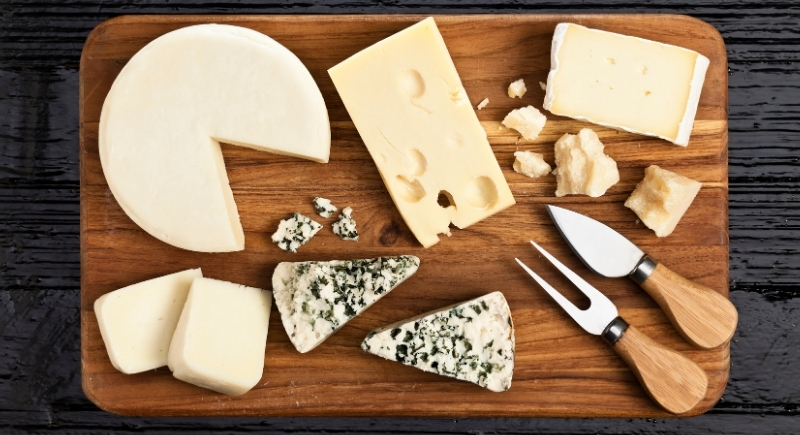
Image via Getty Images/fcafotodigital
In France, cheese is usually treated as the main course and often replaces dessert. The phrase “fromage ou dessert” signals a real choice at the end of a meal. It’s typically eaten with bread.
Specialists called affineurs mature cheeses to their ideal stage before sale. Philippe Olivier in northern France built a reputation as one of the country’s most famous names in that field. Competitions such as the Mondiale du Fromage turn production and aging into a public spectacle. Even everyday language reflects the obsession. The idiom “en faire tout un fromage” means making a big deal out of something.
Strong Smells, Strong Opinions
France’s reputation for pungent cheese is well earned. Maroilles has been produced in the north for more than 1,300 years. Vieux Boulogne once topped a British study that used an electronic nose to measure odor intensity. Blue cheeses develop veins thanks to specific molds, and their sharp profiles command respect at the table.
Everyday staples are more approachable. Emmental is used in sandwiches and gratins, Camembert remains the unofficial symbol of the country, Comté signals a step up in price and prestige, and Cantal traces its history back to Roman times, with Pliny the Elder mentioning cheese from the region in 77 AD.
With this mix of ancient tradition, strict regional rules, industrial scale, and constant reinvention, a person could spend three straight years tasting a different French cheese each day and still have plenty left on the counter.