What Dinner Looked Like in the 70s (And Honestly, It Slapped)
The 1970s introduced dishes that had convenience, flavor, and earned a spot at family tables, buffets, and lunch trays. These dishes once played a real part in shaping how Americans related to mealtime. Let’s check out some of them below.
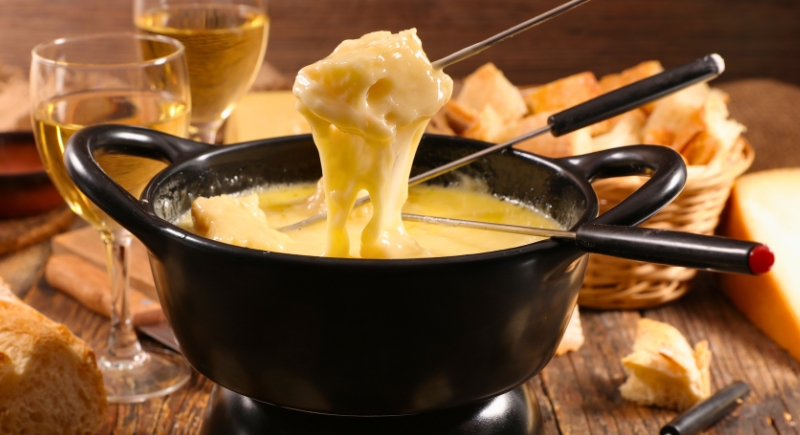
Fondue
Credit: Getty Images
People set up fondue pots right in the middle of the table. The classic version includes Swiss cheese melted with beverages, and chocolate fondue became loved shortly after. The dish specifically turned into a favorite after the 1964 World’s Fair, then exploded in popularity during the ’70s.
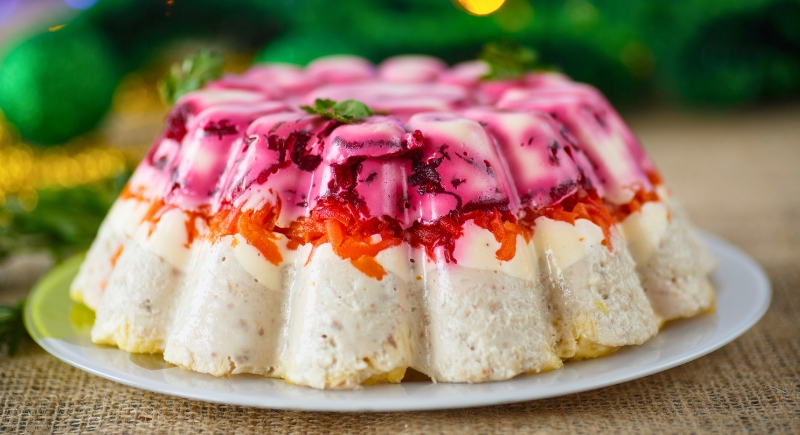
Jell-O Salad
Credit: iStockphoto
These gelatin molds were sweet desserts that could combine fruit, vegetables, and meats into colorful, wobbly creations that sat at the center of many buffet tables. Molded Jell-O salads showed up at church functions, family reunions, and holiday dinners. They held their shape well, even when left out for hours.
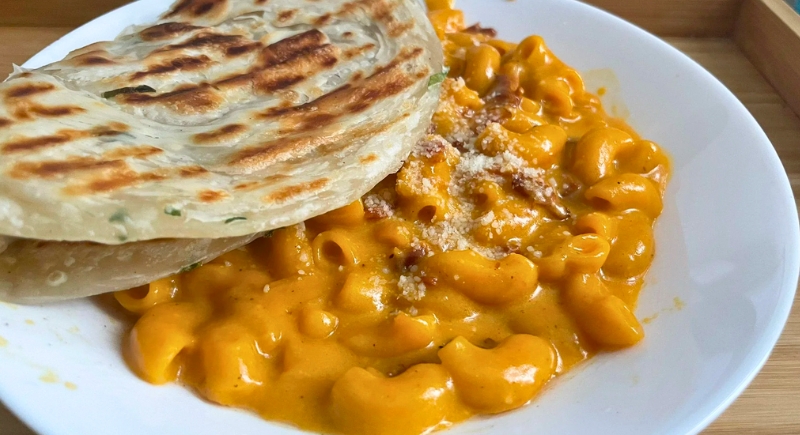
Hamburger Helper
Credit: Reddit
Launched by General Mills in 1971, Hamburger Helper gave families a way to stretch a single pound of beef into a complete meal. The boxed kit included noodles and a powdered sauce mix. All you needed to add was meat, milk, and water.
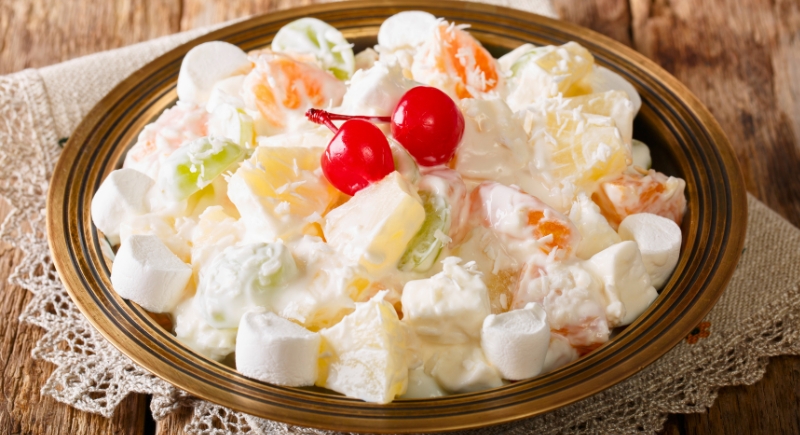
Ambrosia Salad
Credit: Getty Images
Ambrosia salad was made with canned fruit, marshmallows, coconut, and whipped topping, and usually served at holiday dinners in Southern households. It was whipped up the night before and left to chill in the fridge. Despite being low in protein, it is still made on Thanksgiving or Easter when the hosts bring out familiar, family-style dishes.
Brown Bean Chowder
Credit: Facebook
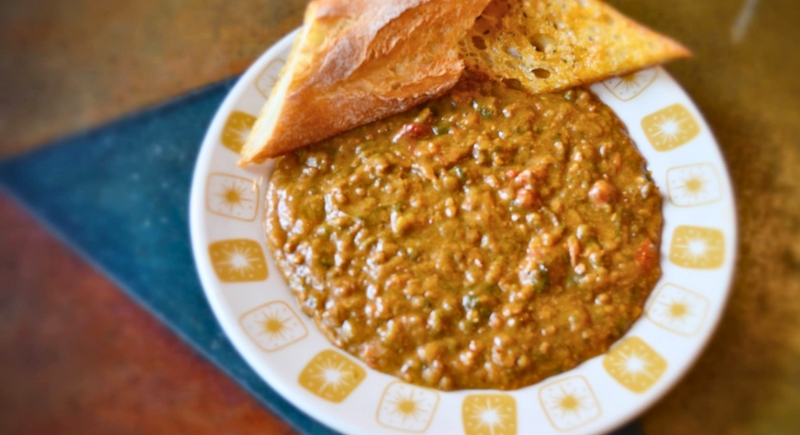
Tulsa public schools served brown bean chowder regularly throughout the decade. The soup combined pinto beans, onions, and basic seasonings into a thick, hearty meal. It didn’t require expensive ingredients, which made it budget-friendly for large-scale cooking. What people remember most was the pairing—cinnamon rolls were often served with it to create a mix of savory and sweet.
Steak Diane

Credit: Reddit
The name Steak Diane references Diana, the Roman goddess of the hunt, though the modern version dropped its venison origins. It was a symbol of upscale dining. As tastes shifted toward lighter preparations, it started disappearing from menus, but it continues to occasionally turn up in classic steakhouse lineups.
Cheese Ball
Credit: iStockphoto
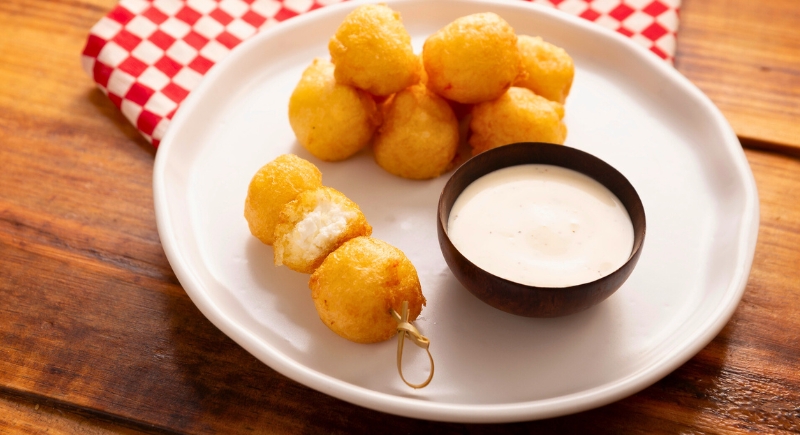
Serving cheese balls at gatherings made hosting easier and straightforward. Cooks added cream cheese with cheddar, garlic, or dried beef, shaped the mixture into a ball, and covered it with chopped nuts or herbs. Guests helped themselves throughout the evening, and the leftovers kept well in the fridge.
Coronation Chicken
Credit: Reddit
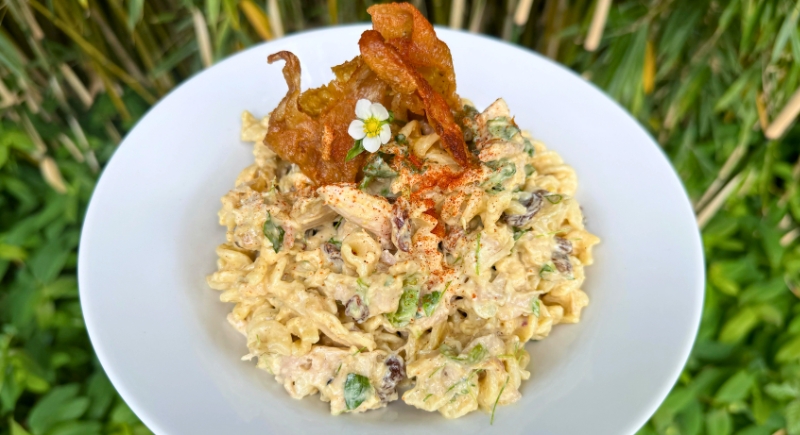
Originally developed in 1953 by Le Cordon Bleu London, Coronation Chicken gained popularity in American cookbooks in the ‘70s. It included cooked chicken in a mayonnaise-based curry sauce served cold over rice. The flavor was sweet, due to the occasional raisins or sultanas replacing harder-to-find ingredients like pimentos.
Stuffed Artichoke Hearts
Credit: Instagram
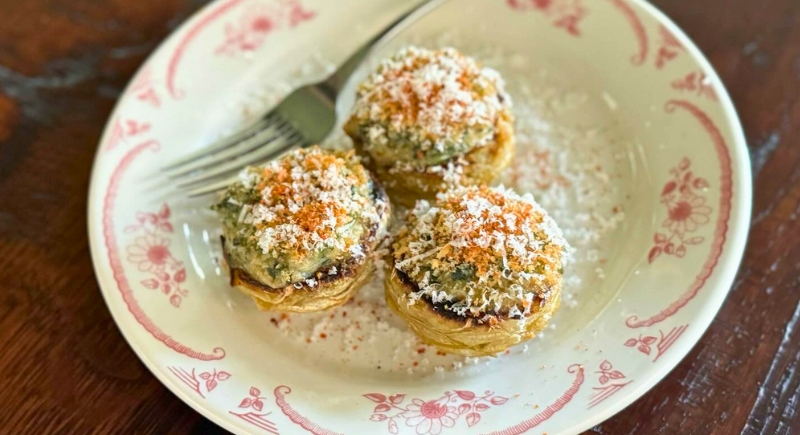
It was common practice for home cooks to use canned or frozen artichoke hearts. They would stuff them with breadcrumbs, garlic, parmesan, and parsley before baking them until crisp.
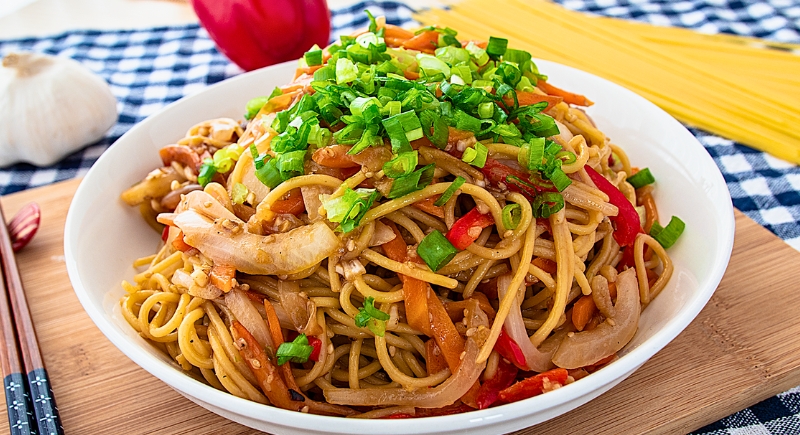
Traditional Chow Mein
Credit: Reddit
By using familiar ingredients like ground beef, cabbage, and soy sauce, home cooks turned chow mein into a quick weeknight meal. These adaptations didn’t follow traditional Chinese methods, but they introduced new flavors.
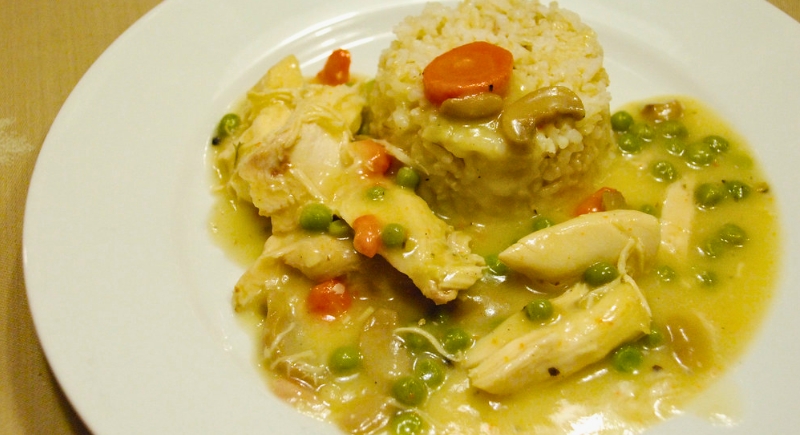
Chicken à la King
Credit: flickr
Pouring Chicken à la King over toast, puff pastry, or rice made dinner feel complete without much effort. The dish used chopped chicken, bell peppers, mushrooms, and pimentos in a creamy butter-and-milk sauce thickened with flour. With over 400 calories per serving, it was filling enough to serve as a full meal.
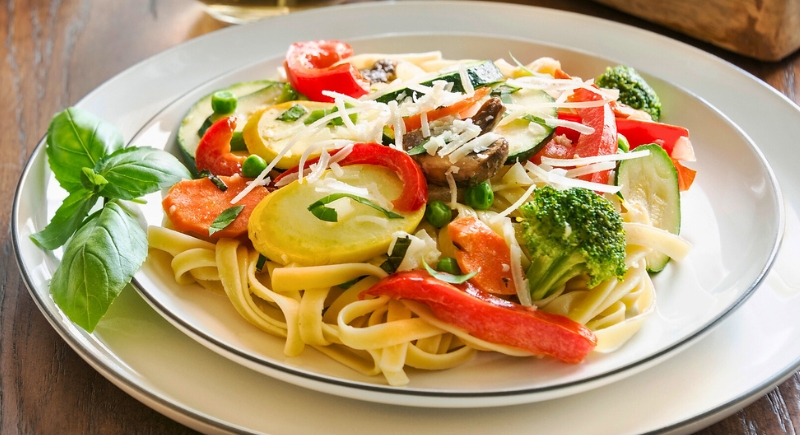
Pasta Primavera
Credit: iStockphoto
A 1977 New York Times feature helped Pasta Primavera gain national attention and sparked interest among home cooks. The dish had debuted a few years earlier at Le Cirque in New York, where it stood out for its use of lightly sautéed vegetables like zucchini, peas, and bell peppers in a delicate cream sauce.
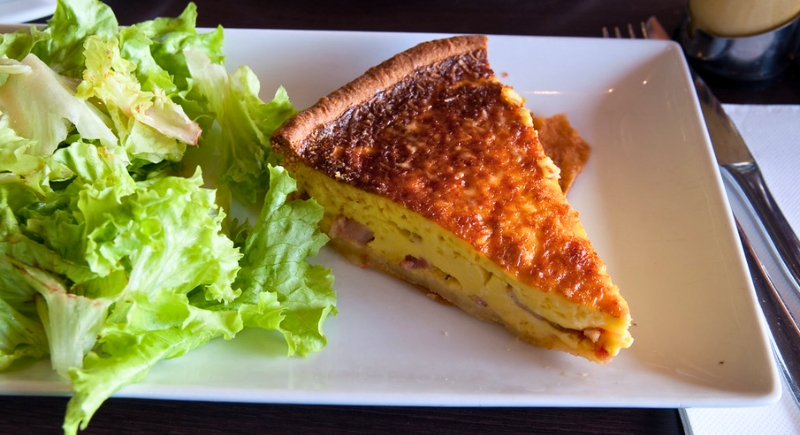
Quiche Lorraine
Credit: flickr
Julia Child introduced Quiche Lorraine to a wide American audience by featuring it on her cooking shows in the early 1970s. The dish combined eggs, cream, bacon, and Swiss cheese baked into a pie crust. Her influence made it feel accessible, even to home cooks unfamiliar with French recipes.
Deviled Eggs
Credit: flickr
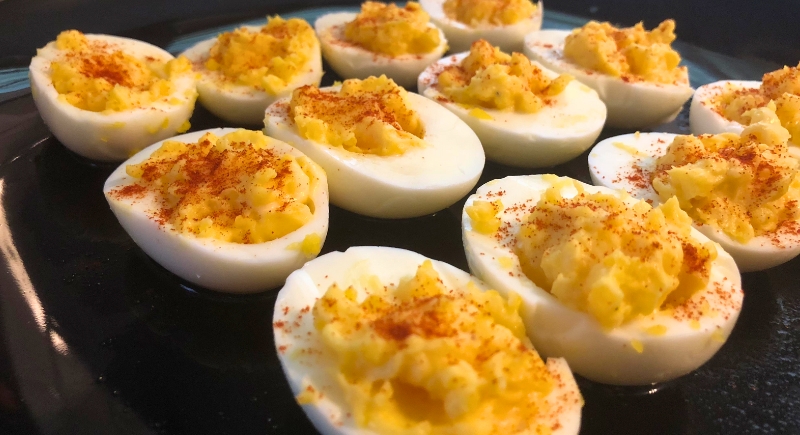
Feeding a crowd on a budget pushed numerous families to rely on simple, filling options, and deviled eggs fit that need perfectly. A dozen eggs, some mustard and mayonnaise, and a sprinkle of paprika made enough for a full platter. No special tools or ingredients were needed.
Black Forest Cake
Credit: iStockphoto
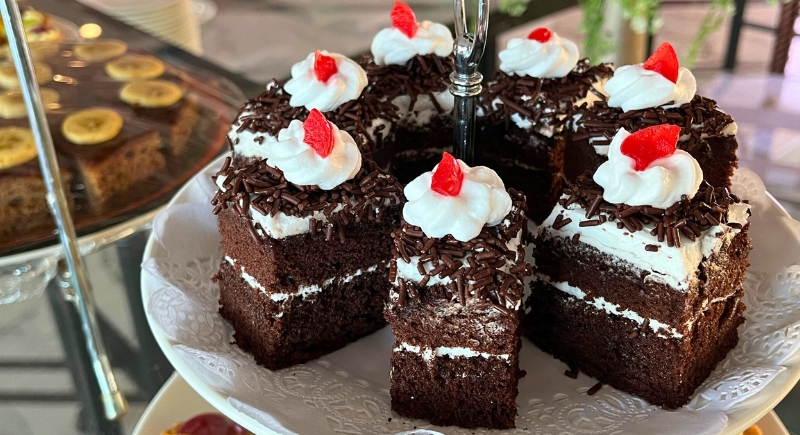
This cake featured layers of chocolate sponge, whipped cream, and cherries soaked in syrup or Kirsch, a cherry liqueur. It originated in Germany but made its way into American bakeries and cookbooks by the 1970s. It was often a regular at birthdays and anniversaries. Even now, it’s occasionally found in European bakeries or in specialty dessert sections.