Foods That Are Actually Still Alive When You Eat Them
Some dishes around the world are served while the animal is still alive or continues moving on the plate. In certain cases, seafood such as octopus or shrimp is prepared immediately before serving to preserve freshness. Videos of these meals often spread online because the movement can surprise viewers. In several cultures, however, these foods have long been treated as traditional delicacies.
Sannakji
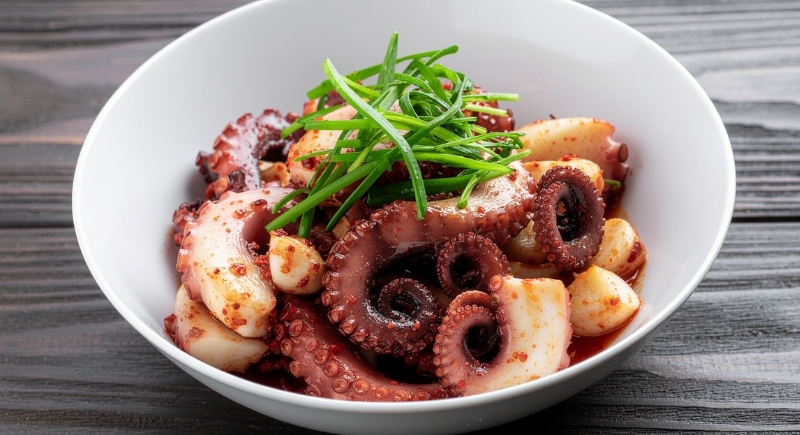
Image via Canva/TrueCreatives
South Korea’s sannakji might be the most famous example of a food that still moves during the meal. The dish uses small octopus, usually chopped into bite-sized pieces and tossed in sesame oil before being served. The octopus was alive only moments earlier, so its tentacles continue to wriggle due to nerve activity.
Eating it requires a bit of caution. The suction cups remain active and can stick to the mouth or throat if someone rushes through the bite. Several choking incidents over the years have made the dish a regular topic in safety discussions.
Ikizukuri
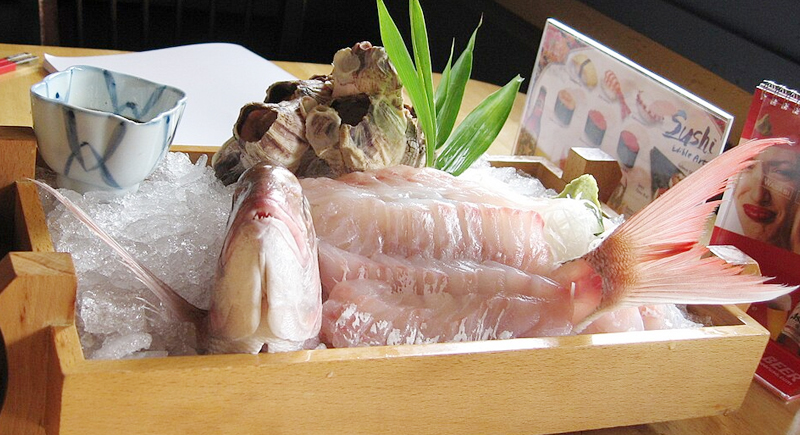
Image via Wikimedia Commons/Underbar
Ikizukuri translates to “prepared alive.” Diners often choose a fish or other seafood directly from a restaurant tank. A chef then immediately slices portions of the fish and serves them as sashimi while the body may still be moving on the plate.
The practice emphasizes freshness and precise knife work. The movement observed during the presentation usually results from lingering nerve activity. Because of animal welfare concerns, some countries, including Germany, have banned the practice.
Ying Yang Yu
China has its own controversial entry known as ying yang yu, sometimes called the “dead-and-alive fish.” The preparation keeps the fish’s head protected with a damp cloth while the body is quickly deep-fried. When the dish arrives at the table, the cooked body sits beside a head that can still move and breathe for a short time. Restaurants that serve it claim the technique proves the fish was fresh before cooking. The contrast between a crispy body and a living head gives the dish its yin-and-yang name.
Drunken Shrimp
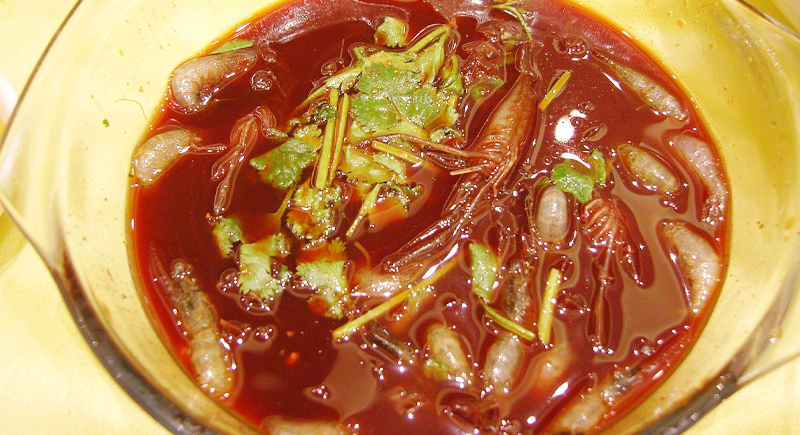
Image via Wikimedia Commons/James Creegan
Drunken shrimp places live freshwater shrimp in a bowl of alcohol, often baijiu. The shrimp absorb the alcohol while diners catch them and eat them almost immediately. Restaurants sometimes serve the dish with a lid because the shrimp can leap out of the container. The alcohol gives the seafood a distinctive flavor and slows their movement slightly.
Frog Sashimi
Frog sashimi appears in parts of Japan, China, and Vietnam. Bullfrogs are commonly used for the dish, and preparation begins after the order reaches the kitchen. The frog is quickly filleted while the heart continues beating, and thin slices of meat are served raw.
Diners often see the frog’s body presented on the plate alongside the sashimi pieces. Advocates argue that the method highlights freshness and texture. Others find the presentation unsettling, which explains why the dish often sparks debate online.
Sea Urchins
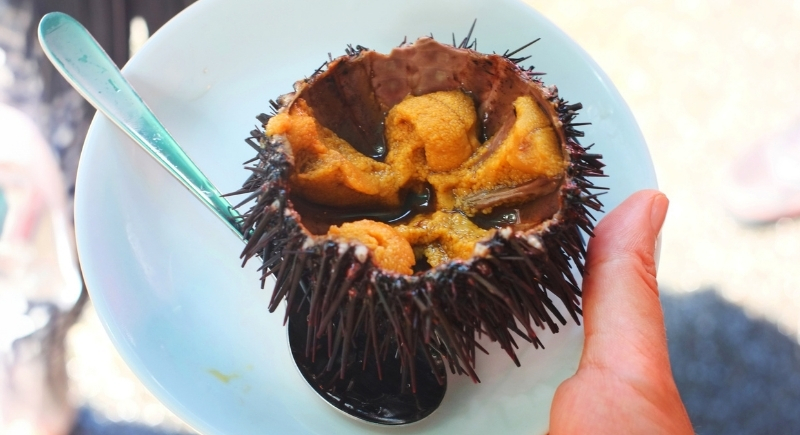
Image via Canva/Aflo Images
Sea urchins look intimidating with their spiky shells, but they’re a prized seafood across Japan, Italy, and coastal regions worldwide. Once opened, the edible roe inside can be eaten immediately while the creature is still alive. In Japan, the rose is known as uni and often appears in sushi. Coastal divers sometimes crack open the shell right after pulling an urchin out of the ocean, scooping the roe with a spoon.
Oysters
Plenty of diners have already eaten a living creature without realizing it. Fresh oysters are typically alive until the moment they are shucked. Restaurants keep them on ice and open the shells just before serving, as oysters deteriorate quickly after death. The meat remains alive while it sits in the shell, which is why diners usually swallow it immediately after adding lemon or mignonette sauce.