Foods Americans Were Told to Avoid That Are Changing Under New Nutrition Rules
The 2025 to 2030 Dietary Guidelines for Americans were released by the United States Departments of Health and Human Services and Agriculture, with Health Secretary Robert F. Kennedy Jr. having a central role in the rollout. The headline message focused on eating more whole foods, boosting protein intake, and cutting back on added sugar and highly processed foods.
Officials emphasized moderation instead of broad avoidance. Saturated fat limits remained at no more than 10 percent of daily calories, but the tone softened around foods that contain it. This part is important because it reshapes how people interpret grocery choices.
Full-Fat Dairy Moves Out Of Time-Out

Image via Getty Images/beats3
Milk, yogurt, and cheese with their fat intact spent years pushed aside in favor of low-fat versions. Under the new guidance, full-fat dairy is back at the table, described as a source of fat-soluble vitamins like A, D, E, and K. Nutrition experts point out that fat helps absorb those nutrients and can increase satiety, which may reduce constant snacking. However, full-fat does not mean unlimited because calories add up quickly, and saturated fat still counts toward that 10 percent ceiling. The change shows flexibility rather than a free pass.
Butter And Beef Tallow Return

Image via iStockphoto/S847
Butter and beef tallow once symbolized everything nutrition advice warned against. The updated guidelines list them as acceptable cooking fats, while still prioritizing unsaturated oils like olive oil. Butter offers vitamins A and K2 and contains butyric acid, which researchers associate with anti-inflammatory effects. Beef tallow has a mix of saturated and monounsaturated fats, similar in balance to some plant oils. Experts continue to stress the importance of restraint, especially for people managing cholesterol levels.
Red Meat Regains Context
Red meat carried a warning label in many households. The new guidelines encourage a range of protein sources, including red meat, poultry, seafood, eggs, and plant-based options. Red meat provides all nine essential amino acids, plus heme iron and zinc, nutrients that support immune function and oxygen transport. Varying protein choices helps keep overall intake balanced. Health groups like the American Heart Association continue to advise leaning toward lean cuts and mixing in plant proteins.
Protein Targets Jump Higher
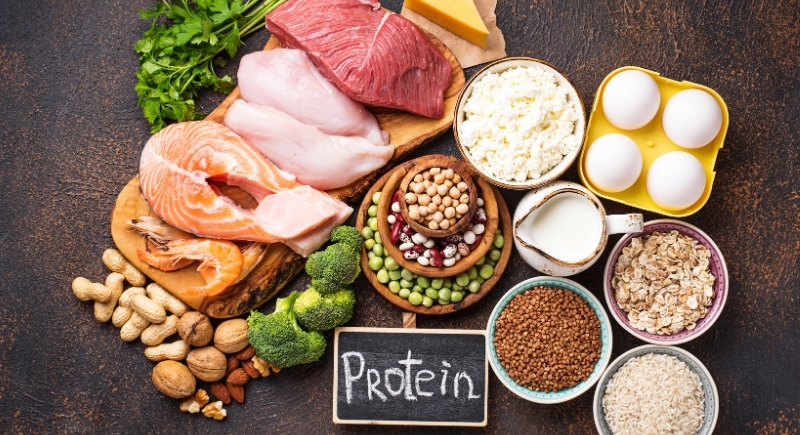
Image via Getty Images/yulka3ice
One of the biggest numerical changes involves protein itself. Previous guidance set the recommended intake at 0.8 g/kg body weight. The new range is 1.2-1.6 grams/kg. For a 150-pound adult, that means roughly 82 to 109 g/day. Supporters argue this helps displace refined carbohydrates and supports muscle health. But critics worry higher targets could raise calorie intake if food choices lean heavily toward animal sources.
Sugar Gets A Sharper Warning

Image via Getty Images
Added sugar faces tougher language than before. The guidelines state that no amount of added sugar fits into a healthy diet and recommend limiting any single meal to 10 grams or less. The average American consumes about 17 teaspoons per day, according to the United States Centers for Disease Control and Prevention. The gap explains why this part of the guidance earned rare agreement across expert camps.
Alcohol Steps Out Of The Numbers Game
Previous limits of one drink per day for women and two for men are gone. The new advice urges people to drink less for better health and specifies groups who should avoid alcohol entirely. The World Health Organization has said no amount of alcohol is safe, while United States data links alcohol to several cancers.