Fitness Expert Shares the Best Time to Cut Off Caffeine for Better Sleep
If you’re tossing and turning with no sleep on the horizon, chances are, it’s not stress or bad luck keeping you awake. More often than not, it’s that late-day coffee or pre-workout drink you thought wouldn’t matter.
Let’s learn more about how the timing of your caffeine habit can make or break your sleep.
Why Sleep Deserves More Credit
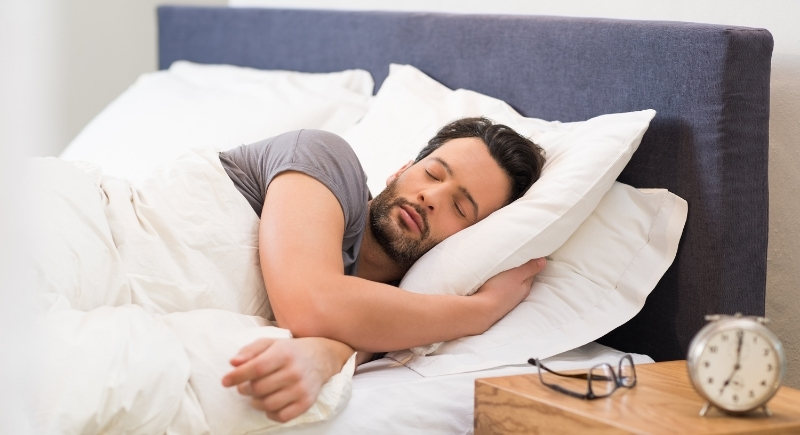
Image via Canva/Rido
Sleep is when your body repairs muscles, organizes memories, balances hormones, and helps you mentally reset. Sleep scientists emphasize that 7 to 9 hours of rest is essential if you want your workouts to pay off or even if you just want to function at your best.
How Caffeine Really Works
Caffeine doesn’t actually give you extra energy. What it does is block adenosine, a chemical in your brain that signals tiredness. That’s why you suddenly feel more awake, even if your body is ready to slow down. It also influences neurotransmitters like dopamine and noradrenaline, which create the alert, focused feeling many people crave.
The problem is that caffeine’s effect lingers for hours, and when bedtime rolls around, it can delay melatonin, the hormone that helps your brain settle into sleep.
What Science Shows About Sleep and Caffeine

Image via iStockphoto/Pheelings Media
A 2023 study dug into how caffeine impacts sleep and found measurable downsides. On average, it shaved 45 minutes off total sleep time and lowered sleep efficiency by 7%. It took people nine minutes longer to fall asleep and they stayed awake for about 12 extra minutes during the night.
The quality of sleep suffered, too, with less deep, restorative sleep and slightly more time spent in lighter stages of rest. Even if you think you’re getting your full eight hours, caffeine can quietly reduce the quality of that rest.
The Cutoff Rule You Need to Follow

Image via Getty Images/oleksajewicz
So when should you cut yourself off? Research suggests it depends on both the dose and the individual. For a standard cup of coffee, which contains around 95 to 100 milligrams of caffeine, avoiding it about 8 to 9 hours before bed is usually enough to reduce adverse effects.
These are general guidelines, and since sensitivity varies, some people may need even more time.