Fibre Is the Nutrient Everyone’s Missing. Here Are 7 Easy Fixes
For something so good for you, fiber gets shockingly little attention. It helps prevent heart disease, type 2 diabetes, colon cancer, and even boosts brain and gut health, but most people still don’t get nearly enough. The good news is that upping your fiber is easier and more fun than you might think. Here’s how!
Rethink the Way You Make Toast

Credit: Getty Images
Swap your white bread for whole wheat and top it with peanut butter and an orange. You’ve just hit 8 grams of fiber before 9 a.m. If you want bonus points, stir some chia seeds into your jam. They don’t taste like much, but they offer a considerable amount of fiber.
Leave the Peels On
Credit: Getty Images
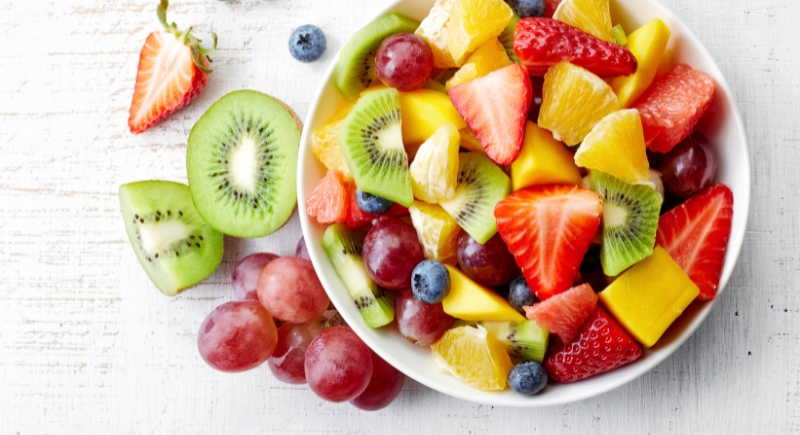
Peeling fruits and veggies can rob you of half the fiber. Apple skins, cucumber peels, and sweet potato jackets all contain insoluble fiber that keeps digestion moving. Keep skins on when roasting or boiling, and toss washed, unpeeled carrots or kiwis into salads for a bonus.
Beans Can Do More Than You Think
Credit: Getty Images
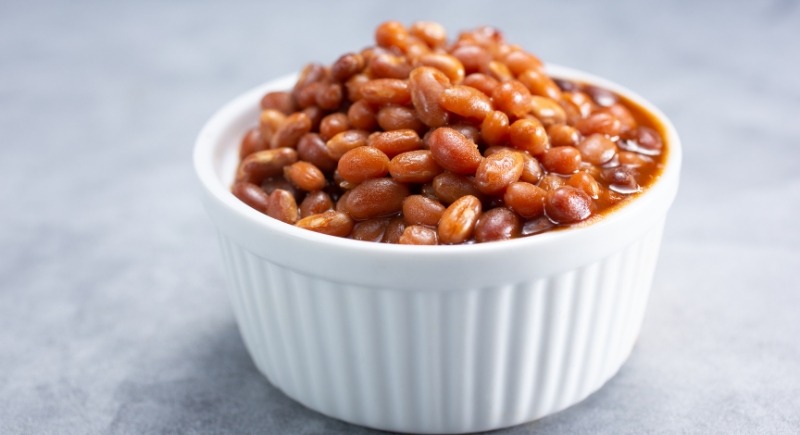
Half a cup of cooked beans provides around 7 grams of fiber. Add chickpeas to pasta, stir lentils into soup, or mash black beans into quesadillas. Beans also feed the good bacteria in your gut, kind of like fertilizer for your microbiome.
Upgrade Your Snacks
Credit: Getty Images
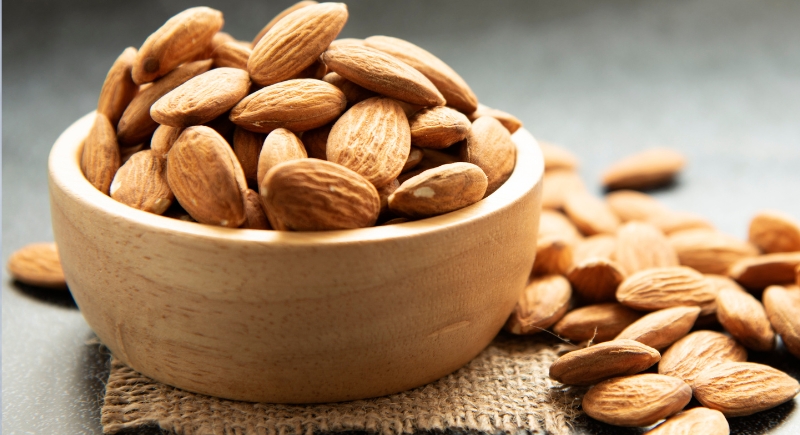
It’s not about snacking less, but snacking smarter. Almonds, air-popped popcorn, or apple slices with peanut butter all deliver fiber without much effort. A small pear has nearly 5 grams, and an ounce of almonds adds 4 more. Even dark chocolate and root veggie chips offer trace amounts.
Use the Label for More Than Calories

Credit: Getty Images
Fiber is hidden in plain sight on packaging. If a food has 3+ grams per 100 grams, it’s a decent source. Six or more is even better. Also, watch for ingredients like psyllium husk or inulin—those functional fibers work behind the scenes to keep things moving smoothly.
Add, Don’t Subtract

Credit: Canva
Instead of cutting things out, focus on piling your meals with fiber-rich additions. Stir flaxseed into oatmeal, throw extra lentils in chili, or layer cabbage into your burrito. Little tweaks stack up fast, and your gut won’t even see it coming.
Don’t Juice the Rainbow

Credit: pexels
That glass of juice might look healthy, but it’s missing the best part. Juicing strips away the fiber and leaves behind mostly sugar. Even homemade smoothies only keep a small amount. A whole orange has over 3 grams of fiber, while a glass of orange juice has virtually none.
Explore Beyond Brown Rice
Credit: Getty Images
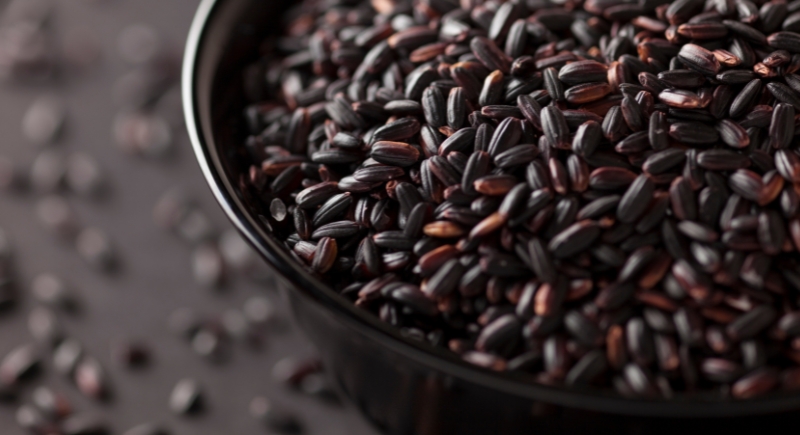
White or brown rice is fine, but it’s not exactly pulling its weight. Try barley, farro, bulgur, or black rice for a fiber upgrade. Legume-based pastas (made from lentils or chickpeas) can deliver three times the fiber of traditional spaghetti, with a bonus hit of protein.
Choose Oats Over Cereal-Coated Puffs
Credit: Canva
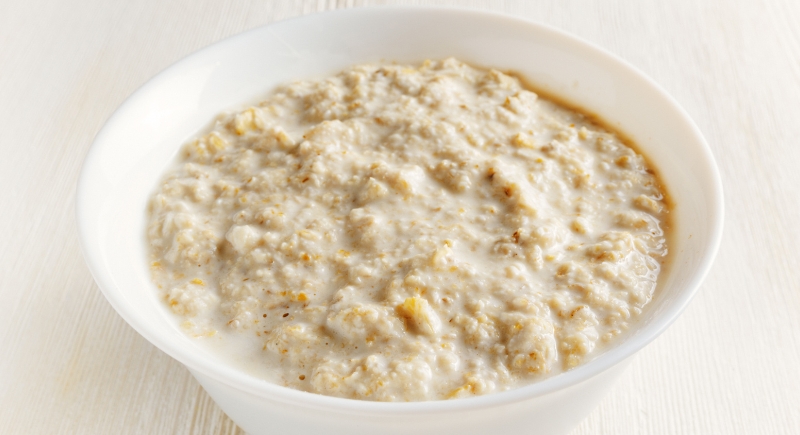
Bran flakes and Weetabix aren’t your only options. Overnight oats, steel-cut oats, and no-added-sugar muesli deliver lasting fiber and can be tailored with fruit, seeds, and nuts. Even mixing your usual cereal half-and-half with something more fibrous is a step in the right direction.
Mix Meat With Plants

Credit: pexels
You don’t need to go vegan overnight to get more fiber. Replace half the meat in tacos, lasagna, or chili with lentils or black beans. Not only does this lower saturated fat, it significantly bumps up fiber and gives your dish a heartier texture.
Start Dinner with a Salad

Credit: Canva
Before your main course, a simple salad can sneak in extra fiber without much effort. One study found that people who ate salad before dinner consumed 23% more vegetables overall. It’s a small change that encourages better habits without feeling like a diet.
Go Half-and-Half With Flour

Credit: pexels
When baking, substitute whole wheat or nut-based flours for part of the all-purpose variety. A 50/50 blend works in muffins, pancakes, and even pizza crusts without changing the texture much. Even coconut flour has 10 grams of fiber per ounce, and almond flour brings protein along for the ride, too.
Rediscover Dried Fruit (In Moderation)
Credit: Getty Images
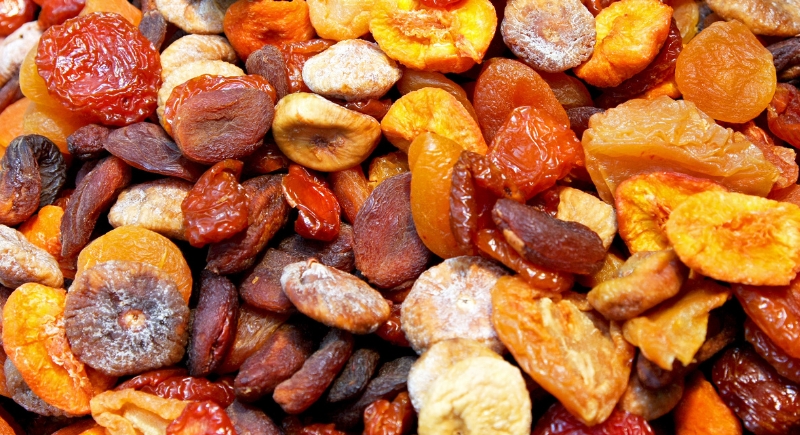
Dried figs, apricots, raisins, and prunes are fiber-rich, portable, and long-lasting. Just a handful can add 3 to 5 grams. That said, they’re also high in natural sugar, so it’s best to eat them as part of meals instead of snacking.
Let Your Spices Do More Than Flavor
Credit: Canva
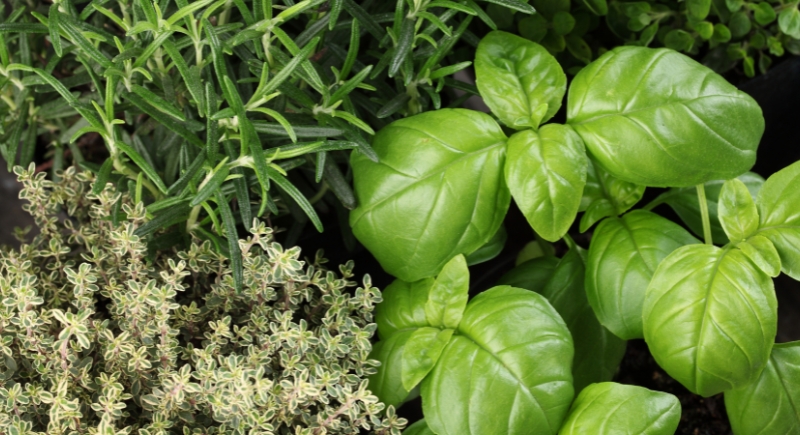
You probably don’t think of herbs and spices as fiber sources, but dried varieties like oregano, thyme, and cinnamon contain proper amounts. Of course, you’re not eating them by the spoonful, but adding generous shakes to roasted vegetables, soups, or oatmeal can give your fiber total a small boost.
Try the Danish Method

Credit: pexels
Denmark made wholegrains a public priority, and it worked. Between 2008 and 2019, national intake jumped 128%. There is no magic product; it’s just a cultural shift. Try considering wholegrains as your base, not the “healthy alternative.”