9 Everyday Objects With Shockingly Weird Origin Stories
Sure, cereal is for breakfast, roller coasters are for thrills, and barcodes make checkouts fast, but those weren’t always their purposes. Plenty of things people use every day started out doing something entirely different. Here’s a look at 15 familiar objects that have outrageously bizarre histories.
Roller Coasters Were Built to Save Your Soul

Credit: Getty Images
The first American roller coaster wasn’t designed for fun. It had a more practical use: it was invented to distract people from sin. In 1884, LaMarcus Adna Thompson created the Switchback Gravity Railway at Coney Island in hopes that the wholesome thrills would lure folks away from saloons and brothels. The ride only hit six miles per hour, but Thompson believed it offered spiritual uplift.
Barcodes Came From a Beach Moment
Credit: Canva
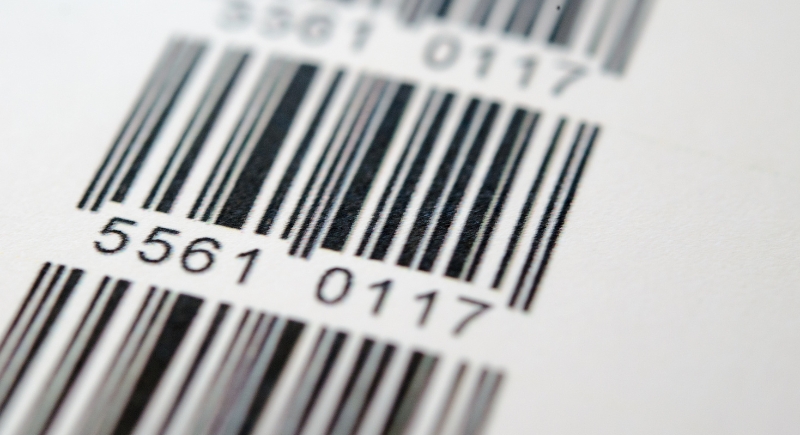
Barcodes trace back to one man’s daydream at the beach. N. Joseph Woodland dragged four fingers through sand, inspired by Morse code from his Boy Scout days. That simple gesture sparked the idea of thick and thin lines storing information. The concept evolved into modern barcodes, which first scanned a pack of Wrigley’s gum in 1974.
The Chainsaw Was Invented for Childbirth
Credit: Canva
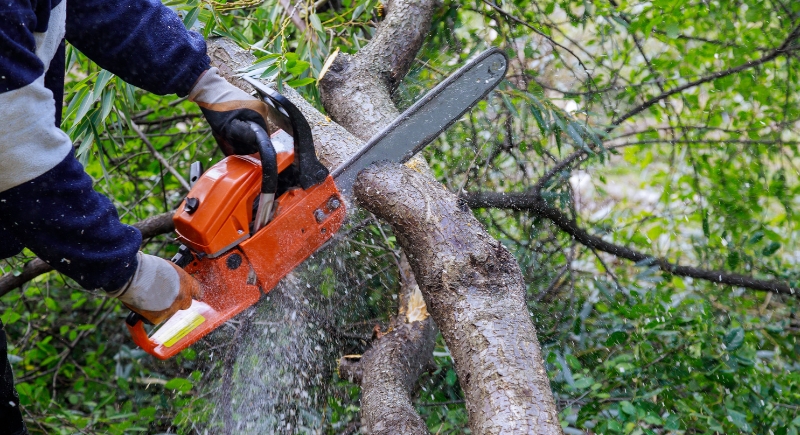
These days, chainsaws are associated with construction. Anyone would be out of their minds to think that this machine began as a surgical tool. But it did! In the 18th century, doctors John Aitken and James Jeffrey used early chainsaws to cut through the pelvic bone during obstructed childbirth. This gruesome contraption, which was designed to save babies when mothers couldn’t survive, eventually evolved into today’s tree-cutting monster.
Vaseline Came From Oil Rigs and Self-Harm Demos
Credit: Getty Images
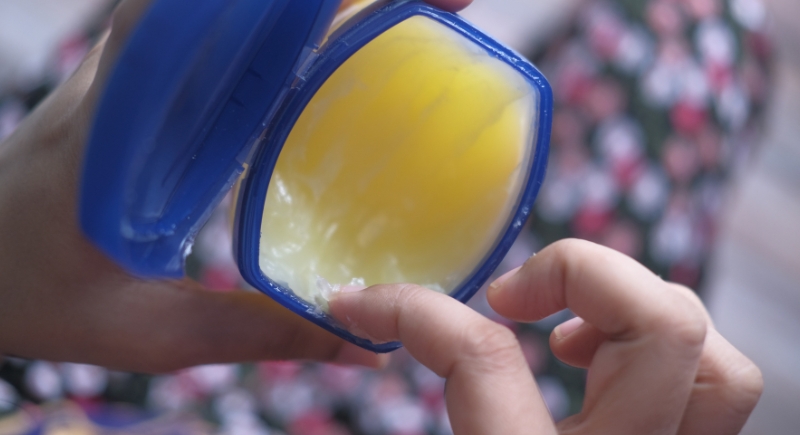
Oil workers used a greasy byproduct called rod wax to soothe burns and cuts. Robert Chesebrough saw its potential and refined it into petroleum jelly. He named it Vaseline and demonstrated its powers by injuring himself and applying the goo. He would then hand out free samples.
Super Glue Came From a Failed Gunsight

Credit: Canva
Dr. Harry Coover was developing plastic for WWII gunsights when he stumbled on cyanoacrylate, which stuck to everything. The military shelved it as too sticky. Years later, he rediscovered it while working on aircraft polymers. It became Super Glue; medics used it to close wounds on the battlefield during the Vietnam War.
The Air Conditioner Was Made for a Printing Press

Credit: Proxima Studio
Before cooling people, air conditioners cooled paper. In 1902, Willis Carrier invented a humidity-control system to stabilize ink and paper at a New York printing company. Once industries saw the perks, the system moved into homes, offices, and skyscrapers. Without it, cities like Houston and Las Vegas wouldn’t be nearly as livable or bearable in summer.
WD-40 Was Made for Missiles

Credit: Wikimedia Commons
In 1953, WD-40 was developed to protect the Atlas missile from rust. After 40 tries, the Rocket Chemical Company found the perfect water-displacing formula—hence the name. Convair workers started swiping cans for home use, which sparked the idea of selling them in stores.
Denim’s Name Literally Means ‘From Nîmes’
Credit: pexels
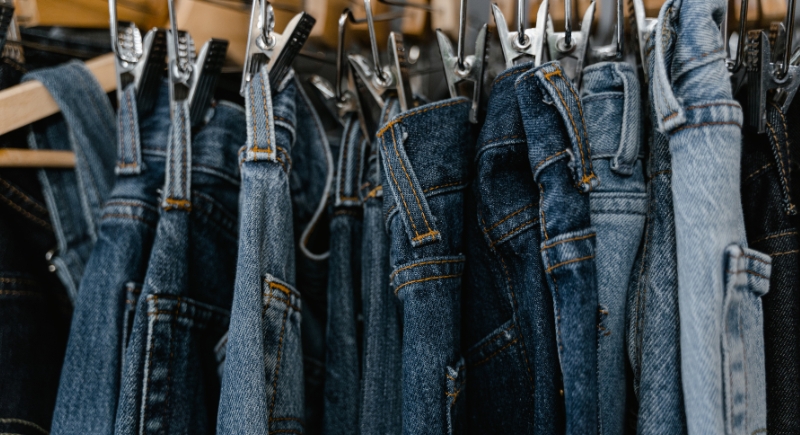
The word “denim” comes from “serge de Nîmes,” a tough cotton fabric woven in 16th-century France. It made its way to the U.S., where Levi Strauss turned it into durable pants for miners. Cowboys later popularized jeans, but their European textile roots remain.
Coffee Was First Eaten, Not Sipped

Credit: pixabay
Centuries before lattes, Ethiopians chewed coffee berries for energy. By the 15th century, Yemenis were brewing roasted beans into a beverage used in religious rituals by Sufi mystics. The port city of Mocha gave its name to the drink, which spread through the Arab world and into Europe.
Treadmills Used to Punish Prisoners
Credit: Getty Images
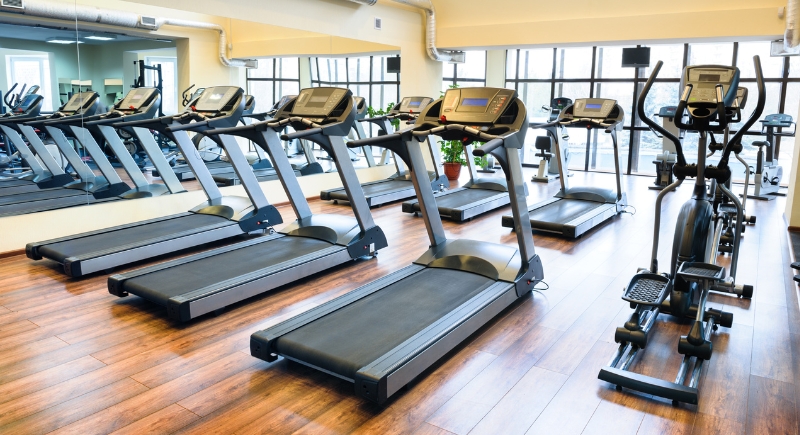
In 1817, engineer William Cubitt invented the penal treadmill as a prison punishment. Inmates walked for hours on rotating wheels that powered nothing, just to exhaust them. Oscar Wilde reportedly suffered on one. The devices were banned in 1898. Today’s gym-goers voluntarily run on updated versions of this torture machine.
Limes Stopped Scurvy Before They Garnished Drinks

Credit: Getty Images
These days, limes have become a staple in bars whenever mojitos are served. But British sailors used to eat them to prevent scurvy, a vitamin C deficiency that plagued long sea voyages. That’s why they were nicknamed “limeys.” Limes had traveled from Southeast Asia through Arab traders and into Europe, then across oceans with explorers.
Saccharin Was Discovered By Accident—and a Dirty Hand
Credit: Getty Images
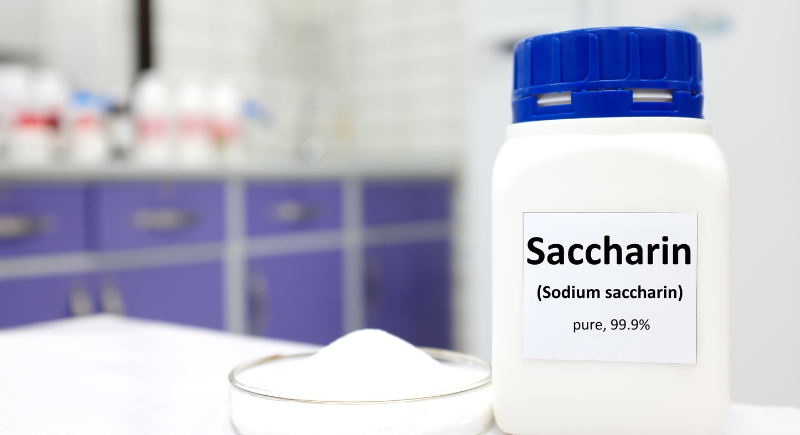
In the 1870s, chemist Constantin Fahlberg forgot to wash his hands after working in a lab. Later, he noticed everything he touched, from his bread to his napkin, tasted sweet. The culprit was benzoic sulfimide, which was later named saccharin. He patented it but left out his lab partner, Ira Remsen, who was expectedly not amused. Thus began the sweet-and-salty history of artificial sweeteners.
The Panama Hat Is Not From Panama
Credit: Getty Images
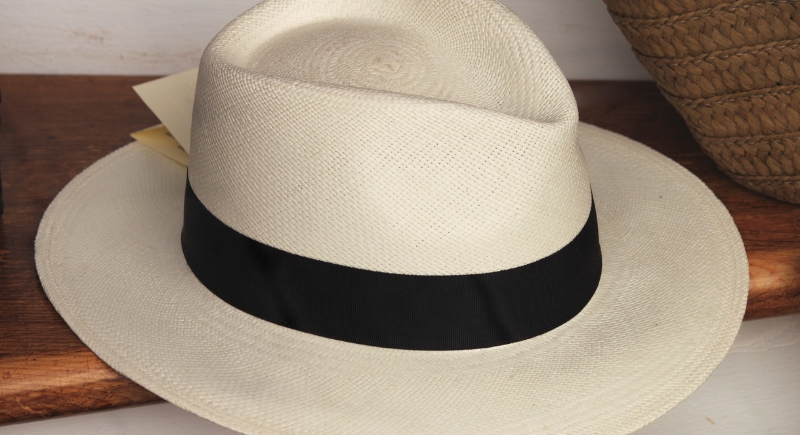
The lightweight, woven Panama hat actually hails from Ecuador. It gained its misleading name because shipments passed through Panama ports on their way to Europe, and U.S. President Theodore Roosevelt wore one while inspecting the Panama Canal.
Kleenex Was Meant for Makeup, Not Sneezes
Credit: Canva
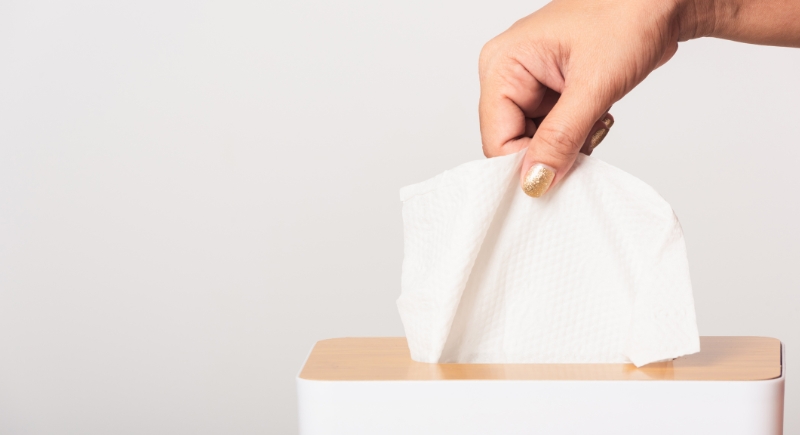
Kleenex didn’t begin life as a tissue for colds. In World War I, Kimberly-Clark developed cellucotton for gas mask filters. After the war, the material was repurposed to remove cold cream. Only later did people realize it worked for nose-blowing. By the 1930s, the company leaned into the new use, and the modern tissue box was born.
High Heels Were Designed for Horseback Warriors
Credit: Canva
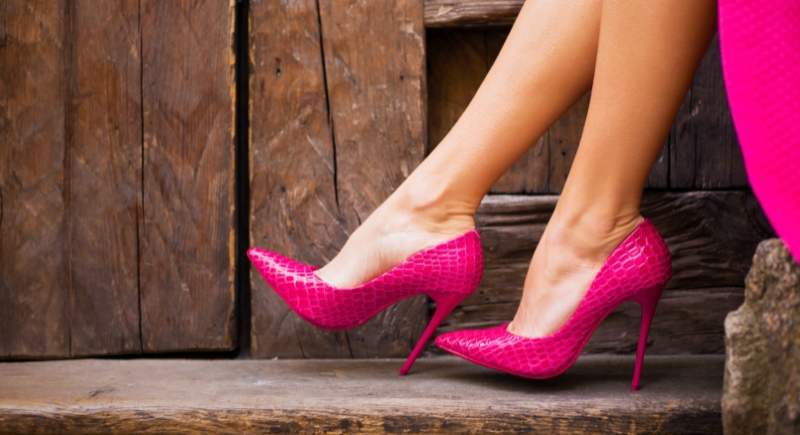
Persian soldiers in the 15th century wore heeled shoes to lock into stirrups while shooting arrows. Although it may have looked uncomfortable, these heels helped stabilize them during battle. When Persian culture hit Europe in the 1600s, aristocratic men adopted the look as a symbol of strength and status. Later, women joined the trend to appear more masculine.