Costco Is Building Apartments Above Stores to Assist With the Housing Crisis
Housing shortages across major United States cities continue to worsen as construction costs rise, available land shrinks, and approval timelines stretch on for years. Local governments and developers are facing increasing pressure to deliver housing more quickly while keeping rents affordable for low- and middle-income households.
In South Los Angeles, a new mixed-use project has introduced a different approach. One national real estate developer plans to place hundreds of apartments directly above a full-size Costco warehouse. The project uses private financing, streamlined state approvals, and a long-term retail lease to support housing construction at a scale rarely seen in similar developments.
A Store With a Second Job
The first project puts apartments directly above a full-size Costco in South Los Angeles. The development includes 800 homes built on top of a 185,000-square-foot store. That makes the retail footprint larger than the chain’s United States average, with two levels of underground parking designed to handle daily traffic.
A total of 184 units are reserved for low-income households, while the rest fall under affordable and workforce categories, with rents tied to income levels rather than luxury pricing. All 800 apartments are situated within walking distance of a major grocery retailer, a rare setup in dense urban areas where land costs typically push big-box stores to the outskirts.
How the Numbers Make Sense
The developer behind the project, Thrive Living, structured the deal so revenue flows in two directions: Costco pays rent for the store below, and that income helps offset construction and operating costs above, thus reducing dependence on public housing subsidies.
The full project carries a huge construction price tag of $425 million and is scheduled for completion in 2027. Officials estimate that the build phase and store opening will create thousands of jobs, including up to 400 permanent roles once the warehouse is operational. Thrive Living has stated that the goal extends far beyond one location, with plans to build thousands of apartments each year if the model proves successful.
Policy That Cleared the Path
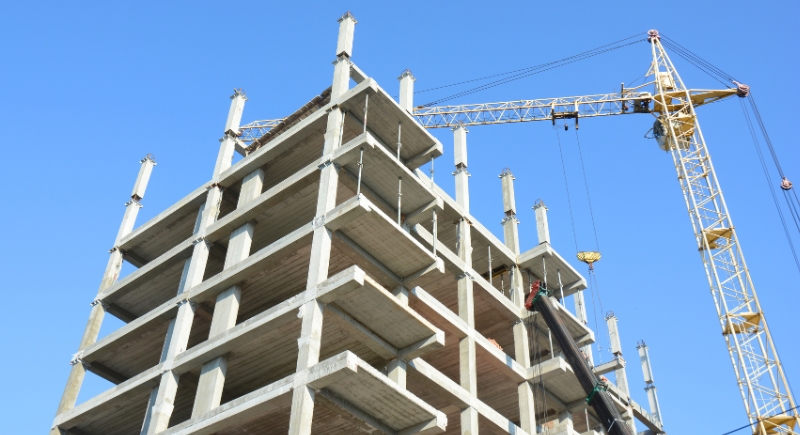
Image via Getty Images/Lex20
The project received approval under California’s Assembly Bill 2011, a law designed to accelerate housing construction on qualifying commercial sites. Projects that meet affordability and labor standards can bypass lengthy discretionary reviews. The streamlined process shaved years off the timeline.
It also sent a message to developers that dense, mixed-use housing with clear community benefits has a faster route to reality. The Baldwin Hills site moved from an underused commercial parcel to an active construction zone in a fraction of the usual time.
Placing housing above a warehouse store keeps the land productive all day, supports local hiring, and anchors affordability with predictable retail income. It also challenges the notion that large-format stores are limited to city edges. Community feedback on the Los Angeles project has been overwhelmingly positive, particularly regarding access to food and employment opportunities.