Coca-Cola Makes Its First Move Into the Boba Market With a New Drink
Coca-Cola is stepping into boba for the first time, and it’s doing it in a way that fits supermarket shelves. In late 2025, the company rolled out a bottled juice drink with fruit-filled pearls, bringing the chewy, pop-in-your-mouth texture of bubble tea into a grab-and-go format. It’s a clear sign that Coca-Cola is paying attention to how much people care about texture when it comes to what they drink.
Coca-Cola Introduces Its First Boba-Style Beverage
In November 2025, Coca-Cola launched a new product under its Cappy label in Turkey. The drink, known as Cappy Bubble, combines fruit juice with small pearls filled with fruit syrup that release their contents when bitten. In other global markets, the same juice portfolio operates under the Minute Maid name.
The product is positioned as a juice rather than a tea-based beverage. Its defining feature is texture: the inclusion of pearls designed to add a tactile element to an otherwise familiar bottled format. This marks the first time Coca-Cola has commercialized boba-style pearls across its portfolio.
Translating Bubble Tea Into a Bottled Format
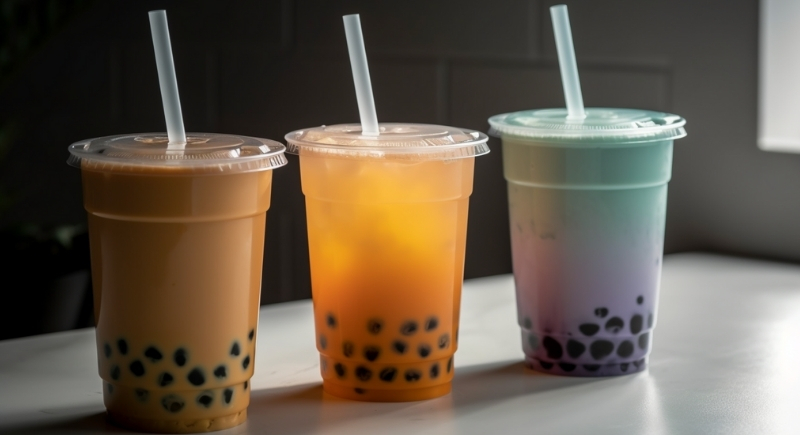
Image via Canva/Giu
Bubble tea originated in Taiwan and has become deeply ingrained in Asian food culture. Over the past decade, its popularity has expanded significantly in Europe and North America, particularly among younger consumers. Much of that growth has been driven by made-to-order drinks served in cafés, where freshness and customization are central to the experience.
Replicating even part of that experience in a shelf-stable product introduces technical constraints. Pearls must endure bottling, transportation, and extended storage without dissolving or breaking prematurely, while still delivering a distinct texture when consumed. Addressing that challenge shaped the development process behind Cappy Bubble.
Coca-Cola’s juice innovation team, based at its research and development hub in Brussels, worked on the product for approximately two years. Their focus centered on material durability, consistency in pearl size, and maintaining a predictable mouthfeel after distribution.
According to company statements, this was the first time boba-style pearls had been engineered for mass production within Coca-Cola’s system.
Why Texture Has Become a Priority in Beverage Development
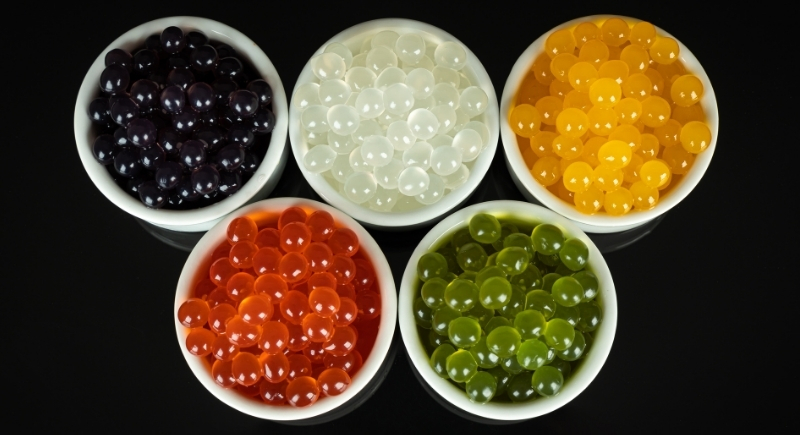
Image via Getty Images/MihailDechev
Consumer expectations around beverages have shifted in recent years. Flavor remains essential, but texture and visual interest increasingly influence purchasing decisions, especially among Gen Z consumers.
Drinks that offer multiple sensory elements tend to perform well on social platforms and in competitive retail environments.
At the same time, major beverage companies continue to diversify away from traditional carbonated soft drinks. Juice has become a focal category for experimentation due to its adaptability and strong global demand.
Market forecasts cited by industry analysts project steady growth for the global juice sector through the end of the decade, reinforcing its appeal as a testing ground for new formats.
By incorporating boba-style pearls into juice, Coca-Cola is aligning with these trends while leveraging its existing production and distribution infrastructure. Although smaller brands have previously released bottled boba drinks, Coca-Cola’s scale enables this format to reach a much wider audience.
A Regional Test With Broader Implications
Cappy Bubble is currently limited to a regional rollout, with Turkey serving as the initial market. The company has not announced plans for immediate expansion, indicating that consumer response will guide future decisions.
Regardless of its geographic scope, the launch represents a meaningful development. Coca-Cola has demonstrated that texture-forward beverages can be adapted for industrial production without compromising stability or consistency. It also signals that the company sees experiential elements—such as mouthfeel—as a core part of future beverage innovation.
Whether Cappy Bubble expands internationally or remains a regional experiment, it establishes a clear precedent.