Climate Scientists Recommend a 90% Reduction in Global Meat Consumption
Climate researchers are increasingly pointing to diet as a practical lever for lowering emissions, and recent studies suggest that cutting global meat consumption by about 90% would make a measurable difference. The figure may sound steep, but it reflects what the data indicate about the impact of current production on land use, water systems, and warming trends.
What the research highlights most clearly is the uneven distribution of meat consumption around the world. A small group of countries consumes far above the global average, and this concentration has an outsized environmental impact.
Meaningful climate progress will depend on dietary shifts in the regions that consume the most meat, rather than minor changes spread evenly across the world.
A Growing Appetite Meets A Shrinking Margin
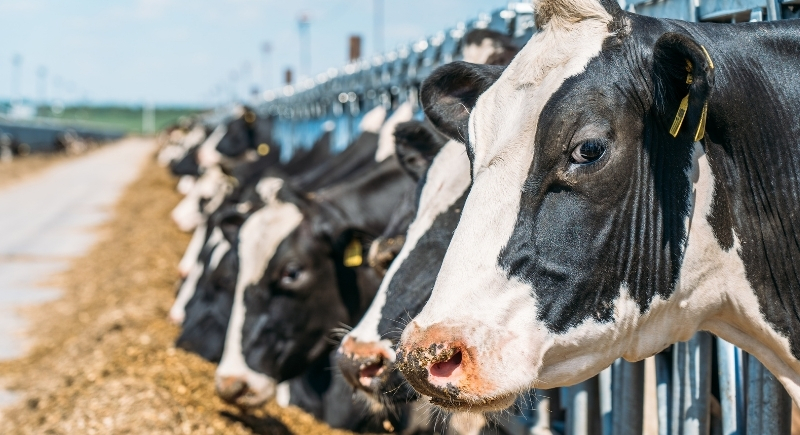
Image via Getty Images/DedMityay
Our yearly meat total sits around 350 million tons. Production doubled between the late 1980s and 2018 and has quadrupled since the 1960s. Projections for 2050 range between 460 and 570 million tons, with the upper estimate reaching twice the 2008 level.
Population growth adds more tension. The world is projected to reach 10 billion people by mid-century, yet livestock systems already occupy a substantial amount of space. Meat and dairy production use 30 percent of Earth’s surface and 80 percent of U.S. agricultural land. Nearly half of the world’s crops are directly fed to animals intended for human consumption.
The resource demand behind beef in particular stands out. Producing one kilogram of water requires approximately 15,500 liters of water. In the United States, roughly half of the nation’s freshwater use supports crops grown for cattle feed. The energy footprint mirrors the water strain, as grain-fed beef requires dozens of calories of fossil fuel to deliver a single calorie of protein.
Such resource needs feed into the emissions data that climate researchers track.
The Methane Question
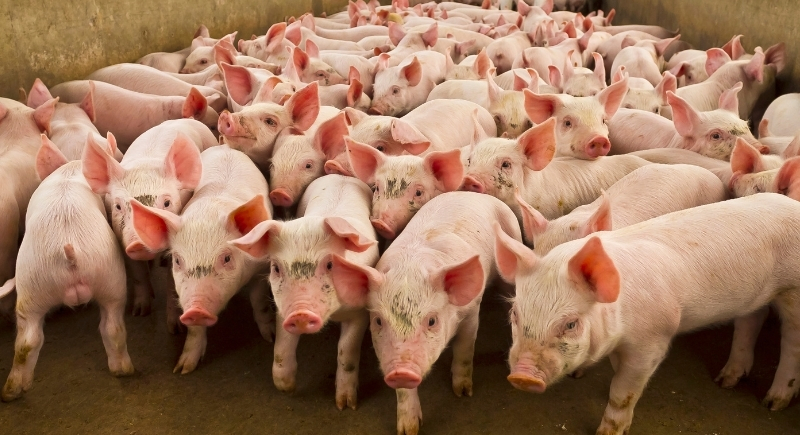
Image via Getty Images/artbyPixel
Livestock farming contributes heavily to global warming through methane emissions and the clearing of forests for grazing and feed crops. Food production accounts for up to 29 percent of global greenhouse gas emissions, with more than half attributed to meat and dairy products. The livestock sector alone accounts for approximately 16.5 percent of total emissions.
By 2050, food-related emissions could reach 11.4 gigatons of carbon dioxide equivalent, with nearly two-thirds of that coming from meat. Researchers warn that livestock production needs to reach its peak by 2030 for the climate to stay within safer limits, yet current trends indicate continued growth.
The Wealthy Diet Problem
Meat consumption varies widely across regions. In the United States, the average annual intake is approximately 124 kilograms of meat per person. Australia follows close behind at 122 kilos. Several African countries consume under 20 kilos. These gaps explain why Western nations sit at the center of the reduction targets.
Studies published by Oxford researchers show that beef consumption in Western countries needs to fall by around 90 percent. Without a steep drop, the environmental impact of food systems could rise by up to 90 percent by mid-century.
A separate analysis by teams at the University of Michigan and Tulane University explored U.S. dietary changes through 2030. Cutting beef intake by 90 percent and replacing half of other animal-based foods with plant-based options would prevent more than 2 billion tons of emissions. The scale of that reduction is equivalent to removing nearly half of all cars worldwide for a full year.
The Food Security Puzzle

Image via Getty Images/JackF
The relationship between diet and global capacity becomes clearer when looking at land use and crop efficiency. If the entire world adopted the average American diet, food systems could support only about 2.5 billion people. A hectare of cropland used for rice or potatoes can feed approximately 19 to 22 people per year. That same area is used for feeding beef or lamb, typically one or two.
Cropland per person is shrinking as the population rises. Nearly 60 percent of biodiversity loss ties back to meat-heavy diets. Food waste compounds the pressure. Cutting global waste in half would reduce environmental impacts by around 16 percent.
What A Shift Could Look Like
The call for a major reduction doesn’t imply identical plates worldwide. It reflects a mix of dietary adjustments, improvements in farming efficiency, and expanded protein options. Government programs and institutional purchasing help shape food culture. Policy decisions influence availability, education, and long-term habits. Individuals also contribute through the gradual shifts they choose.
The main thread running through the research is that countries with the highest consumption patterns hold significant influence over land, water, and emissions outcomes. Cutting meat intake, especially beef, is one of the fastest paths to easing the strain.