Chefs Aren’t Gross: Here’s Why They Don’t Bother With Gloves
Watching a chef delicately plate food with bare hands sparks an uneasy feeling for some people. Shouldn’t gloves be the standard in every kitchen? Well, the truth is far less alarming than it looks. Food safety, precision, and real cleanliness don’t always come from latex or nitrile. Instead, much of it comes down to proper training, hygiene practices, and a little trust in the professionals preparing the meal. Here’s why chefs confidently go gloveless and why you don’t need to panic about it.
Bare Hands Aren’t Always Dirtier
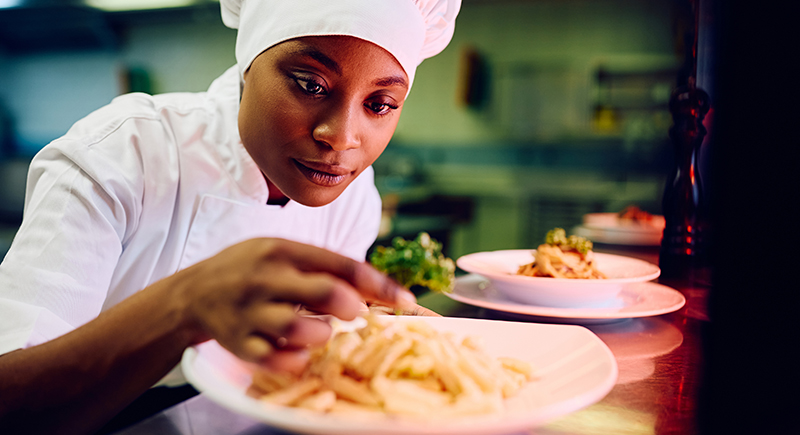
Image via iStockphoto/Drazen Zigic
Gloves might appear cleaner, but studies suggest they aren’t automatically safer. A National Library of Medicine study found that 9.6% of tortillas handled with gloved hands contained coliform bacteria, compared to 4.4% from ungloved hands, though the difference was not statistically significant.
Researchers noted that gloves can sometimes encourage carelessness, since workers may wash their hands less often when wearing them, even after switching between raw meat and ready-to-eat foods. In contrast, bare hands, when paired with thorough scrubbing for at least 20 seconds with soap, reduce the risk of cross-contamination.
Gloves also limit tactile feedback, which makes tasks like handling delicate fish or kneading dough more difficult and even riskier if someone accidentally cuts themselves. The takeaway is that neither gloves nor hands are inherently safer, but proper hygiene and consistent handwashing make the real difference.
Rules Depend On The Kitchen
Not all restaurants operate under the same guidelines. In many U.S. jurisdictions, chefs aren’t legally required to wear gloves unless they’re handling raw proteins or certain ready-to-eat foods. Health departments focus more on proper sanitation practices than on forcing gloves on every task.
New York City, for example, enforces glove rules for food that won’t be cooked before serving, but even then, inspectors recognize that the bigger threat comes from poor handwashing habits. That’s why consistent training, strict handwashing schedules, and clear sanitation protocols matter more than slipping on a pair of gloves.
Clean Kitchens Trump Plastic Barriers
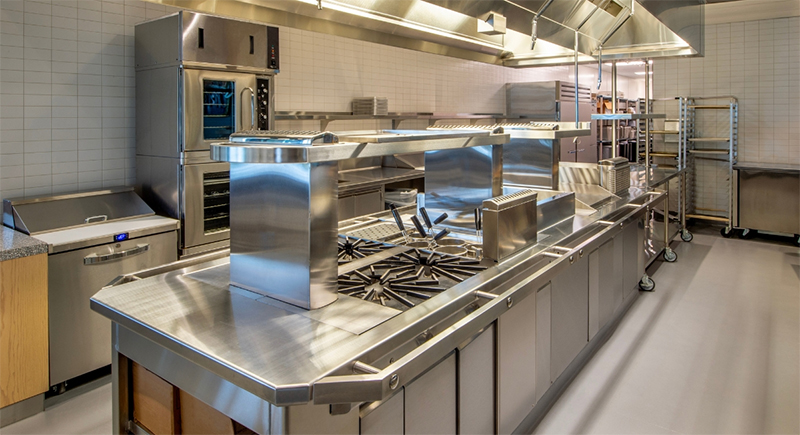
Image via Getty Images/alacatr
Handwashing before and after every task, sanitizing surfaces, and using tools like tongs or piping bags are the true frontline defenses against contamination. Staff staying home when sick, cleaning workstations properly, and minimizing direct hand contact with ready-to-eat foods all matter more than gloves. Even sushi chefs, who constantly handle raw fish, rely on impeccable cleanliness and technique rather than rubber barriers.