Best Ways to Store and Preserve Old Recipes
Handwritten recipe cards often contain shorthand measurements, faded ink, and personal notes that exist nowhere else. Many are stored in drawers, boxes, or old binders, where repeated handling gradually wears them down. Over time, paper deteriorates, ink fades, and exposure to spills or heat in the kitchen accelerates the damage.
Because these recipes often carry personal or family history, preserving them is about protecting something that cannot be replaced. Below are several practical ways to help extend the life of your handwritten recipes.
Capture The Recipe Before It’s Lost
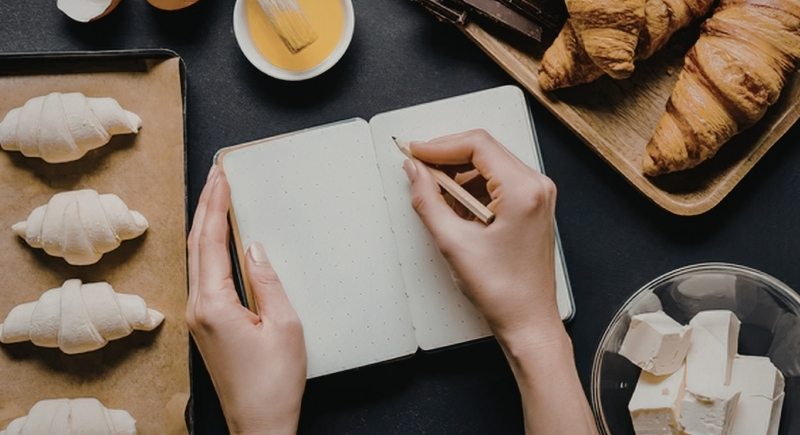
Image via Canva/Steliana Ardelean’s Images
A surprising number of family recipes were never written clearly in the first place. Many rely on memory, habit, or vague instructions like “a little of this,” and that creates a real risk of losing the recipe entirely.
Start by documenting the process while it still exists. Record videos during cooking sessions, take step-by-step photos, and write down exact measurements as they happen. Ask direct questions while the dish is being made, rather than relying on recall later. Adding context is just as important as the ingredients. Include who created the recipe, when it’s usually served, and any variations that have developed over time.
Protect The Original Paper
Image via Canva/Pop Andreea’s Images
Old recipe cards often go through spills, wear, and excessive handling. Over time, that leads to yellowing, tearing, and fading ink. Proper storage slows that process and keeps the original usable. Archival materials make a noticeable difference. Acid-free boxes, protective sleeves, and polypropylene pages help prevent further damage. These materials shield paper from light, air, and everyday wear in the kitchen. For recipes written on fragile scraps like napkins or envelopes, placing them in protective pockets keeps them intact without constant handling.
Keep Recipes Organized And Accessible
A storage system only works if it makes recipes easy to find and use. Scattered cards tend to get lost or forgotten, which defeats the purpose of preserving them. Binders with clear page protectors offer one of the most practical solutions. They keep recipes visible, protected, and grouped in one place. Dividers can separate categories like desserts, holiday dishes, or everyday meals.
Photo albums also work well, especially since most recipe cards are standard 4×6. Clear sleeves protect both sides of the card and prevent damage from grease or water. For a simpler option, grouping cards on a metal ring keeps everything together. This method works best for newer, sturdier cards that can handle a small hole punch.
Create Digital Backups For Everyday Use
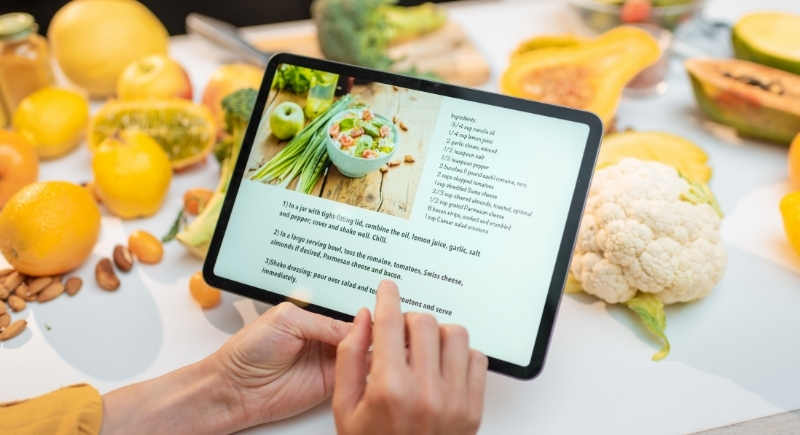
Image via Canva/RossHelen
Physical copies carry sentimental value, but they are not the most practical option for daily cooking. Digitizing recipes solves that problem while also creating a backup. Scanning cards produces clean, readable copies that can be stored on a computer, tablet, or phone. If a scanner is not available, a smartphone camera works just as well.
You can use a dark background in photos to improve contrast and readability. Digital files also offer additional sorting options; recipes can be sorted by category, cuisine, or occasion. Adding photos of the finished dish alongside the recipe builds a more complete record.
Preserving a recipe does not always mean keeping it tucked away. Some of the most meaningful approaches bring it into everyday life. Framing a handwritten card protects it behind glass while keeping it visible in the kitchen. Printing recipes on items like tea towels or cutting boards lets them be used and displayed at the same time.