Banana Peel Facial? Everything You Need to Know About the Weird Beauty Trend
TikTok has turned plenty of kitchen staples into DIY beauty hacks, but one of the quirkiest is the banana peel facial. Influencers like Ashton Hall have gone viral for rubbing the inside of a peel across their cheeks, claiming it’s “nature’s Botox.” Dermatologists, however, have mixed feelings—some say it’s harmless fun, others point out the lack of evidence. Here are 15 things to know before joining the peel party.
The Viral Spark

Credit: Instagram
The trend exploded after influencer Ashton Hall shared his early-morning routine, which included pressing a leftover banana peel to his face. With millions of views, his unconventional step caught the internet’s attention and quickly became a talking point across TikTok. Viewers were divided; some rushed to try it, while others filled comment sections with banana jokes.
Nature’s Botox… Sort Of

Credit: Canva
Fans of the trend say banana peels help reduce wrinkles, dubbing them “nature’s Botox.” The peel contains vitamin C, vitamin A, and antioxidants, which, in theory, can support skin health. However, unlike Botox, which is injected to relax facial muscles, bananas can’t physically smooth wrinkles. Experts point out that the peel’s nutrients don’t absorb deeply enough to mimic the effects of medical treatments. Still, it’s a gentler option for those avoiding needles.
Pantry-Ready Skincare
Credit: Getty Images
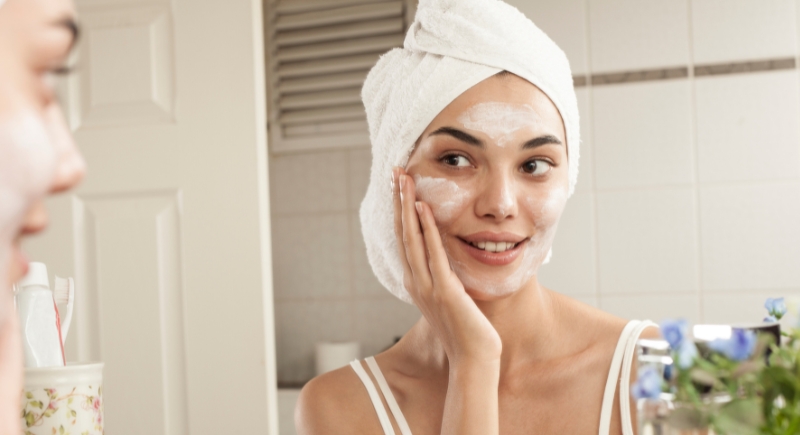
Banana peels fit right into the rise of “edible skincare,” where common groceries double as beauty aids. Just like avocado masks or apple cider vinegar toners, this trend appeals to those seeking budget-friendly options. The peel’s appeal lies in its accessibility. Still, dermatologists remind people that while it’s affordable, the benefits remain minimal without the targeted formulas found in store-bought skincare products.
A Dose Of Lutein
Credit: iStockphoto
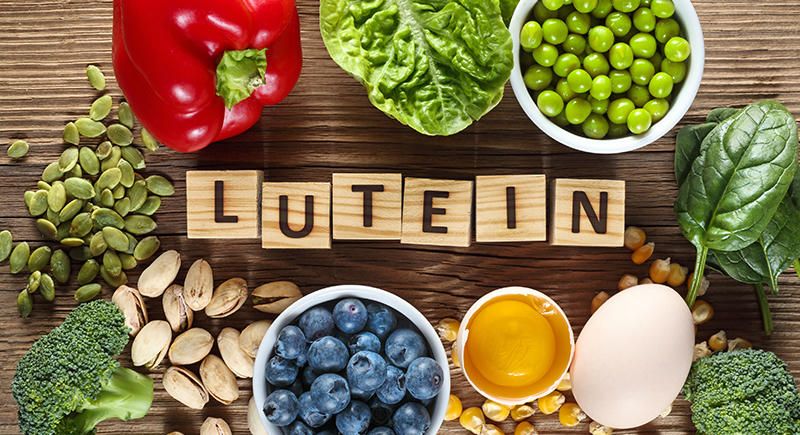
Beauty influencer @byzareefa highlighted lutein as one of the peel’s star nutrients. Lutein is a carotenoid antioxidant that may help protect skin from oxidative stress. In skincare terms, that could mean less hyperpigmentation over time. While lutein is more often praised for supporting eye health, its presence in bananas adds to the peel’s wellness reputation.
Brightening Claims
Credit: Canva
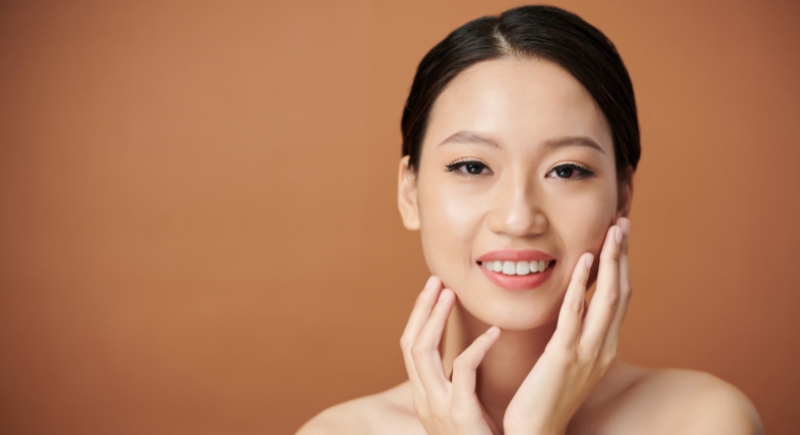
One reason people rub banana peels on their faces is the belief that it brightens skin tone. Vitamin C, found naturally in the peel, is known for its ability to interfere with abnormal pigmentation. Board-certified dermatologist Joshua Zeichner explains that antioxidants can help protect against free radical damage and even skin tone—but stresses that peels lack the concentration and delivery system needed for real, long-lasting results.
Hydration Boost—Maybe
Credit: Canva
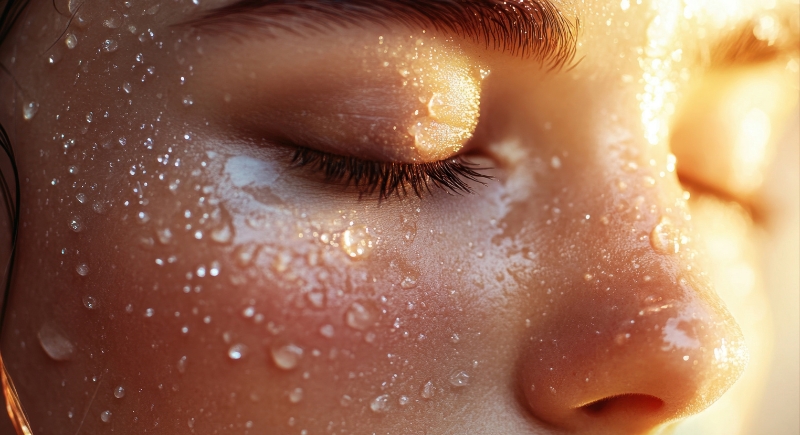
Some users report softer skin after a peel session. Potassium, a mineral abundant in bananas, may help skin retain moisture. Combined with the peel’s natural oils, it can temporarily make skin feel smoother. The effect is more of a surface-level refresh than deep hydration. Those looking for lasting results may still want to rely on moisturizers designed to lock in water and strengthen the skin barrier.
No Scientific Backing

Credit: Canva
Dermatologists are clear: there’s no clinical evidence that banana peels can match the results of Botox or high-grade skincare products. While the peel’s nutrient list looks impressive, the delivery method matters. Vitamin C serums, for example, are formulated to penetrate the skin barrier, something a raw peel simply can’t do effectively. Experts suggest treating the trend as a novelty rather than a skincare solution.
The Pesticide Problem

Credit: Canva
Kiran Mian, MD, warns that banana peels can carry pesticides or microbes, especially if they haven’t been washed thoroughly. Applying them directly to the skin could cause irritation, rashes, or breakouts. If someone insists on trying the trend, using organic bananas and rinsing the peel beforehand is a safer route.
Potential For Irritation
Credit: Getty Images
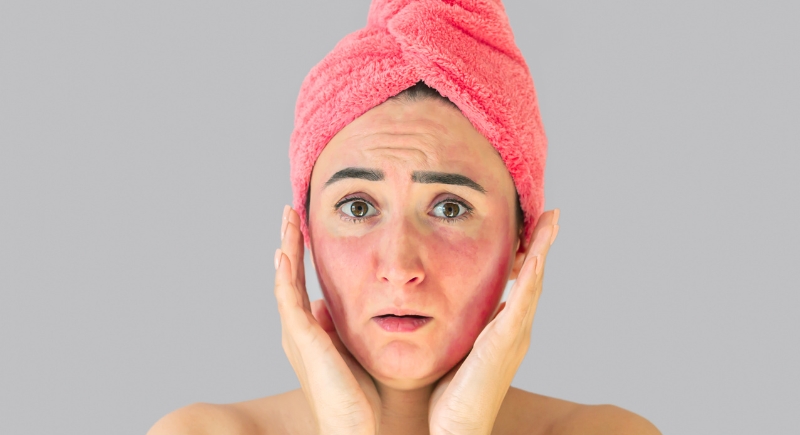
Banana peels may feel smooth, but their fibrous texture can become abrasive with rubbing. People with eczema, rosacea, or other skin sensitivities risk worsening their condition. Dermatologist Zakia Rahman notes that the peel’s natural compounds can irritate compromised skin barriers. It’s another reason experts recommend patch-testing on a small area before pressing a banana peel across the face.
Waste-Not Appeal
Credit: Canva
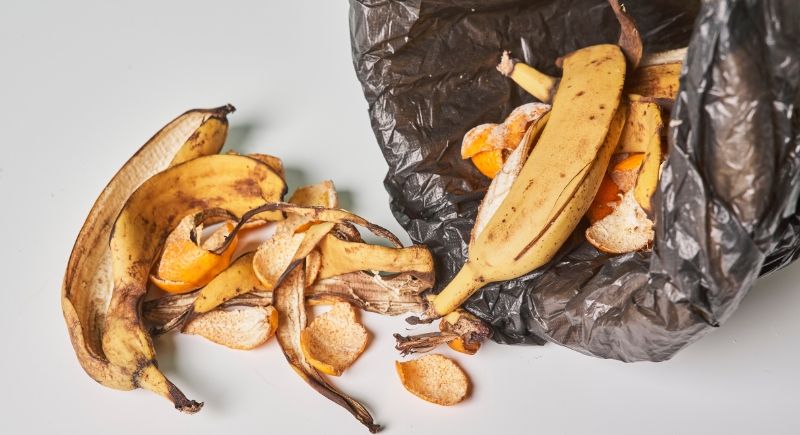
Some fans appreciate that this trend reduces waste. Bananas are one of the world’s most consumed fruits, and peels often go straight to the trash. Using them in skincare offers an eco-friendly twist—at least in theory. Experts like Rahman acknowledge the sustainability angle but caution that health and hygiene should come first, especially when reusing food scraps on delicate facial skin.
Freshness Matters
Credit: Canva
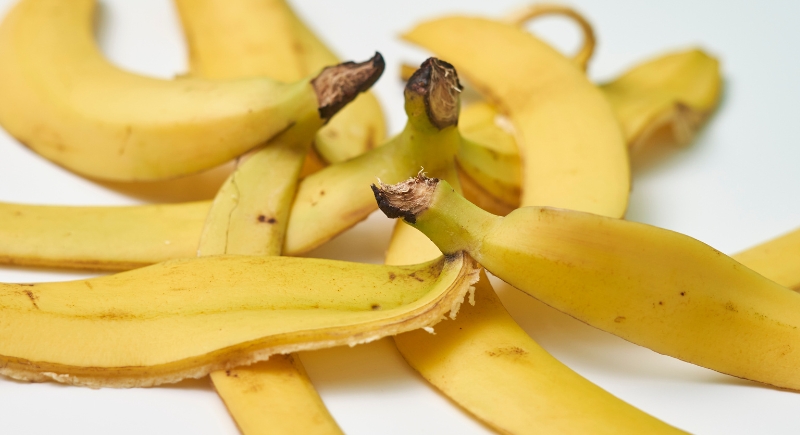
Dermatologists agree on one key detail: if someone is going to use a banana peel, it must be fresh. Once a peel sits out, it starts to degrade, attracting fruit fly larvae and bacteria. It is recommended to apply it immediately after eating the banana and discarding any leftovers. Waiting too long could turn a harmless beauty experiment into an unpleasant and unhygienic experience.
Acne Claims Are Mixed
Credit: Canva
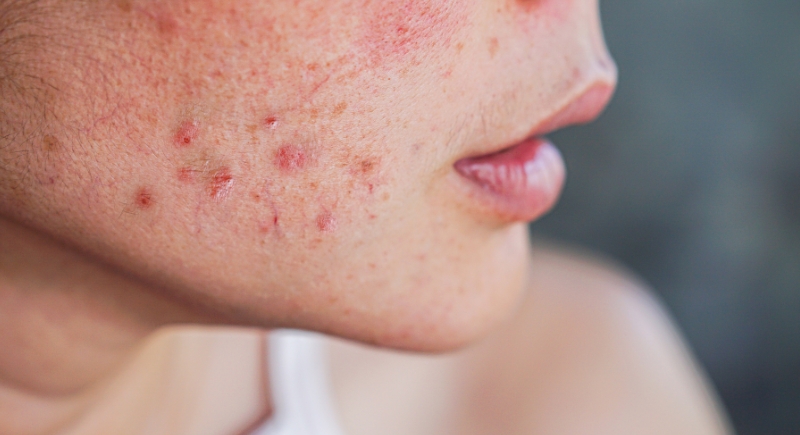
Some trend supporters say banana peels help calm acne due to their anti-inflammatory properties. Lutein and vitamin E, both present in the peel, can soothe irritation in theory. However, experts stress that acne treatment requires more targeted ingredients like salicylic acid or benzoyl peroxide. At best, the peel might offer a mild calming effect, but it’s unlikely to clear breakouts on its own.
A Feel-Good Factor
Credit: Getty Images
Even without scientific proof, rubbing a banana peel on the face can feel relaxing. The cool, moist surface may provide a brief soothing sensation, similar to a chilled face mask. For some, the ritual itself, like any self-care moment, offers mental benefits. Experts agree there’s no harm in enjoying the tactile experience, as long as expectations stay realistic and skin isn’t prone to irritation.
Safer Alternatives Exist
Credit: Canva
For those chasing the peel’s promised benefits, skincare aisles are full of safer, proven options. Vitamin C serums, moisturizers with potassium-rich ingredients, and antioxidant creams are all formulated for better absorption. As Zeichner points out, these products are tested for stability, safety, and effectiveness—something raw fruit can’t guarantee.
Expert Verdict
Credit: Getty Images
The consensus among dermatologists is simple: the banana peel trend is more fun than functional. It’s unlikely to cause harm for most people, but it won’t replace clinically tested skincare. Those curious can try it for the novelty, but expecting major results will lead to disappointment.