A Look Back at the Most Disastrous Menu Change in Burger King History
In 2013, Burger King made a bold bet that still shadows the brand’s history. It tried to reinvent the one thing fast food diners consider untouchable: the French fry.
At the time, the chain wanted to appeal to guests who were paying closer attention to calories, ingredients, and health trends. The pitch involved offering fries with fewer calories and less fat, while maintaining the recognizable fry shape.
Instead, Burger King found itself at the center of one of the biggest menu miscalculations in fast food. The new product, Satisfries, promised a lighter bite and a lower-calorie option, and the chain was confident enough to position them directly against McDonald’s. The launch was huge, the campaign was loud, and the failure arrived with remarkable speed.
A Healthier Fry No One Asked For
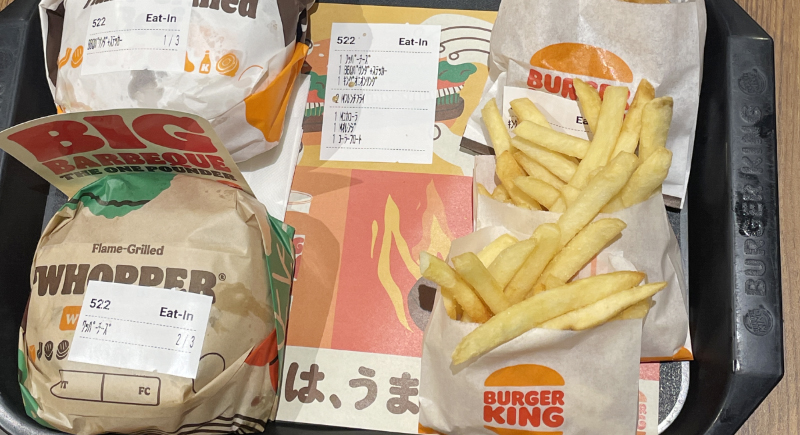
Image via Wikimedia Commons/ウィ貴公子
Satisfries looked familiar on the outside but behaved differently once you bit into them. Burger King used a special batter that absorbed less oil, which cut fat by about 40 percent and lowered calories by roughly 30 percent compared to leading fast food fries.
A small serving came in at about 270 calories and 11 grams of fat. The chain’s regular fries were approximately 340 calories and 15 grams of fat.
Math aside, the fries had a bigger problem with flavor. The less porous coating kept oil out, but it also kept that signature fry taste from forming. Customers described them as bland, dense, or simply not worth the extra thirty cents compared to the regular version.
At the time, a small Satisfries cost about $1.89, while standard fries sat around $1.59. Fast food customers may love a novelty, but paying more for something that tastes less satisfying is an uphill climb.
The Market Was Moving, Just Not Toward This
The early 2010s were marked by numerous attempts to make fast food appear cleaner, lighter, and fresher. Burger King leaned into the trend with salads, grilled items, and then Satisfries.
People go to fast food restaurants for many things, but healthier fries rarely top the list. Guests will choose lower-calorie entrees, but fries carry a nostalgia and comfort that doesn’t mix well with compromise. There was also a broader shift happening.
Americans were cutting back on potatoes as part of a wider carb-conscious mindset. The Wall Street Journal reported that potato consumption had dropped about 25 percent since the mid-1990s.
Launching a fry that leaned into a health message during a period of carb caution didn’t create momentum.
Franchisees Weighed In, and the Numbers Spoke
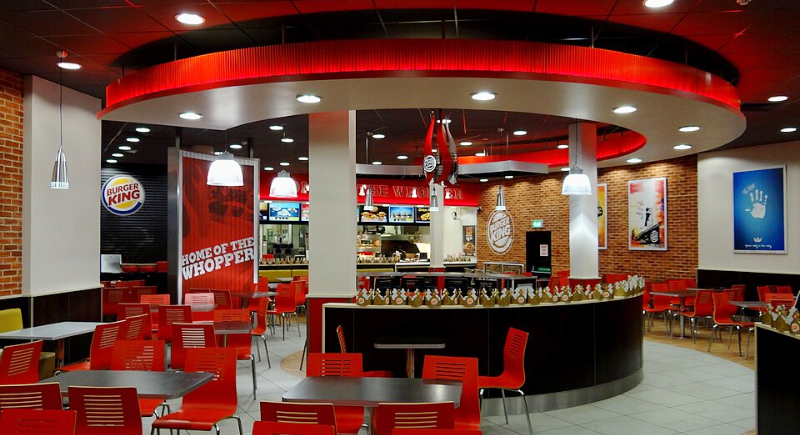
Image via Wikimedia Commons/Bjørn Christian Tørrissen
Within a year of the release, Burger King gave its 7,500 locations across North America the option to drop Satisfries. About 2,500 chose to keep them for a short while as a limited-time offering.
The rest did not hesitate to move on. Franchise operators had a straightforward view of the situation: it was too expensive, too niche, and not tasty enough.
By late 2014, the item had all but disappeared.
The Aftermath and What Came Next
The good news for Burger King is that one bad idea doesn’t define a brand. While Satisfries faded out, other items gained traction. Chicken Fries, for example, returned due to strong customer demand and brought a much-needed win to the menu board. Limited-time offerings and snackable items helped keep the brand relevant even as Satisfries became a punchline.
Looking back, Satisfries sit in the same category as New Coke or McDonald’s Mighty Wings—an earnest attempt that hit the market at the wrong time and place.