A Dietitian Ate a Protein Bar Every Day and the Results Were Shocking
Eating a protein bar every day is already part of the routine for many people. It fills gaps created by long meetings, packed schedules, or missed meals. When a registered dietitian deliberately added one protein bar daily for a full week and tracked the effects, the outcome showed how small, consistent nutrition choices can shape energy, appetite, and daily rhythm.
How The Daily Protein Bar Fits Into The Diet

Image via Canva/Rido
The protein bar was eaten once a day, most often in the early afternoon. This timing mattered. Midday hunger and energy dips are common, especially when lunch gets delayed or shortened. The bar was added without skipping meals or changing overall food intake.
The dietitian chose one with straightforward ingredients, moderate calories, no added sugars, and a mix of protein and fiber. Each provided about 200 calories, roughly 12 grams of protein, and around 5 grams of fiber. That balance helped shape the results, since research shows protein bars vary widely in nutritional value depending on formulation.
By the middle of the week, afternoon energy felt steadier. Focus lasted longer, and the usual reach for coffee became less frequent. Instead of a brief lift followed by sluggishness, energy was held through the later part of the day.
This aligns with established nutrition science. Protein slows digestion, fiber tempers how quickly carbohydrates enter the bloodstream, and together they help maintain stable energy compared with snacks made mostly of refined carbs.
The Observed Patterns
Hunger cues also changed in a noticeable way. Afternoon cravings eased, and the urge to snack late in the evening declined. Dinner felt more satisfying, and portion sizes naturally leveled out.
Protein influences hormones related to fullness, while fiber increases satiety by slowing down digestion. This combination helps prevent the sharp hunger swings that often lead to overeating later in the day.
The bar contained natural sugars from ingredients such as dates. Throughout the week, energy remained consistent without sudden drops. This reflects what research shows about pairing carbohydrates with protein and fiber, which slows absorption and supports a more stable blood sugar response.
Digestive comfort remained good during the experiment, but individual tolerance still varies by formulation. Bars made with sugar alcohols or large amounts of certain prebiotic fibers often cause bloating for some people. Choosing a bar aligned with personal digestion made a difference.
Muscle tone and weight did not change over the short timeframe, but that result was expected. Muscle maintenance and growth require sustained resistance training and consistent protein intake over longer periods.
What did change was awareness of protein intake timing. For adults, especially women over 40, spreading protein intake throughout the day supports muscle health over time. A daily protein bar can help fill gaps when meals fall short.
Rethinking Ultra-Processed Foods
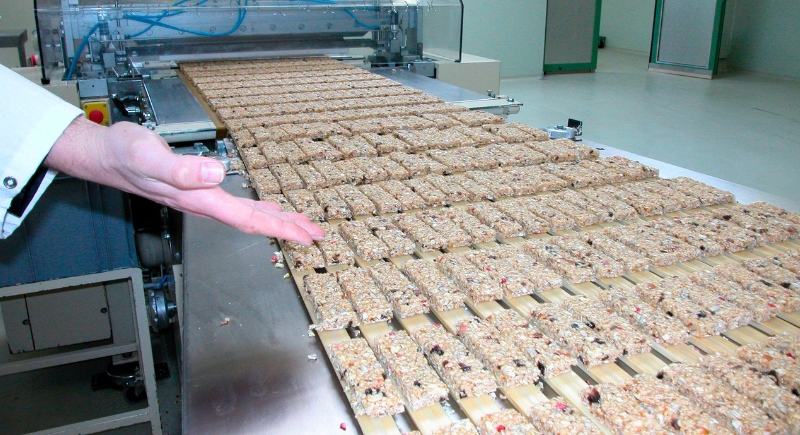
Image via iStockphoto/Elmar Gubisch
Protein bars are often grouped under ultra-processed foods. This experiment showed that nutritional impact depends more on ingredient quality and nutrient balance than labels alone.
Bars designed with protein, fiber, and minimal added sugars function differently from heavily sweetened snack bars. Current research increasingly focuses on overall eating patterns and food quality rather than single categories.
Who May Benefit Most
A daily protein bar appears most helpful for people who:
• Regularly miss meals due to work or caregiving
• Struggle with afternoon energy dips
• Need portable, predictable nutrition
• Have higher protein needs tied to age or activity